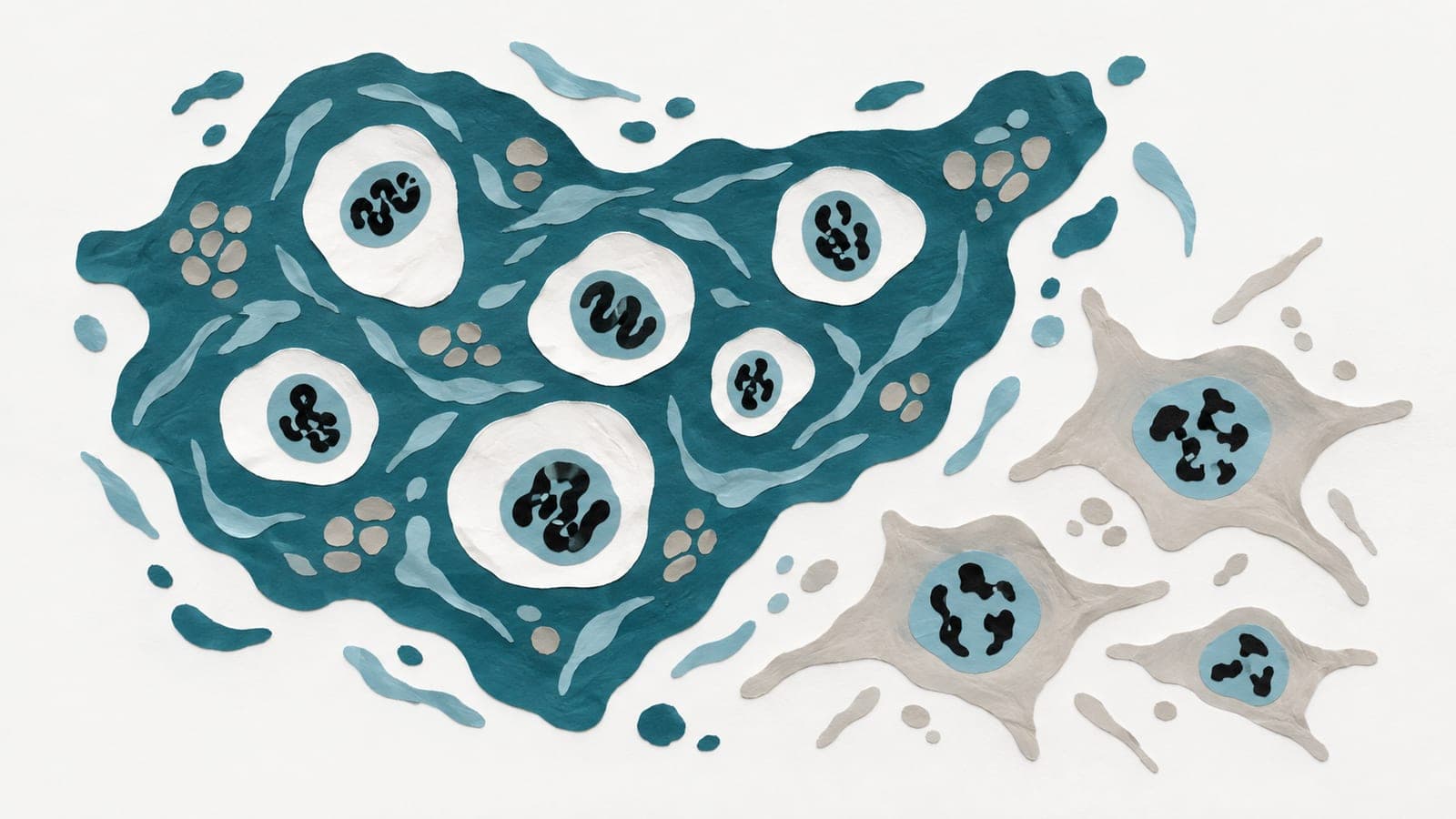
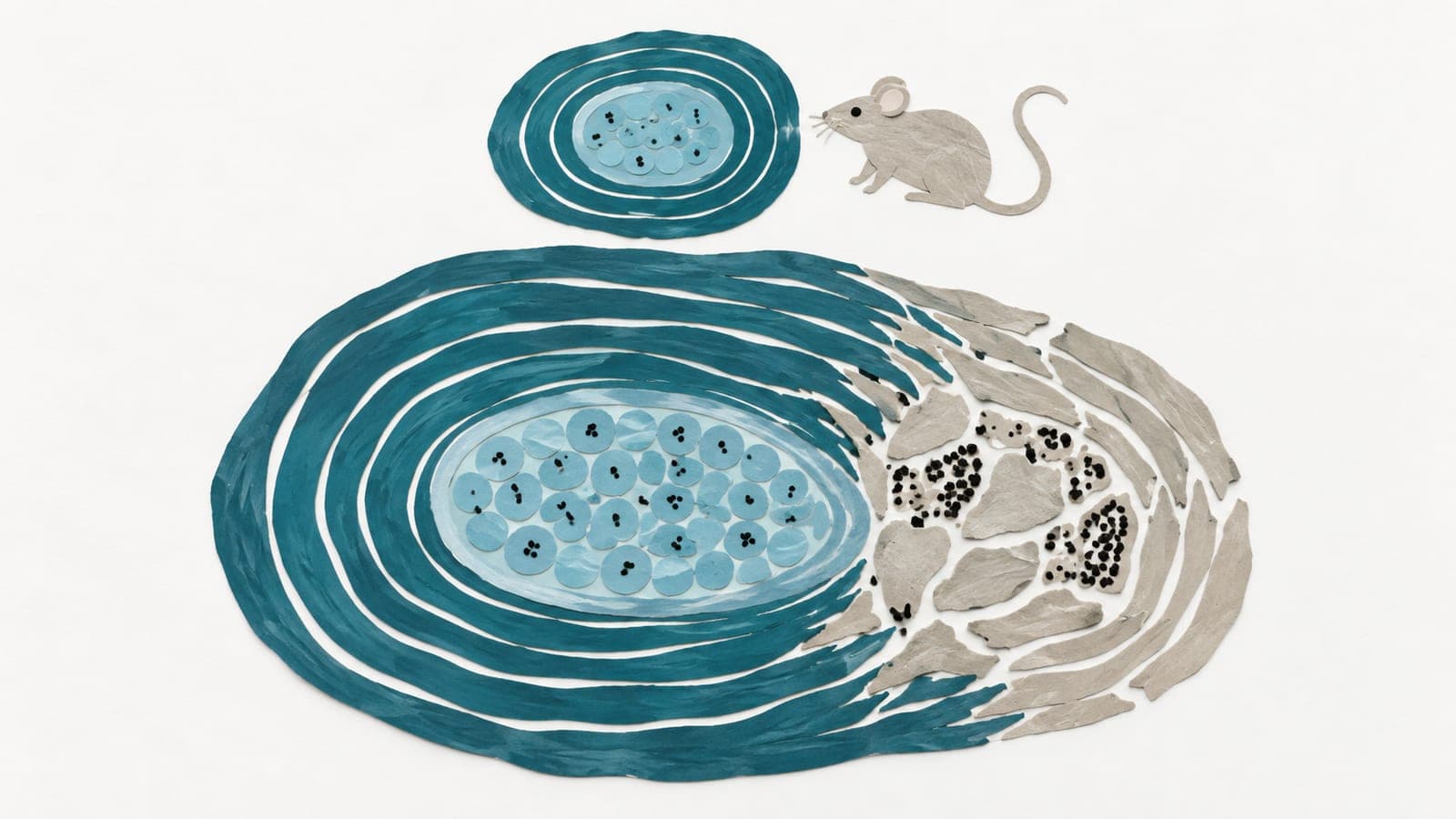
GATA4 promotes the senescence of nucleus pulposus cells via NF-κB pathway
Abstract
PURPOSE: Cell senescence plays a vital role in intervertebral disc degeneration. The regulatory mechanism of the cellular senescence of nucleus pulposus cells has not been fully elucidated. A recent study identified GATA4 as an emerging regulator of IMR90 cellular senescence. However, whether GATA4 controls senescence in nucleus pulposus cells still needs to be explored. METHODS: Nucleus pulposus cells were exposed to acidified medium mimic the acid environment of intervertebral disc degeneration. RESULTS: We found that GATA4 protein expression was significantly upregulated in older rats and nucleus pulposus cells undergoing stress-induced aging. Moreover, the data indicated that inhibition of GATA4 significantly inhibited the senescence of nucleus pulposus cells cultured under acidic conditions and that over expression of GATA4 promoted a senescence phenotype. The NF-κB pathway has been confirmed in this study to play a role in the regulation of nucleus pulposus cell senescence by GATA4. By using the NF-κB pathway inhibitor, PDTC (100 μmol/L), significantly decreased the IL-6, matrix metallopeptidase (MMP)-2, MMP-3, MMP-9, MMP-13, ADAM metallopeptidase with thrombospondin type 1 motif (ADAMTS)-4, ADAMTS-5 expression level, and increased Aggrecan and typeⅡcollagen expression level in GATA4 transfected nucleus pulposus cells compared with the group in the absence of PDTC. CONCLUSION: This outcome suggested that GATA4 might play a significant role in nucleus pulposus cell senescence through the NF-κB signaling pathway, and GATA4 is a promising target for intervertebral disc degeneration treatment in the future.
The paper
Zhongda Hospital Southeast University
Archives of Gerontology and Geriatrics, Mar 7, 2022