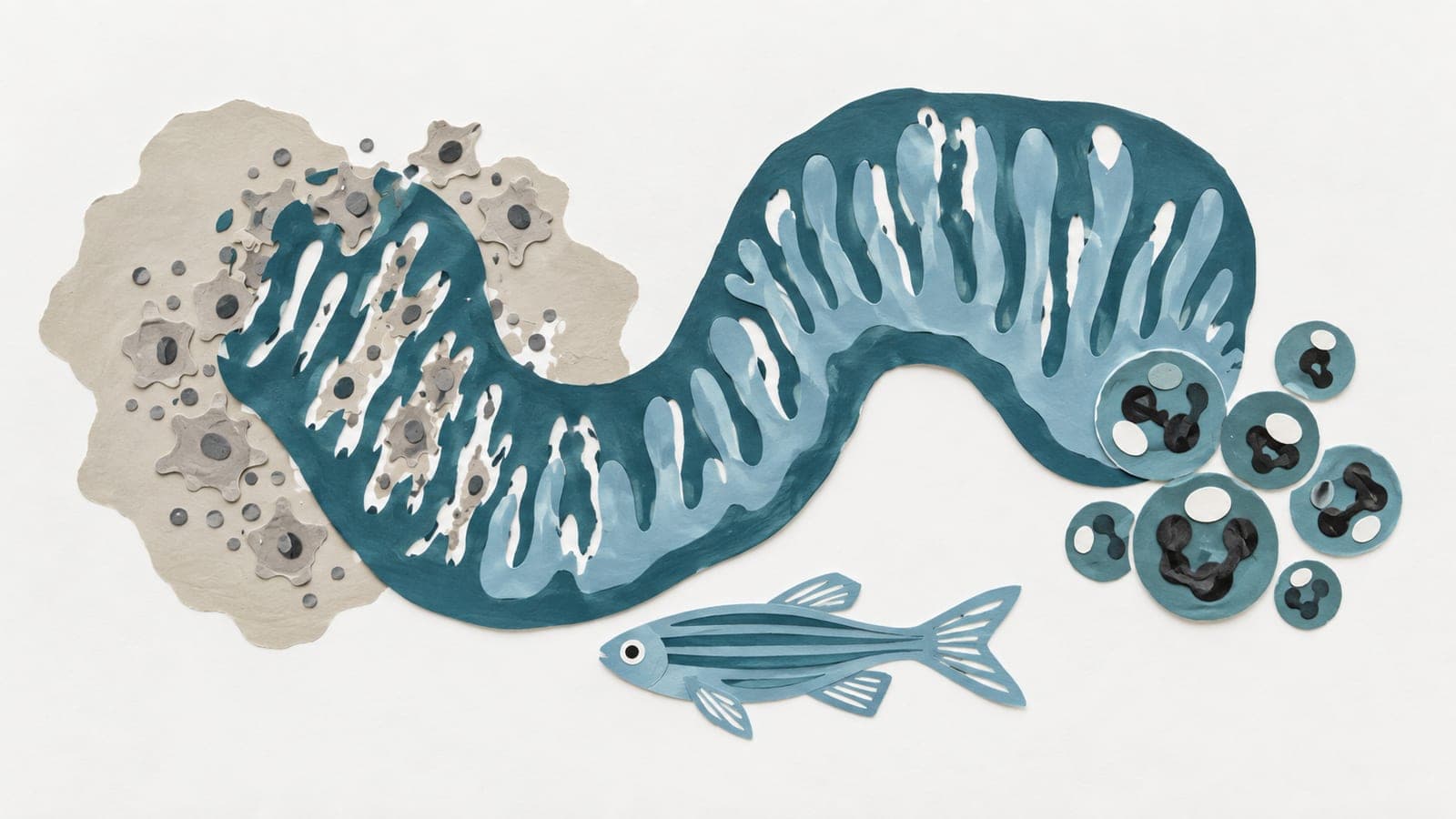
Dietary Intake of β-Glucans Can Prolong Lifespan and Exert an Antioxidant Action on Aged Fish Nothobranchius guentheri
Abstract
One of the widely accepted conjectures regarding mechanisms of aging is probably the oxidative stress hypothesis. β-1,3-Glucans, well-known immunostimulants, have been shown to increase nonspecific immunity and resistance against infections or pathogenic bacteria in several fish species, but its antiaging function remains poorly understood. By feeding of β-1,3-glucans to the annual fish, Nothobranchius guentheri, we detected the survivorship of the fish and estimated the development of age-related biomarkers at different stages. We first showed that administration of β-1,3-glucans was able to prolong the lifespan of the fish (p < 0.05). We then showed that β-1,3-glucans clearly reduced the accumulation of lipofuscin in the gills and the senescence-associated β-galactosidase in the caudal fins. Moreover, β-1,3-glucans were able to lower the levels of protein oxidation, lipid peroxidation, and reactive oxygen species (ROS) in the muscles. Finally, β-1,3-glucans could promote the activities of the antioxidant enzymes, including catalase, superoxide dismutase, and glutathione peroxidase in the fish, and slow down the increase of P66shc, a critical factor involved in the regulation of intracellular ROS contents. These data together suggest for the first time that β-1,3-glucans can extend the lifespan, delay the onset of age-related biomarkers and exert an antioxidant action of the aged fish, N. guentheri. It also implies that β-1,3-glucans may be potentially useful for health care in the elderly, including extension of the lifespan.
The paper
Ocean University of China; Qingdao National Laboratory for Marine Science and Technology
Rejuvenation Research, Oct 9, 2019