De novo NAD⁺ biosynthetic impairment in acute kidney injury in humans
Mice, placebo-controlled, dose-response
Abstract
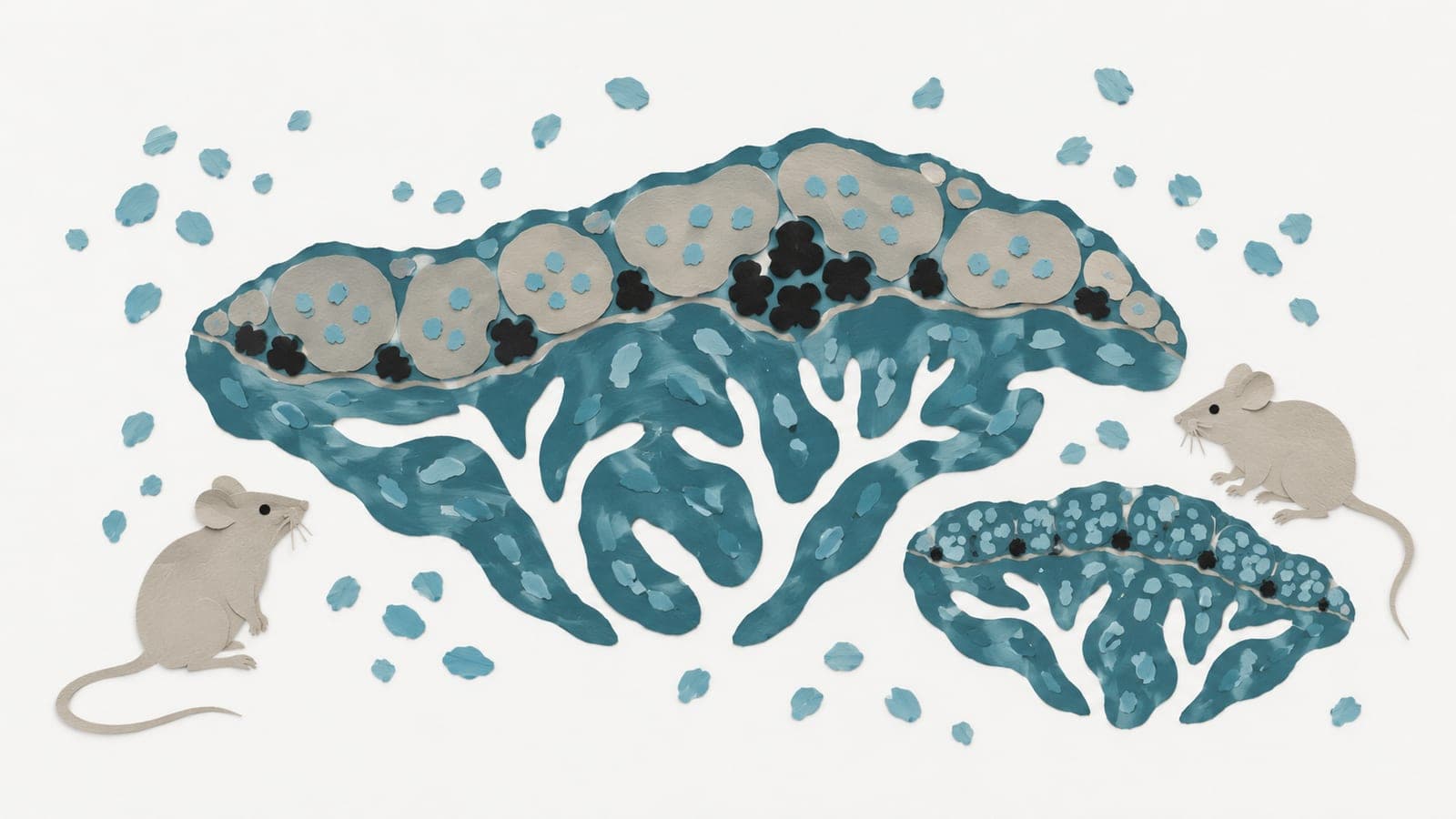
Nicotinamide adenine dinucleotide (NAD⁺) extends longevity in experimental organisms, raising interest in its impact on human health. De novo NAD⁺ biosynthesis from tryptophan is evolutionarily conserved yet considered supplanted among higher species by biosynthesis from nicotinamide (NAM). Here we show that a bottleneck enzyme in de novo biosynthesis, quinolinate phosphoribosyltransferase (QPRT), defends renal NAD⁺ and mediates resistance to acute kidney injury (AKI). Following murine AKI, renal NAD⁺ fell, quinolinate rose, and QPRT declined. QPRT+/- mice exhibited higher quinolinate, lower NAD⁺, and higher AKI susceptibility. Metabolomics suggested an elevated urinary quinolinate/tryptophan ratio (uQ/T) as an indicator of reduced QPRT. Elevated uQ/T predicted AKI and other adverse outcomes in critically ill patients. A phase 1 placebo-controlled study of oral NAM demonstrated a dose-related increase in circulating NAD⁺ metabolites. NAM was well tolerated and was associated with less AKI. Therefore, impaired NAD⁺ biosynthesis may be a feature of high-risk hospitalizations for which NAD⁺ augmentation could be beneficial.
The paper
Beth Israel Deaconess Medical Center
Nature Medicine, 20 Aug 2018