Dysregulation of valvular interstitial cell let-7c, miR-17, miR-20a, and miR-30d in naturally occurring canine myxomatous mitral valve disease
Abstract
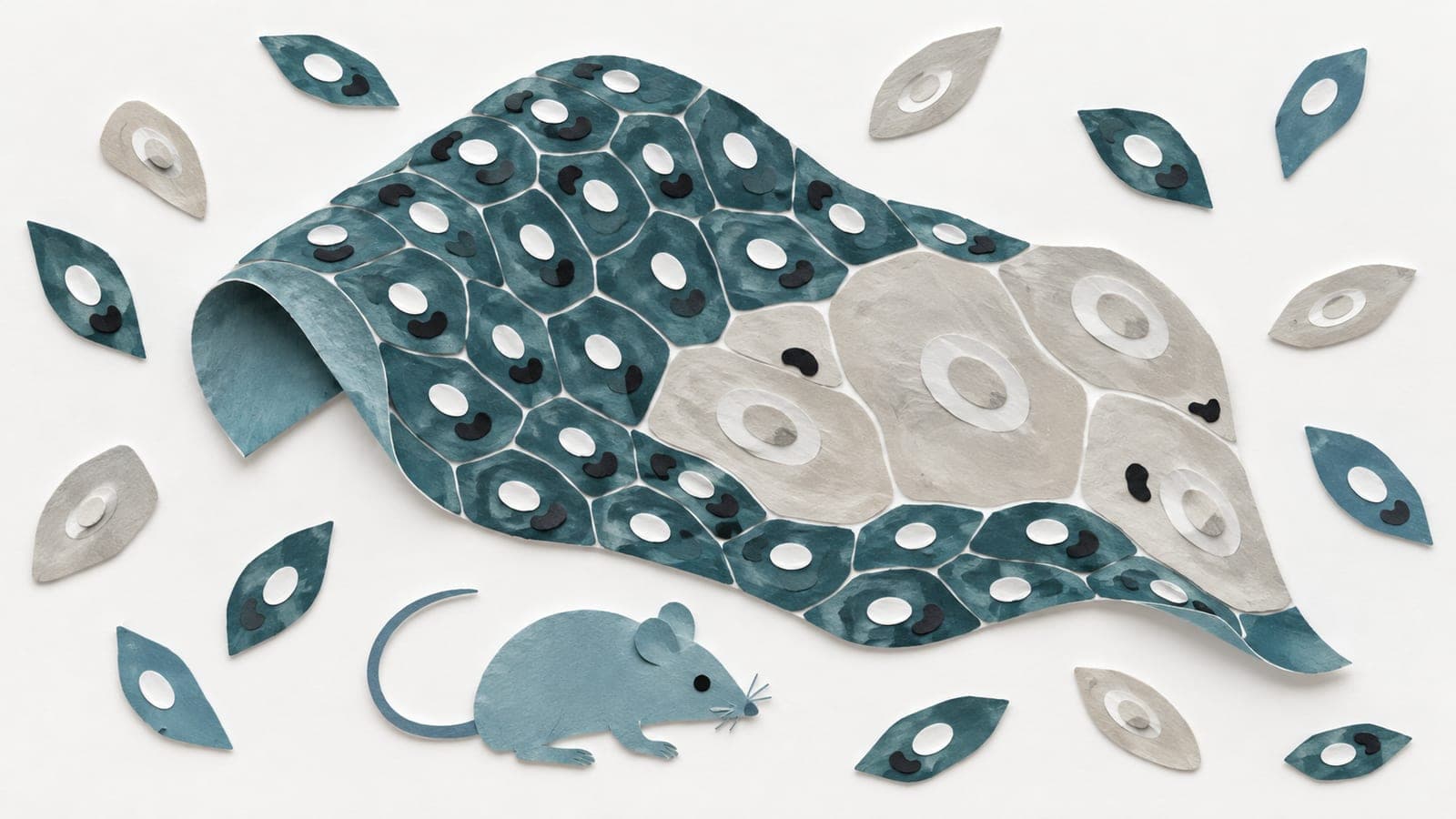
Canine myxomatous mitral valve disease (MMVD) resembles the early stages of myxomatous pathology seen in human non-syndromic mitral valve prolapse, a common valvular heart disease in the adult human population. Canine MMVD is seen in older subjects, suggesting age-related epigenetic dysregulation leading to derangements in valvular cell populations and matrix synthesis or degradation. We hypothesized that valvular interstitial cells (VICs) undergo disease-relevant changes in miRNA expression. In primary VIC lines from diseased and control valves, miRNA expression was profiled using RT-qPCR and next generation sequencing. VICs from diseased valves showed phenotypic changes consistent with myofibroblastic differentiation (vimentinlow+, α-SMAhigh+), increases in senescence markers (p21, SA-β-gαl), and decreased cell viability and proliferation potential. RT-qPCR and miRNA sequencing analyses both showed significant (p<0.05) downregulation of let-7c, miR-17, miR-20a, and miR-30d in VICs from diseased valves compared to controls. Decreased let-7c, miR-17, and miR-20a may contribute to myofibroblastic differentiation in addition to cell senescence, and decreased miR-30d may disinhibit cell apoptosis. These data support the hypothesis that epigenetic dysregulation plays an important role in age-related canine MMVD.
The paper
Tufts University
PLOS One, Jan 9, 2018, Open access