Therapeutic Resumption of Incretin Efficacy via Upstream ALR2–RAGE Axis Reversal: Structural and Mechanistic Insights into 5-SANA Co-Administration
Abstract
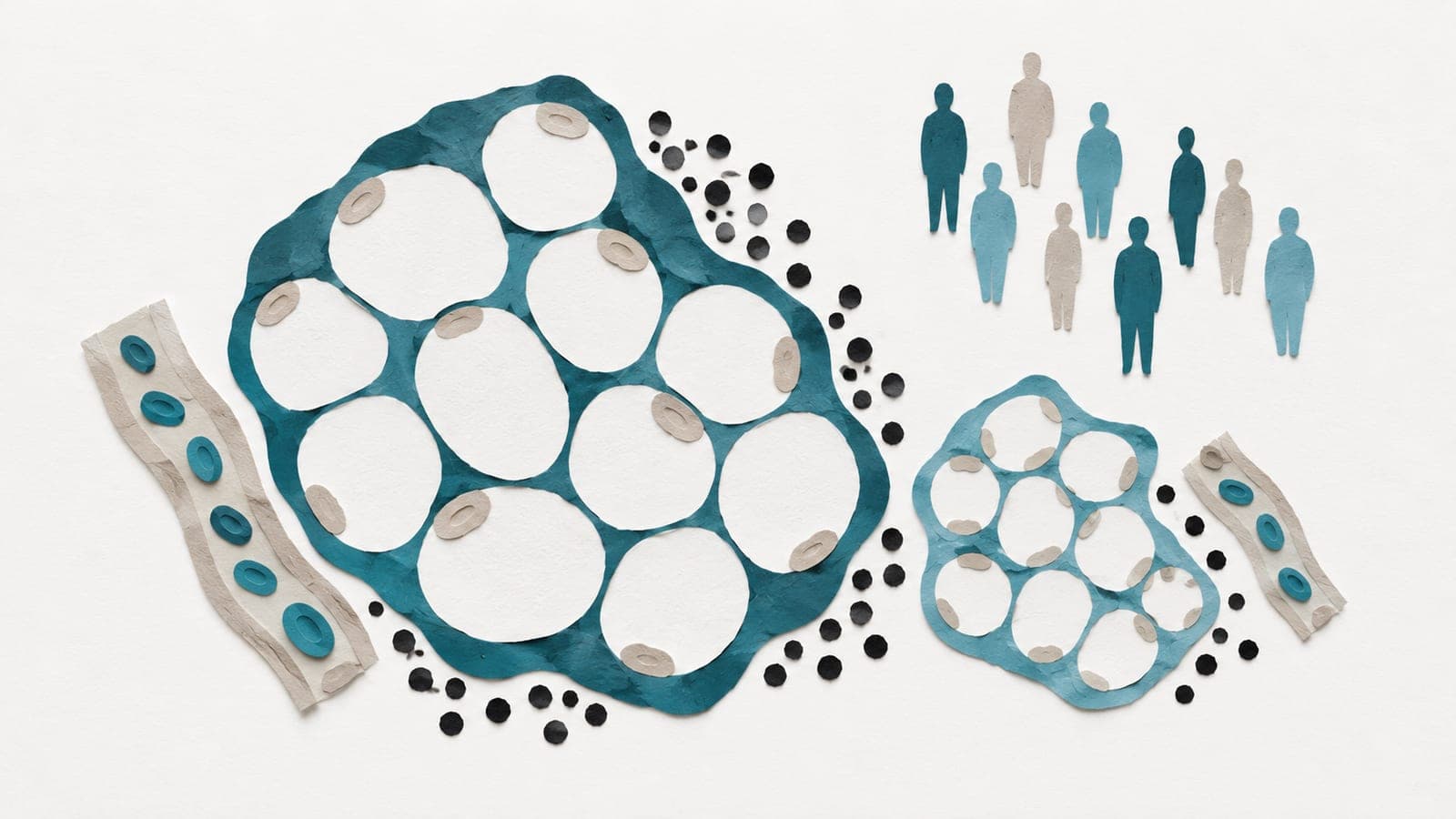
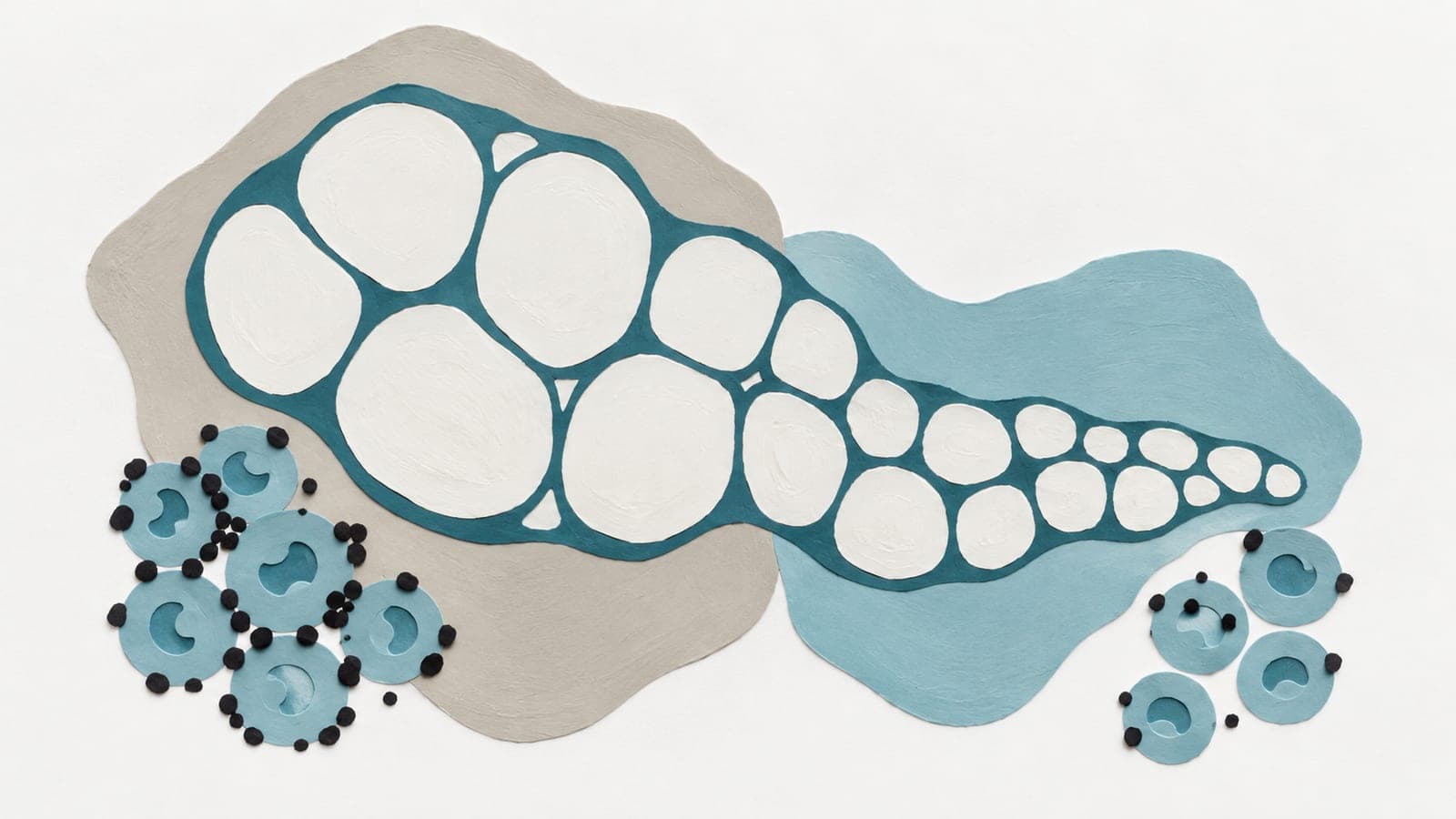
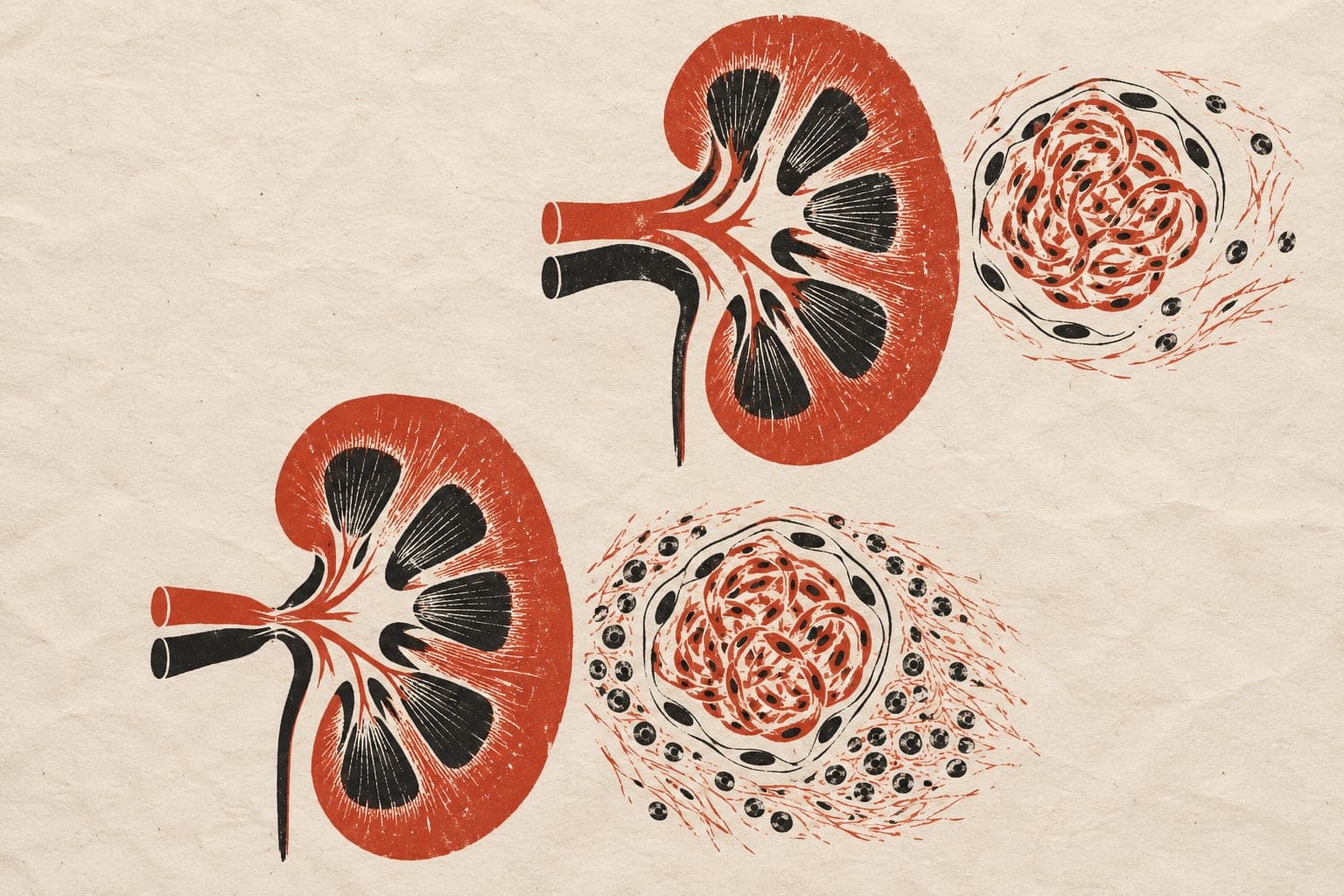
The long-term weight loss plateau of GLP-1 receptor agonists is the single greatest unresolved challenge in the pharmacological management of obesity and type 2 diabetes. While billions of dollars are being spent developing more potent downstream incretin signals, this work proposes that the plateau is not a neuroendocrine ceiling — it is a peripheral tissue barrier, and it is addressable. This preprint presents a mechanistic framework linking chronic Aldose Reductase 2 (ALR2) hyperactivation to incretin resistance, through a cascade of AGE accumulation, RAGE receptor activation, NF-κB-driven cellular senescence, and structural lipolytic failure in white adipose tissue. When this upstream cascade goes unopposed, no downstream GLP-1 signal — however potent — can overcome the biological inertia it creates. The proposed solution is upstream. 5-(2-nitroethenyl)salicylic acid (5-SANA) is demonstrated to be a potent, isoform-selective inhibitor of human ALR2, with an IC50 of 14.3 ± 1.6 µg independently validated by Dr. G. Bhanuprakash Reddy, Head of Biochemistry, ICMR National Institute of Nutrition, Government of India. By blocking ALR2 at the source, 5-SANA is proposed to reverse the downstream RAGE axis, silence the senescence-associated inflammatory cascade, and restore peripheral tissue compliance — giving GLP-1 therapy an unburdened biological environment in which to continue driving fat oxidation and metabolic improvement. This work identifies a mechanistic gap that the existing incretin literature has not addressed, and proposes a combination strategy — GLP-1 receptor agonist plus selective ALR2 inhibitor — that is orthogonal, synergistic, and commercially scalable. The hypothesis generates five specific, falsifiable experimental predictions and is grounded in published independent evidence from leading research groups in diabetic complications and adipose tissue biology.
The paper
Zenodo, Jun 10, 2026, Open access, CC BY-NC-ND, Preprint, not peer-reviewed