Model rates cognitive screens in older adults with possible sarcopenia
The model’s ability to distinguish positive from negative cognitive screens scored 0.853 internally and 0.799 in an independent sample of 314 participants.
Independent replication, multicenter
Limit: Complete-case analysis risks selection bias when missing data relate to cognitive impairment or predictors
Edited by Boris Djordjevic · AgingResearch.News
In a cross-sectional study, researchers analyzed data from 3,310 older adults with possible sarcopenia, an age-related muscle disorder, at ten tertiary hospitals in China. They tested their model separately in 314 participants at one institution. They defined probable mild cognitive impairment using a prespecified cutoff on the Montreal Cognitive Assessment, a screening test of thinking and memory.
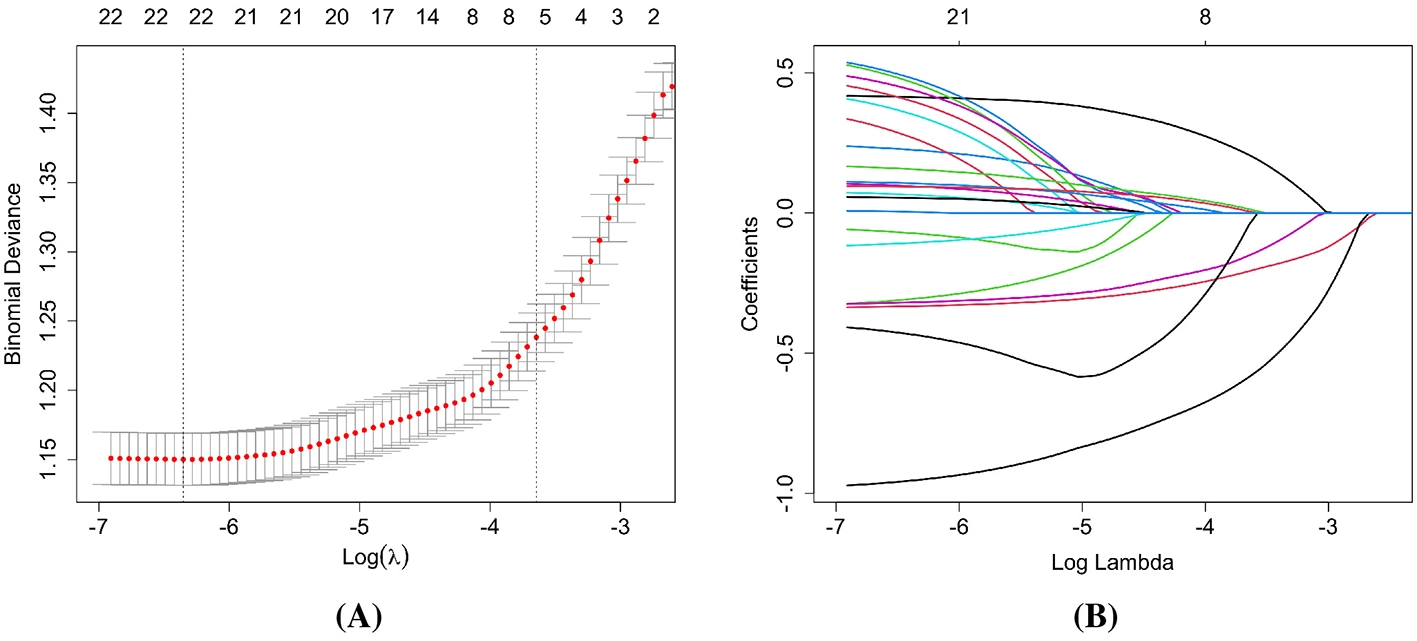
The model combined education, sex, smartphone use, sleep quality, depression symptoms and two traditional Chinese medicine constitution categories describing physical and functional characteristics. Of six models, a neural-network model best distinguished positive from negative screens in internal testing. Its area-under-the-curve scores were 0.853 internally and 0.799 externally; a score of 1 represents perfect separation.
Why it matters
Cognitive impairment among older adults with possible sarcopenia presents an opportunity for early identification. The authors explored a screening approach using accessible information rather than brain imaging, genetic testing or biochemical markers.
Caveats
The cross-sectional model assessed current screening-defined probable impairment, not a clinical diagnosis or future decline. External testing at one institution supported only limited applicability elsewhere; the authors called for prospective multicenter evaluation and, where needed, recalibration before clinical use.
From the paper
- Participants
A total of 3,310 older adults with possible sarcopenia were included, of whom 2,297 (69.38%) met the MoCA-based definition of screening-defined probable MCI and 1,013 (30.62%) were classified as having normal cognition.
- Result
The paired difference in AUC was 0.166 (95% CI: 0.135–0.196), calculated from paired unrounded predictions and therefore not necessarily equal to subtraction of the displayed AUCs rounded to three decimals.
Results, 3.3 Construction and evaluation of the MCI risk stratification model
- Limitation
First, its cross-sectional design precludes causal inference and cannot estimate incident MCI or future cognitive decline.
Quoted word for word from the full text on frontiersin.org.
- Deep learning
- Machine learning
- Possible sarcopenia
- Mild cognitive impairment
- Montreal Cognitive Assessment
- Humans
The paper
Chengdu University of Traditional Chinese Medicine
Frontiers in Public Health, Oct 29, 2026, Open access, CC BY


