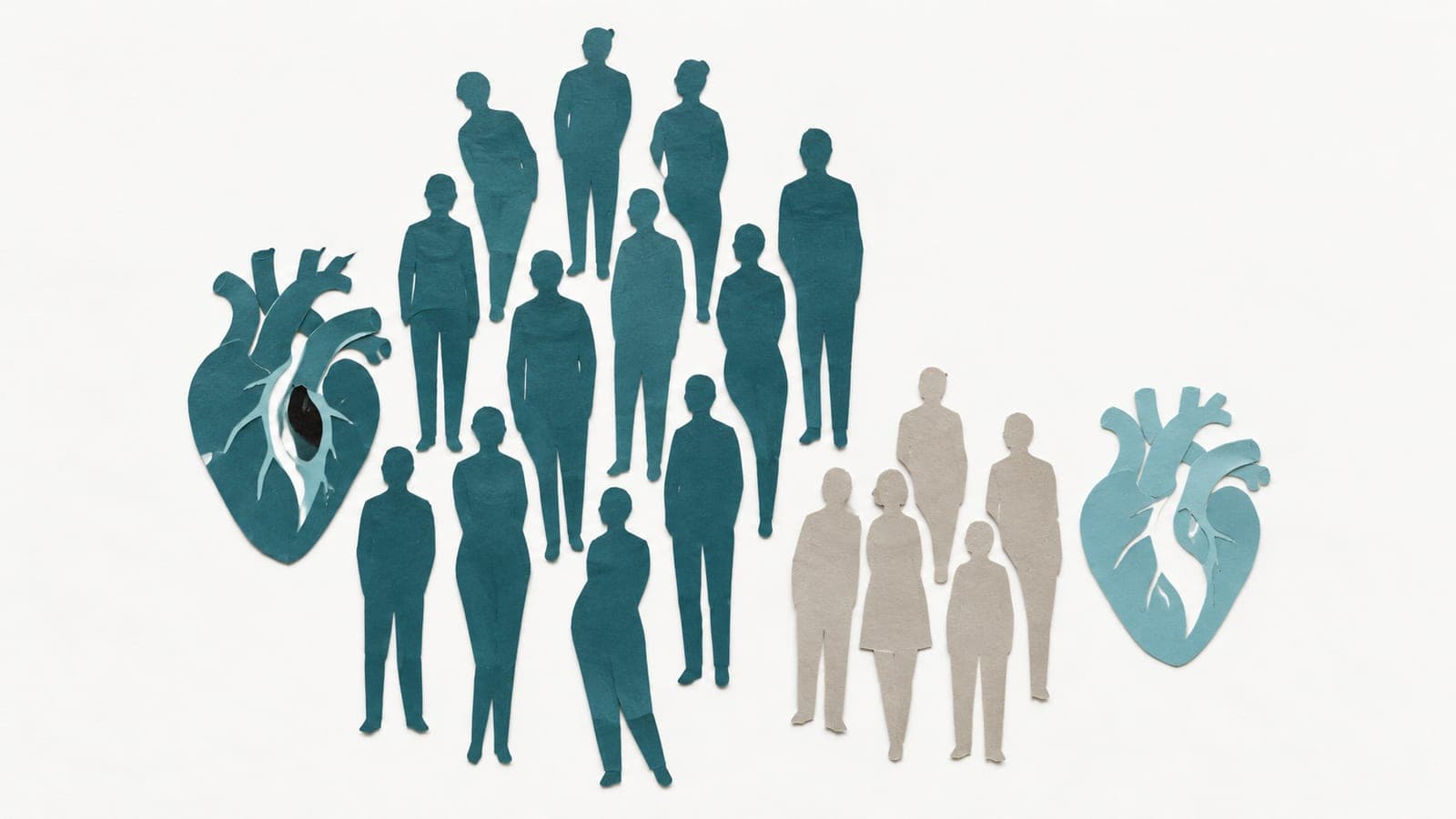
From Allostatic Load to Burnout: HPA Axis Dysregulation and the Invisibility of Aging in the Autism Spectrum – An Integrative Review
Abstract
The increase in diagnoses of Autism Spectrum Disorder (ASD) in adulthood and old age contrasts with the invisibility of these populations in neuroendocrine research. The continuous effort of social adaptation generates a severe allostatic load, impacting the hypothalamic-pituitary-adrenal (HPA) axis, whose stress level can be measured via salivary cortisol. To synthesize the available scientific knowledge on the evaluation of salivary cortisol in adults and older adults with ASD. This is an integrative review guided by the PRISMA protocol. Data sources included VHL, Embase, PubMed, Scopus, and Web of Science databases (up to December 2024). The quality of the studies was assessed using the MMAT tool. Seven empirical studies were included (n=166). The findings indicate chronic dysregulation of the HPA axis in adult autism, marked by strong anticipatory stress in social evaluations as well as sleep impairments. The continuous wear and tear results in axis burnout and conditions of daytime hypocortisolism. However, technology-mediated interventions (robots and virtual reality) proved to be effective in reducing this reactivity due to the predictability of the environment. Methodologically, a profound lack of standardization was observed in sample collections and laboratory assays. Critical demographic biases were also identified: the samples are limited to young adults (up to 44 years old), predominantly white men (78%), and with preserved IQ. Salivary cortisol highlights the high biological cost of the autistic experience. Clinical advancement in the area requires laboratory standardization and the systematic inclusion of older adults, women, racial minorities, and individuals with higher support needs.Keywords: Autism Spectrum Disorder; Salivary Cortisol; HPA Axis; Aging; Physiological Stress.
The paper
Preprint, 29 May 2026, Open access, CC0, Preprint, not peer-reviewed