Differential Effects of Semaglutide, Tirzepatide, and Survodutide on Energy Expenditure in Obese Mice under Thermoneutrality
Abstract
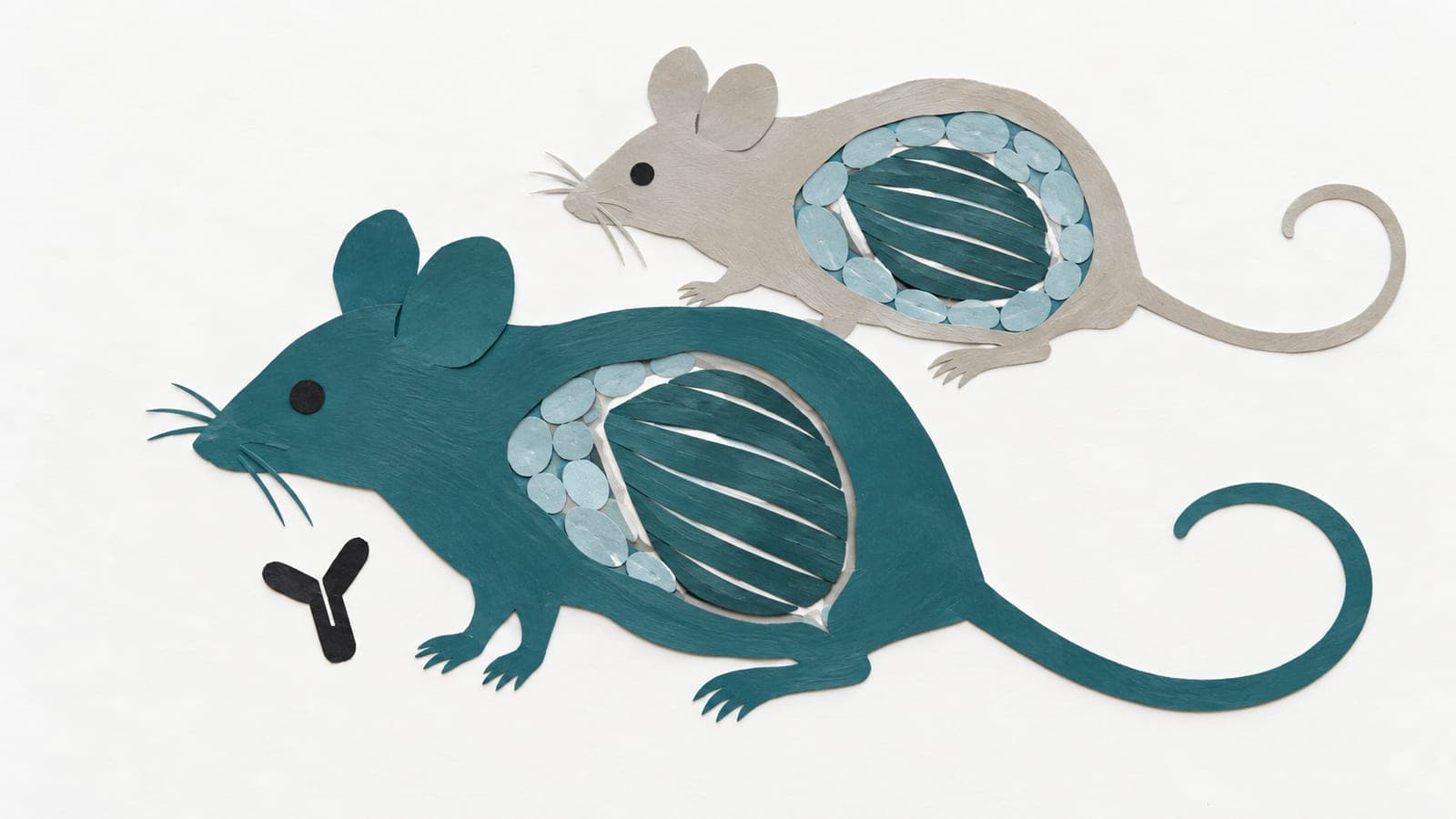
Introduction and Objective: Recent advances in obesity pharmacotherapy have demonstrated potent weight-reducing effects of semaglutide (SEMA), a GLP-1R agonist, tirzepatide (TZP), a dual GLP-1R/GIPR agonist, and survodutide (SUR), a dual GLP-1R/GCGR agonist. These peptide drugs primarily act by suppressing appetite and improving glucose metabolism. However, their short- and long-term effects on energy expenditure (EE), particularly after treatment cessation, remain incompletely understood. This study aimed to assess how SEMA, TZP, and SUR affect EE in diet-induced obese (DIO) mice under thermoneutral conditions, minimizing cold-induced thermogenesis. Methods: DIO mice (n=8/group) were randomized by baseline body weight and treated subcutaneously once daily with vehicle, SEMA (10 nmol/kg), TZP (10 nmol/kg), or SUR (15 nmol/kg) for four weeks, followed by a two-week washout. EE (indirect calorimetry), food and water intake, and locomotor activity were monitored throughout. Results: All three treatments significantly reduced body weight (SEMA 17.1%, TZP 31.2%, SUR 14.1%). Only SEMA and TZP reduced food intake, with the strongest effects during the first week. TZP increased EE from days 4-14, returning to baseline thereafter, without affecting locomotor activity, suggesting a direct metabolic effect. In contrast, SEMA transiently reduced EE during the first days of treatment, while SUR had no effect on EE. All treatments lowered respiratory exchange ratio (RER) during the first two weeks, indicating increased lipid oxidation. RER normalized by week three and increased post-treatment during washout. Conclusion: Distinct metabolic responses were observed across treatments. TZP transiently elevates EE, SEMA initially suppresses EE, and SUR shows no effect. This highlights potential modulatory effects of GIPR agonism on GLP-1R-mediated metabolism. Changes in RER suggest a treatment-induced shift toward lipid oxidation for all three pharmacotherapies. Disclosure: L. Zachariassen: Employee; Current; Gubra. Stock/Shareholder; Current; Gubra. S. Bossi: Employee; Current; Gubra. H.H. Hansen: Employee; Current; Gubra. M. Tozzi: Employee; Current; Gubra. Stock/Shareholder; Current; Gubra, Novo Nordisk.
The paper
Hørsholm
ADA Scientific Sessions 2026 Abstract, 5 Jun 2026
Presented at ADA Scientific Sessions 2026, poster 2577-P