Sex-Specific Diabetes–Bone Disease Paradox: Higher-BMI Women Show Greater Bone Loss Despite Better Glycemic Control in Type 2 Diabetes
Abstract
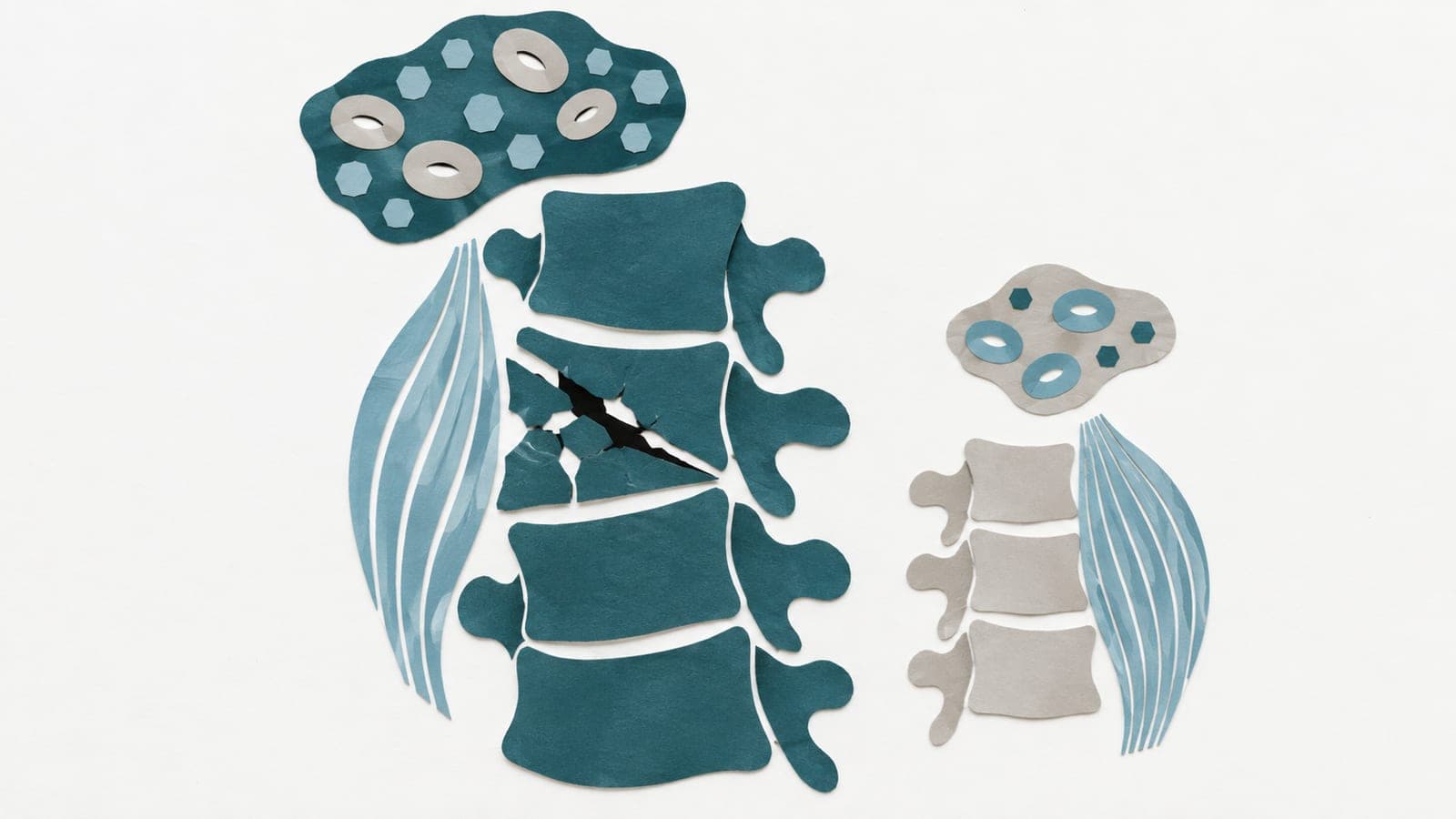
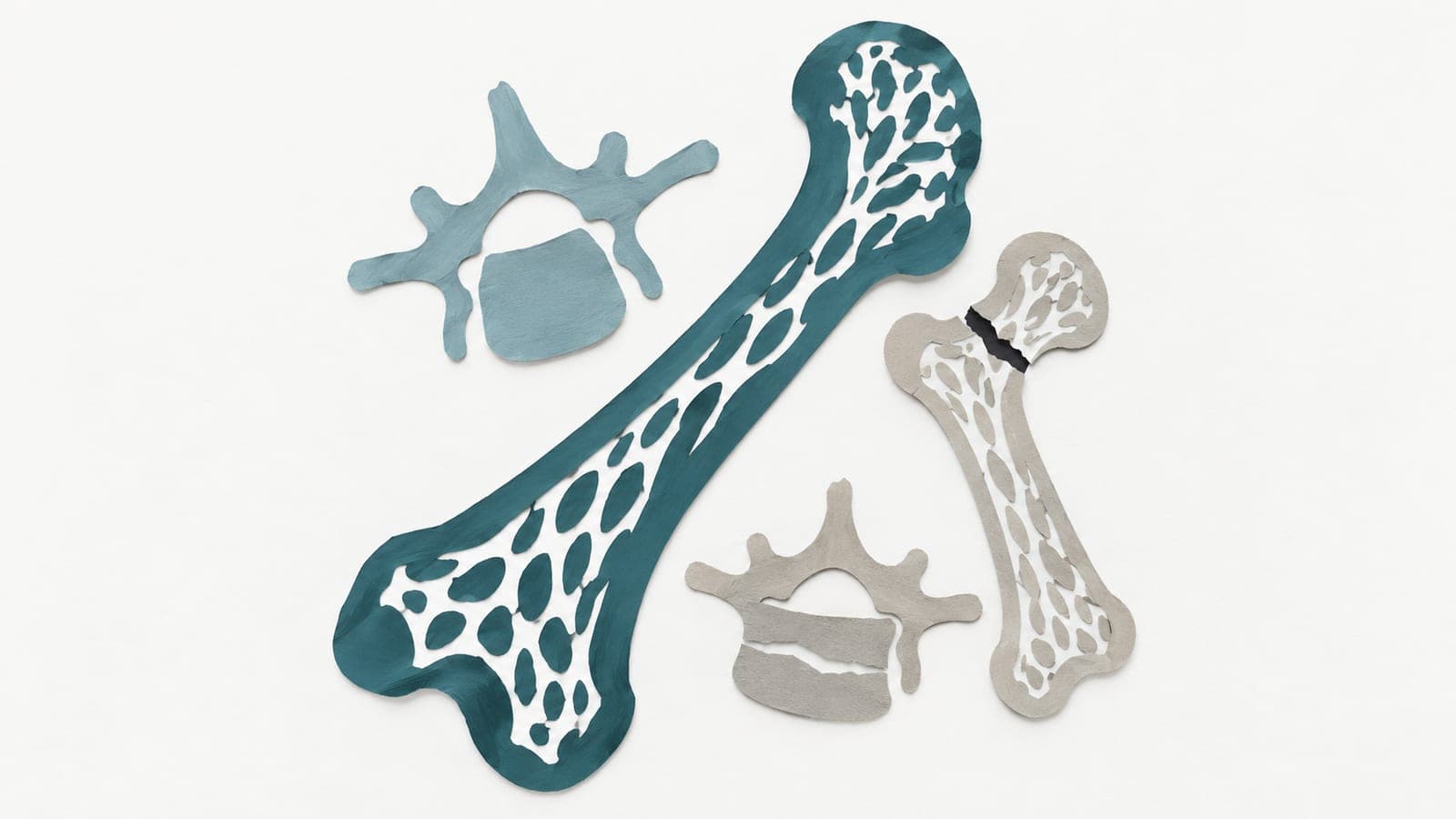
Introduction and Objective: The relationship between obesity and bone health in type 2 diabetes remains paradoxical, with obesity traditionally thought to protect against bone loss. However, sex-specific analyses are notably absent, particularly in South Asian populations where metabolic phenotypes differ from Western cohorts. Methods: Cross-sectional analysis of approximately 400 T2DM patients from multiple diabetes screening camps, stratified by sex. Assessments included bone mineral density (DEXAmeasured, categorized as NORMAL/OSTEOPENIA/OSTEOPOROSIS per WHO criteria), BMI, HbA1c, lipid panel, diabetes duration, and neuropathy screening. Sex-specific analyses examined BMI-BMD associations adjusting for age, diabetes duration, and metabolic parameters. Multiple logistic regression tested sex-BMI interactions for reduced bone density (OSTEOPENIA or OSTEOPOROSIS). Results: Female patients demonstrated paradoxically higher reduced BMD prevalence despite higher mean BMI and better glycemic control versus males (reduced BMD: females 78% vs males 73%; mean BMI: 28.5 vs 26.8; mean HbA1c: 7.6% vs 7.9%). Among women, higher BMI associated with increased odds of reduced BMD (trend opposite to expected), while males showed the traditional protective pattern. The sex-BMI interaction was significant (p<0.05). Among obese patients (BMI≥30), 82% had reduced BMD with no sex difference, suggesting obesity eliminates typical male bone advantage. Among females specifically, 54% with BMI>30 had OSTEOPOROSIS (not just OSTEOPENIA) versus 31% of males with BMI>30. Women with optimal HbA1c<7% still had 74% reduced BMD prevalence. Conclusion: Women with type 2 diabetes exhibit a paradoxical obesity-bone relationship opposite to men, with higher BMI failing to protect bone health despite better glycemic control. These sex-specific patterns challenge the obesity-bone protection paradigm and suggest women with diabetes require BMD screening regardless of weight or glucose control status. Disclosure: A. Maheshwari: None. S. Singla: None. S. Patil: None. N. Verma: None. A. Tewari: None.
The paper
Lucknow
ADA Scientific Sessions 2026 Abstract, 5 Jun 2026
Presented at ADA Scientific Sessions 2026, poster 1996-P