Chair rise patterns linked to functional differences in older adults
A 24-month observational study of 172 adults aged 70 and older linked two sensor-detected movement patterns to functional differences not captured by stopwatch scoring.
Our read
Biomarkers- Studied:
- Cohort study of 172 people (24 months)
Editor of record: Boris Djordjevic · AgingResearch.News
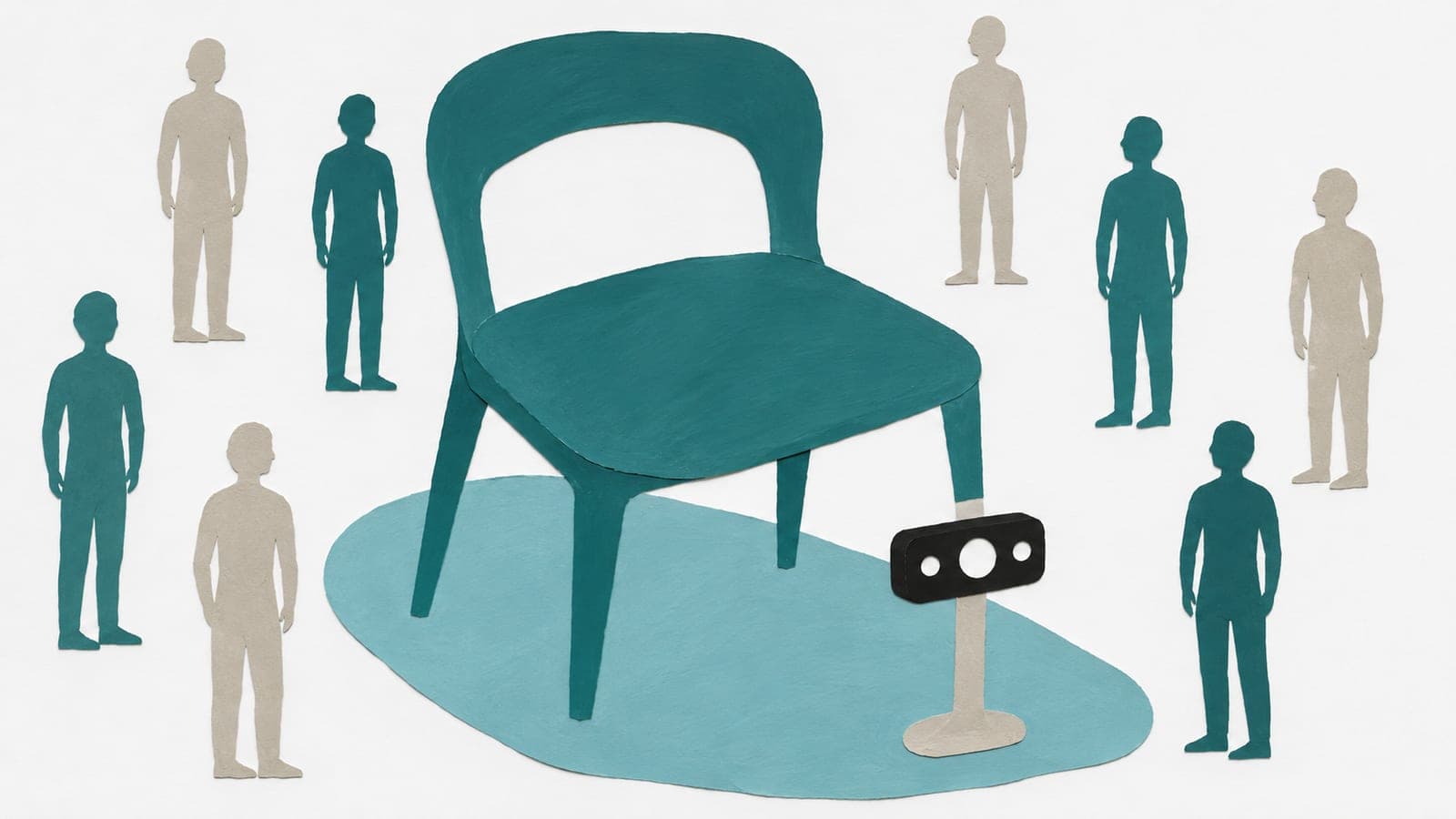
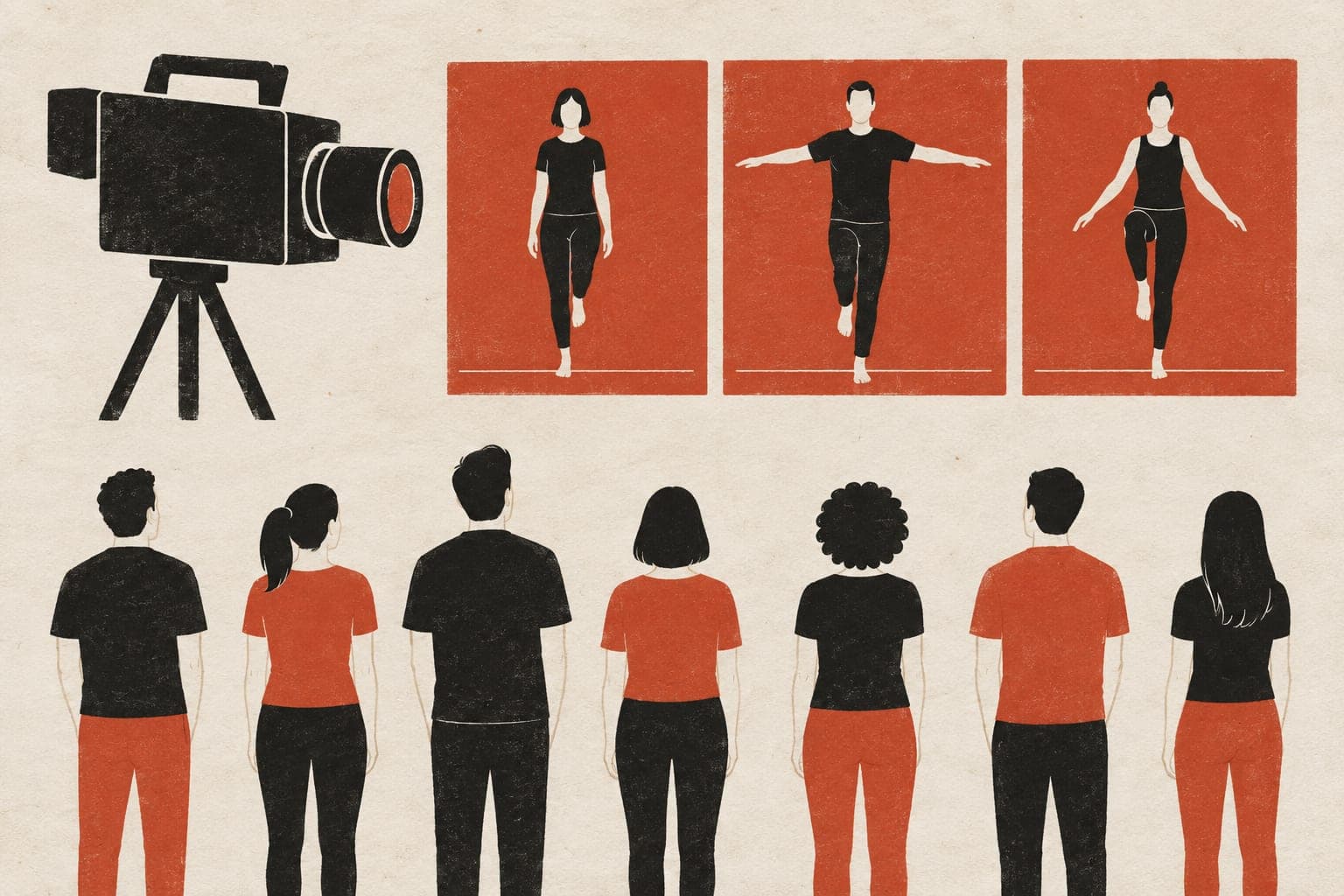
Community-dwelling adults aged 70 and older completed functional assessments at baseline, six months and 24 months in a longitudinal observational study. The final analysis included 172 people, with an average age of 76.9 years; 56% were women. A force-measuring platform and depth camera recorded their movements during a test of rising from a chair five times. Machine learning sorted their force patterns into two groups.
One group rose faster and showed lower forces while stabilizing their movements. This group had greater muscle strength and leg power, faster mobility and walking speed, and longer walking distances across all three assessments. Stopwatch scoring classified most participants as high functioning, but the movement groups revealed functional differences that timing alone did not capture.
Why it matters
Functional ability is central to healthy aging. The authors suggest that movement-based assessments may improve early detection of mobility decline and help tailor interventions.
Caveats
The groups already differed at baseline, so differences at later visits do not by themselves show that the method predicts future decline. The results concern community-dwelling adults aged 70 and older.
Comments
Be the first to comment.