resveratrol mitochondrial exercise training
Abstract
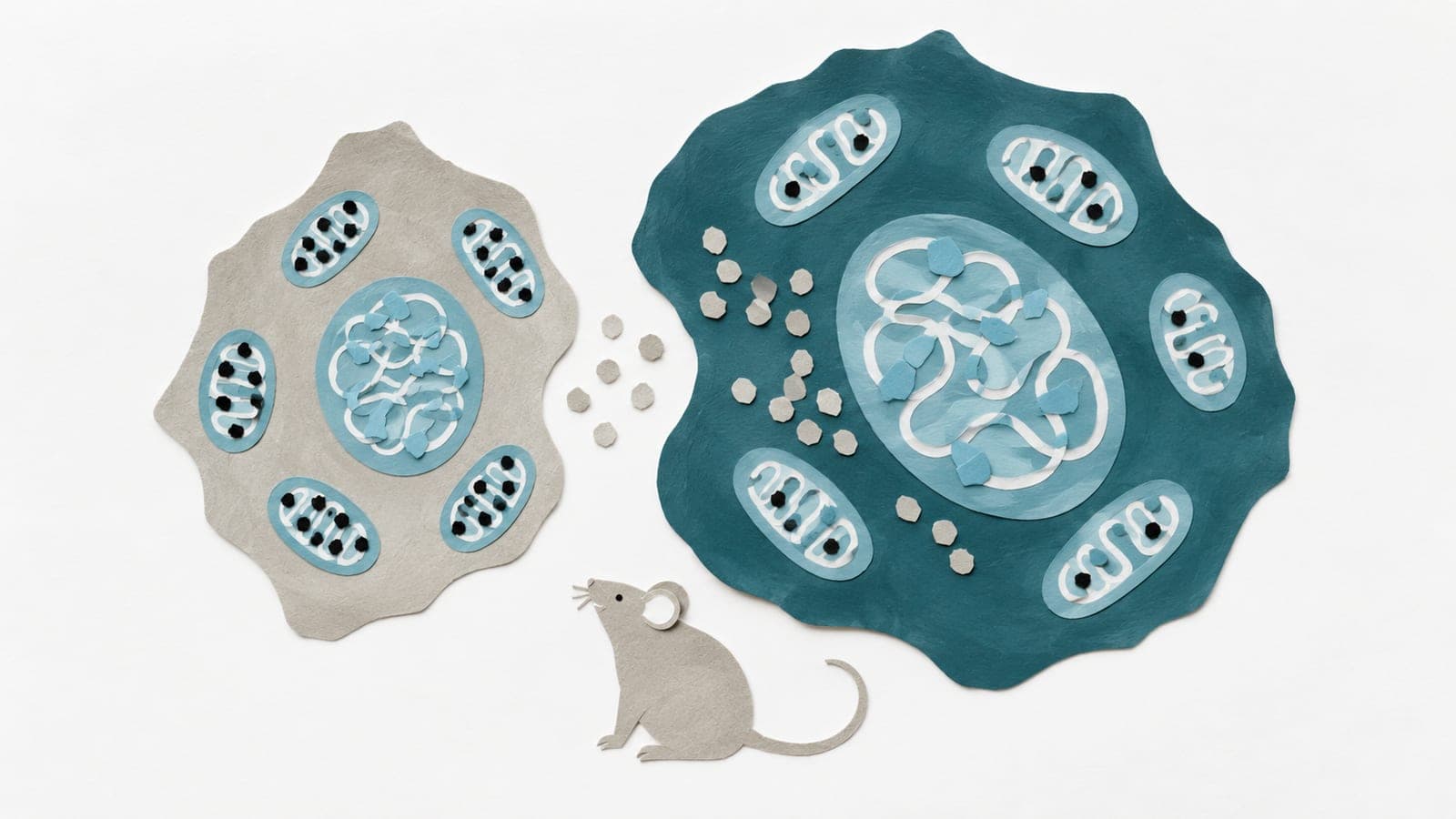
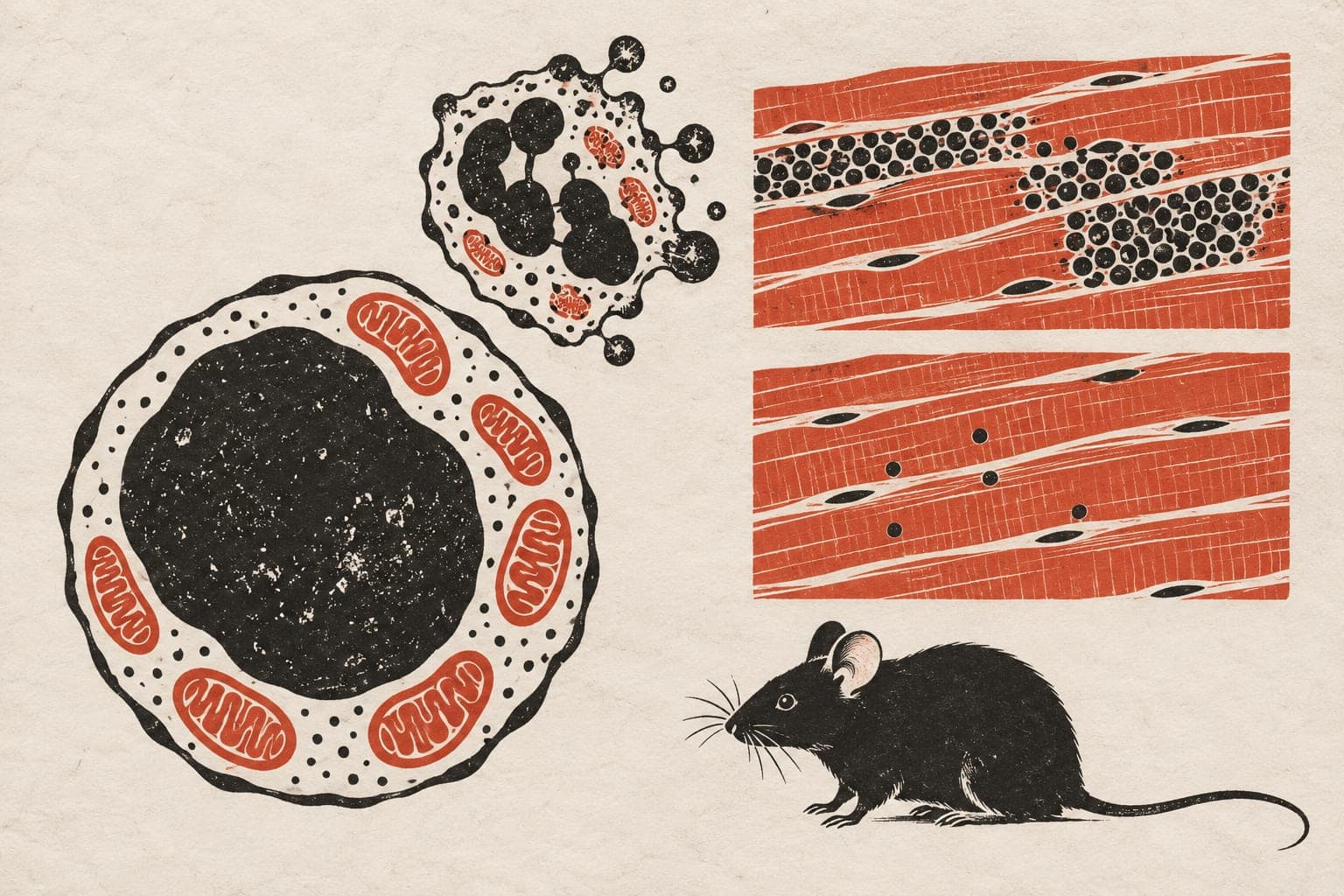
Researka accepted publication: 138343f8-2ddc-41b4-8867-fe66d12f92db Source submission: d69993b4-de34-488d-b847-44c7f1571905 Alpha memo: resveratrol mitochondrial exercise training Core signal A 2006 mouse study frames resveratrol as a mitochondrial "exercise mimetic" that lifts aerobic capacity, running time, and oxidative phosphorylation gene expression via SIRT1/PGC 1α signaling (10.1016/j.cell.2006.11.013). A 2013 human RCT of 27 healthy physically inactive aged men, randomized to 8 weeks of high intensity exercise training with 250 mg/day trans resveratrol or placebo, cuts the other way: placebo posted a 45% greater rise in maximal oxygen uptake than resveratrol, and only placebo lowered mean arterial pressure; resveratrol abolished training's lipid benefits (LDL, total cholesterol/HDL, triglycerides) while leaving Sirtuin 1 protein unchanged (10.1113/jphysiol.2013.258061). The 2+2=5 angle The bridge is that the 2006 result is read as a "better than training" pill, while the 2013 trial shows the same molecule, co administered with real training, can subtract from training's cardiovascular payoff in older men. The non obvious lesson: a "mitochondrial exercise mimetic" in sedentary young mice is not a "training amplifier" in aged humans; pairing it with high intensity exercise may cancel the very adaptations the molecule is celebrated for, and the failure
The paper
Preprint, 1 Jan 2026, Preprint, not peer-reviewed