Higher protein level linked to faster cognitive decline in women
An observational study of 161 older adults over an average 6.4 years found the link in women but not men.
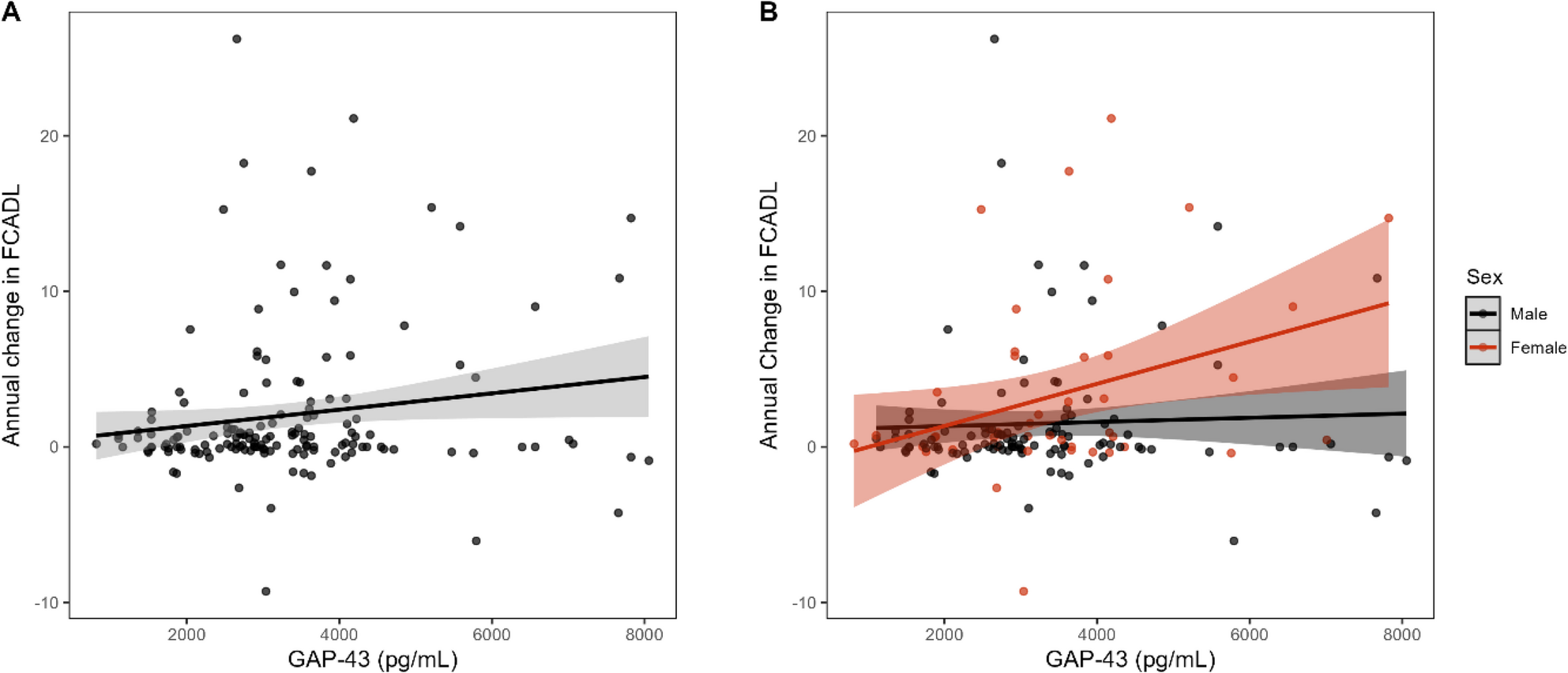
In this observational study, 161 community-dwelling older adults without clinical dementia or stroke had an average age of 72. Researchers measured growth-associated protein 43, a protein marker of neuroplasticity—the brain’s ability to adapt—in fluid surrounding the brain and spinal cord at study entry. They assessed thinking skills and everyday functioning over an average 6.4 years.
Higher starting protein levels were linked to faster declines in language, processing speed, planning and problem-solving, visual and spatial skills, and everyday functioning in women, but not men. The analyses accounted for age, education, cognitive status and other factors. At study entry, higher levels were also linked to poorer language and visual and spatial skills and greater difficulty functioning, without evidence that these links differed by sex.
Why it matters
The study bears on why cognitive decline differs between women and men as they age. The authors suggested that differing responses to neuroplasticity, possibly driven by the hormone oestrogen, could help explain these differences.
Caveats
This observational study identified associations, not cause and effect. Women made up 31% of the 161 participants, and the results do not establish a role for oestrogen.
From the paper
- Follow-up
Vanderbilt Memory and Aging Project participants free of clinical dementia or stroke (n = 161, 72 ± 6 years, 31% female) underwent a fasting lumbar puncture and comprehensive neuropsychological assessment at study entry and over a mean 6.4-year follow-up period.
Quoted word for word from the full text on link.springer.com.
The paper
Vanderbilt University
Alzheimer's Research & Therapy, 11 Oct 2026, CC BY-NC-ND