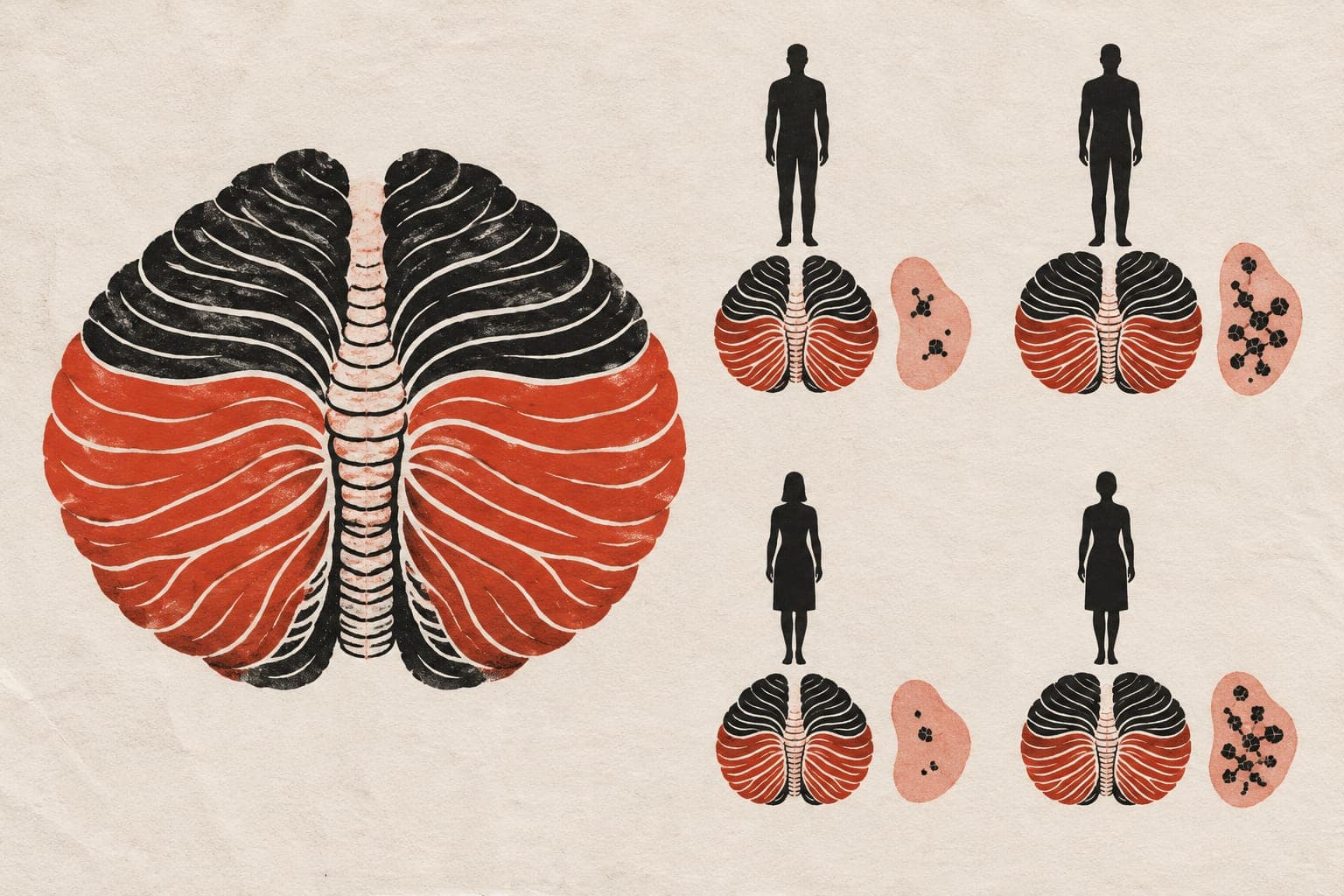
Brain patterns linked to depression and markers of brain decline
An observational study of 353 adults aged 36–87 linked distinct brain patterns to later depression in younger women and blood markers of brain deterioration in older men.
bioRxiv
Researchers analysed repeated brain scans and clinical data from 353 adults aged 36–87 in a healthy aging cohort. This longitudinal observational study assessed how closely patterns of linked activity between brain regions matched those typical of each sex.
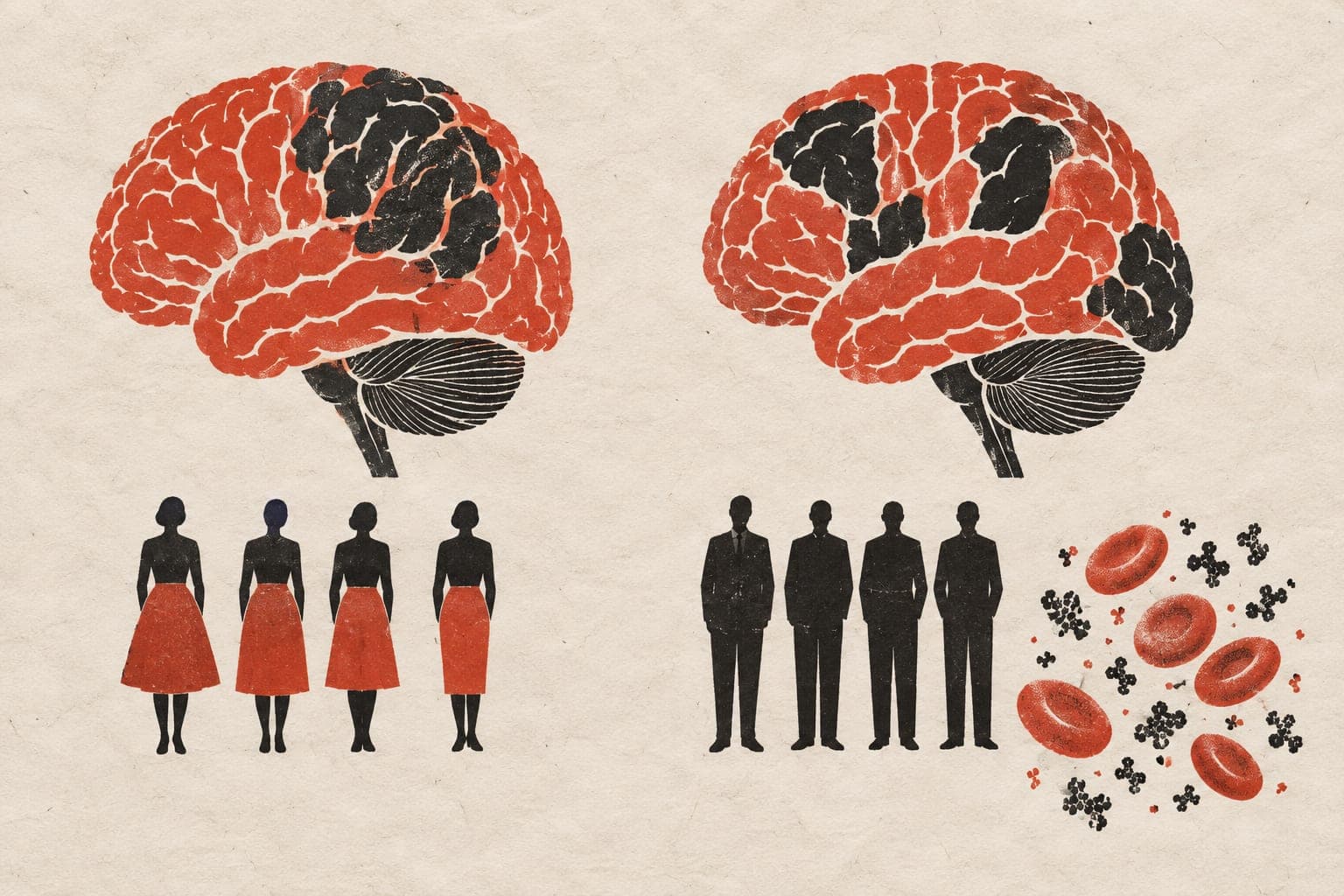
The researchers identified two patterns of difference from sex-typical brain organisation. One was associated with more severe future depression in younger women. The other was associated with higher later blood levels of markers of neurodegeneration, or deterioration of nerve cells, and poorer thinking skills in older men. These skills included memory, processing speed and the ability to suppress unwanted responses. The links involved brain patterns measured during wakeful rest and tasks testing control over thoughts and actions, but not tasks testing memory for associations.
Why it matters
Psychiatric and neurodegenerative risks overlap across life and differ by sex. The authors suggested that assessing brain function region by region, alongside inflammation-related markers, may support more individualised care as people age.
Caveats
The observational design cannot establish cause and effect, and the reported neurodegeneration links concerned blood markers. The paper is a preprint and has not yet been peer-reviewed.
- Sex hormone signalling (oestrogen, androgen)
- Depression
- First sex-typical brain connectivity deviance pattern
- Fluid cognition
- GFAP
- Humans
The paper
University of Liverpool
bioRxiv · 6 Oct 2026 · Preprint, not peer-reviewed