Air pollution linked to multiple chronic conditions in China
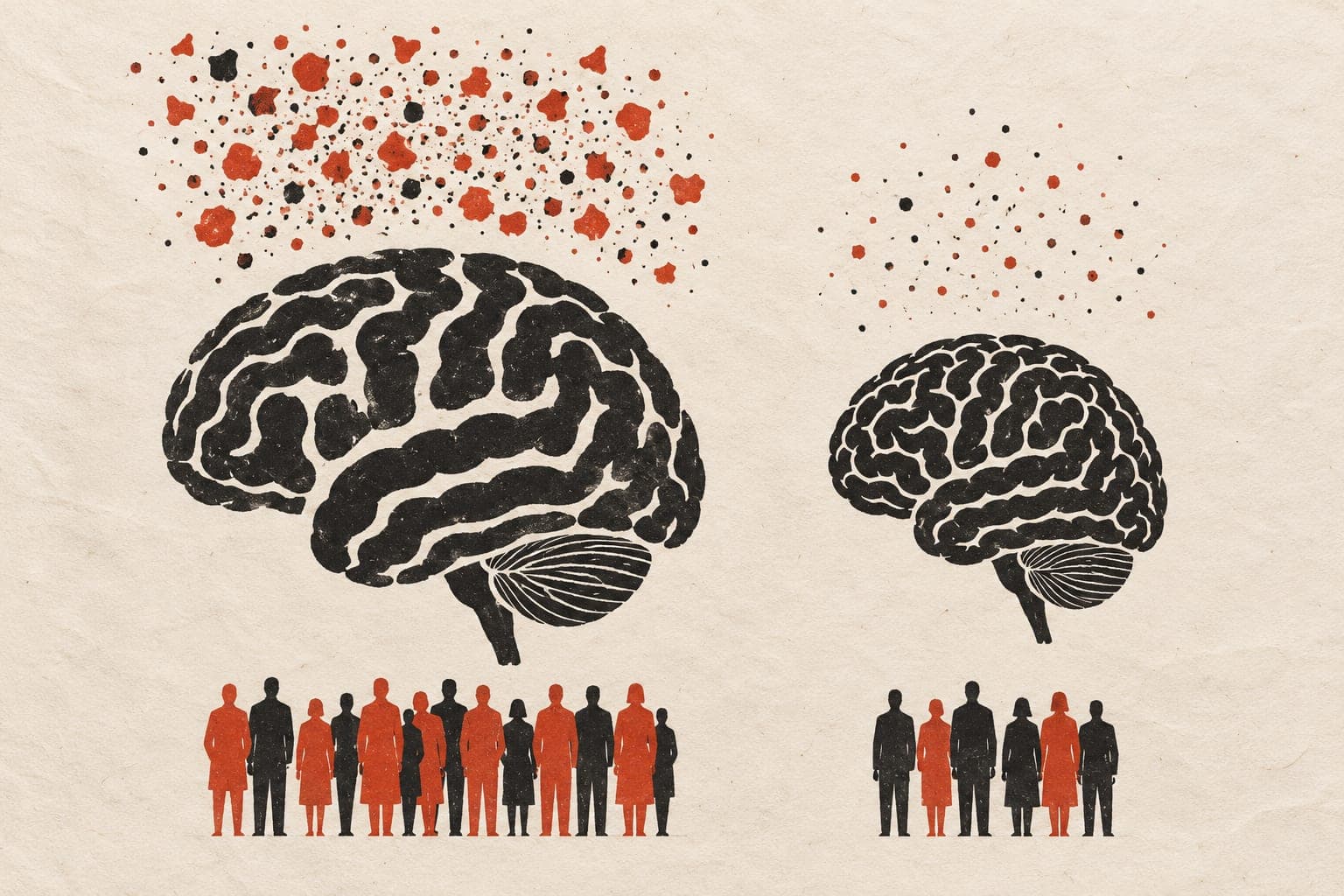
A cohort study followed 8,725 Chinese adults aged 45 and older from 2011 to 2020, linking long-term pollution exposure to developing multiple chronic conditions.
Our read
Populations- Studied:
- Cohort study of 8,725 Chinese adults aged 45 and older, 2011 to 2020
- What changed:
- Long-term air pollution exposure was linked to higher risk of developing multiple chronic conditions
- The catch:
- Differences in living conditions could explain part of the link between pollution and disease
- In the record:
- The 502nd paper on fine particulate matter with results in people; 686 on record in all. Its result on cardiometabolic multimorbidity agrees with all 6 other findings on record.
- Why it’s aging research:
- It measures an outcome that worsens with age.
Editor of record: Boris Djordjevic · AgingResearch.News
Among 8,725 Chinese adults aged 45 and older, long-term air pollution exposure was linked to developing multiple chronic conditions in a nationwide observational cohort study. Participants lived across 28 provinces and entered the study in 2011. None had two or more of the four conditions assessed: high blood pressure, diabetes, heart and blood vessel disease, and stroke. People with one condition were included.
Follow-up continued through 2020. Long-term exposure to each of five pollutants—three sizes of airborne particles, ozone and nitrogen dioxide—was associated with a higher risk of developing at least two of these conditions. The links were stronger among people with less education and shorter sleep duration.
Why it matters
For preventing multiple chronic conditions in middle and later life, the authors emphasized better air quality and targeted public health strategies for disadvantaged groups and people who sleep less.
Caveats
People exposed to more pollution may also have differed in living conditions or other health risks that contributed to disease. The analysis included only Chinese adults aged 45 and older without multiple listed conditions at baseline and with complete follow-up through 2020.
Where the evidence stands
Ozone
- 80 independent labs in 19 countries
- 18 findings against
- Funders: National Institutes of Health and others
- 3 of 170 findings with company ties
Nitrogen dioxide
- 103 independent labs in 25 countries
- 14 findings against
- Funders: National Institutes of Health and others
- 11 of 213 findings with company ties
The paper
Journal of Investigative Medicine, Nov 6, 2026
Comments
Be the first to comment.