Internet use may help explain isolation’s link to cognition
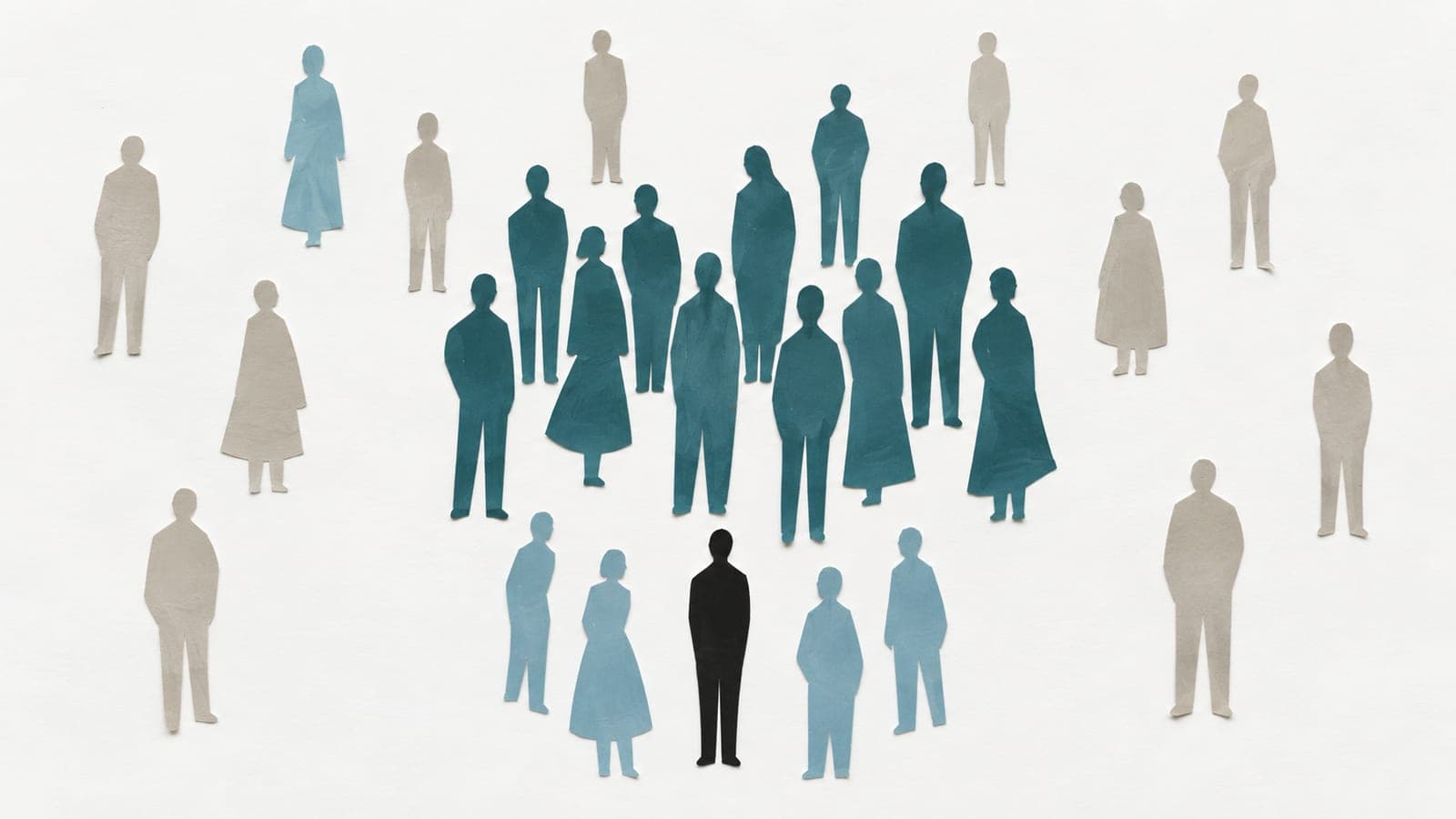
Analyses of 18,071 adults aged 55 and older suggested internet access or use may contribute to isolation’s link with poorer cognition, depending on setting.

Our read
Populations- Studied:
- Study of 18,071 Chinese and European older adults
- What changed:
- Internet use partly accounted for isolation’s link to poorer thinking skills in SHARE, but not clearly in CHARLS
- The catch:
- Internet-use mediation was not significant in CHARLS, limiting consistency across settings
- In the record:
- One of 7 papers on digital inclusion on record: 4 with results in people.
Editor of record: Boris Djordjevic · AgingResearch.News
Chinese and European adults aged 55 and older—18,071 in total—were analyzed in a Chinese cross-sectional study, assessing people at one point, and two longitudinal cohorts, following people over time. Researchers examined mediation: whether internet access or use helped account for isolation’s association with cognition, or thinking abilities.
Social isolation was associated with poorer cognition across cohorts. Longitudinal mediation was clearest in the cohort named SHARE, particularly for lack of group participation, but was not significant in the cohort named CHARLS. The Chinese cross-sectional mediation findings were exploratory. A separate two-sample Mendelian randomization analysis, which uses genetic differences to examine relationships between traits, drew on European-ancestry genetic data. It linked genetically predicted loneliness and fewer leisure social activities to poorer cognition.
Why it matters
Social isolation is a modifiable risk factor for cognitive decline in older adults. The work addresses how pathways connecting social contact and cognitive aging may depend on setting.
Caveats
The cohort analyses leave open whether other differences between socially isolated and less isolated adults contributed to the links with internet use and cognition.
- Internet access or use
- Social isolation
- Lack of group participation
- Loneliness
- Fewer leisure social activities
- Humans
The paper
Southeast University
Journal of Applied Gerontology, Nov 12, 2026

Comments
Be the first to comment.