Blood-cell mutations linked to later coronary disease
Over 10 years, the hazard ratio—a comparison of disease rates over time—was 1.61 for participants with the condition versus those without it.

Our read
Biomarkers- Studied:
- Cohort study of 28,312 participants in the MESA extension cohort, against participants without CHIP
- What changed:
- Risk of new coronary disease was higher with CHIP than without it (hazard ratio 1.61)
- Why it’s aging research:
- It studies something that builds up in the body with age.
Editor of record: Boris Djordjevic · AgingResearch.News
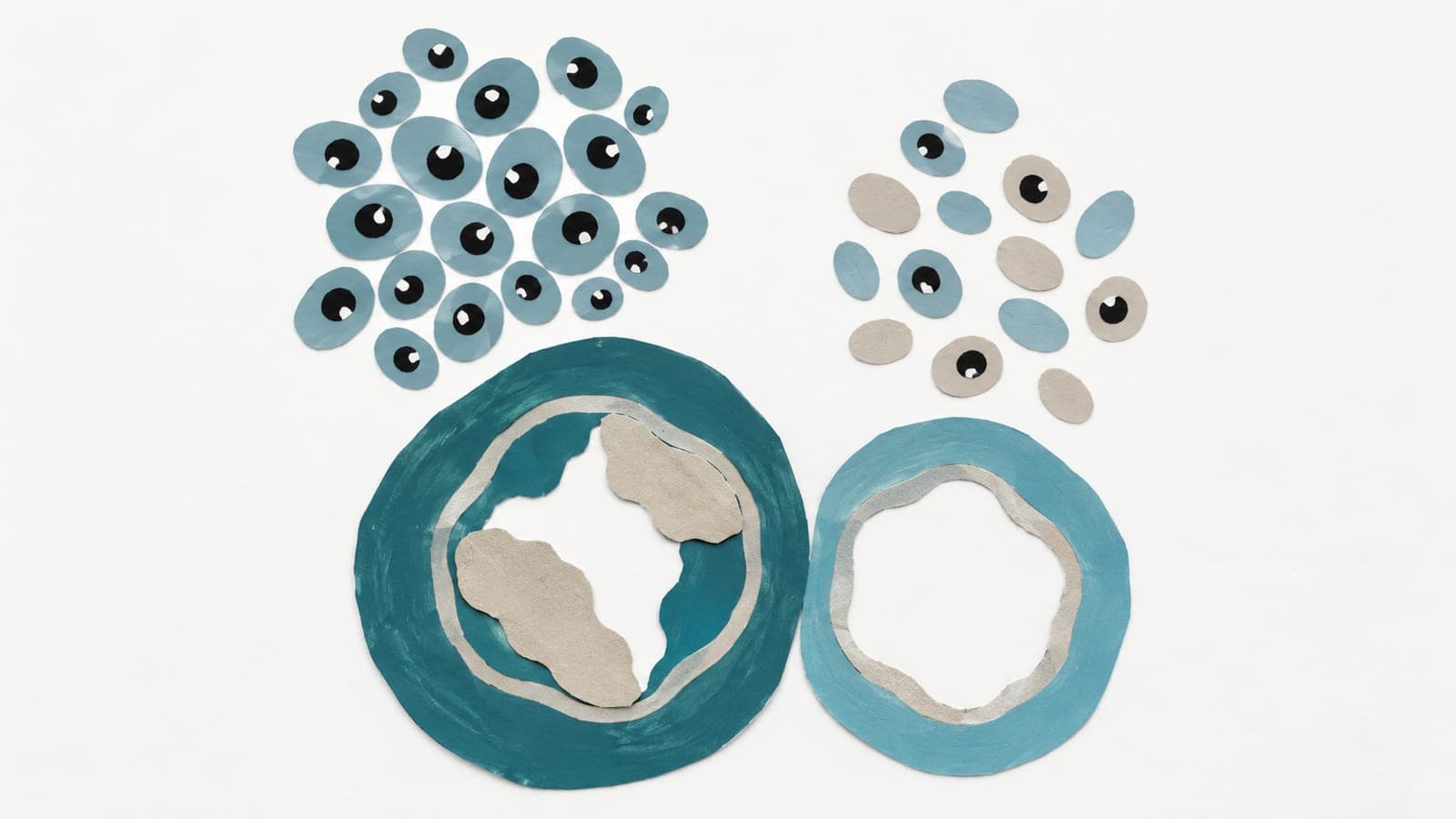
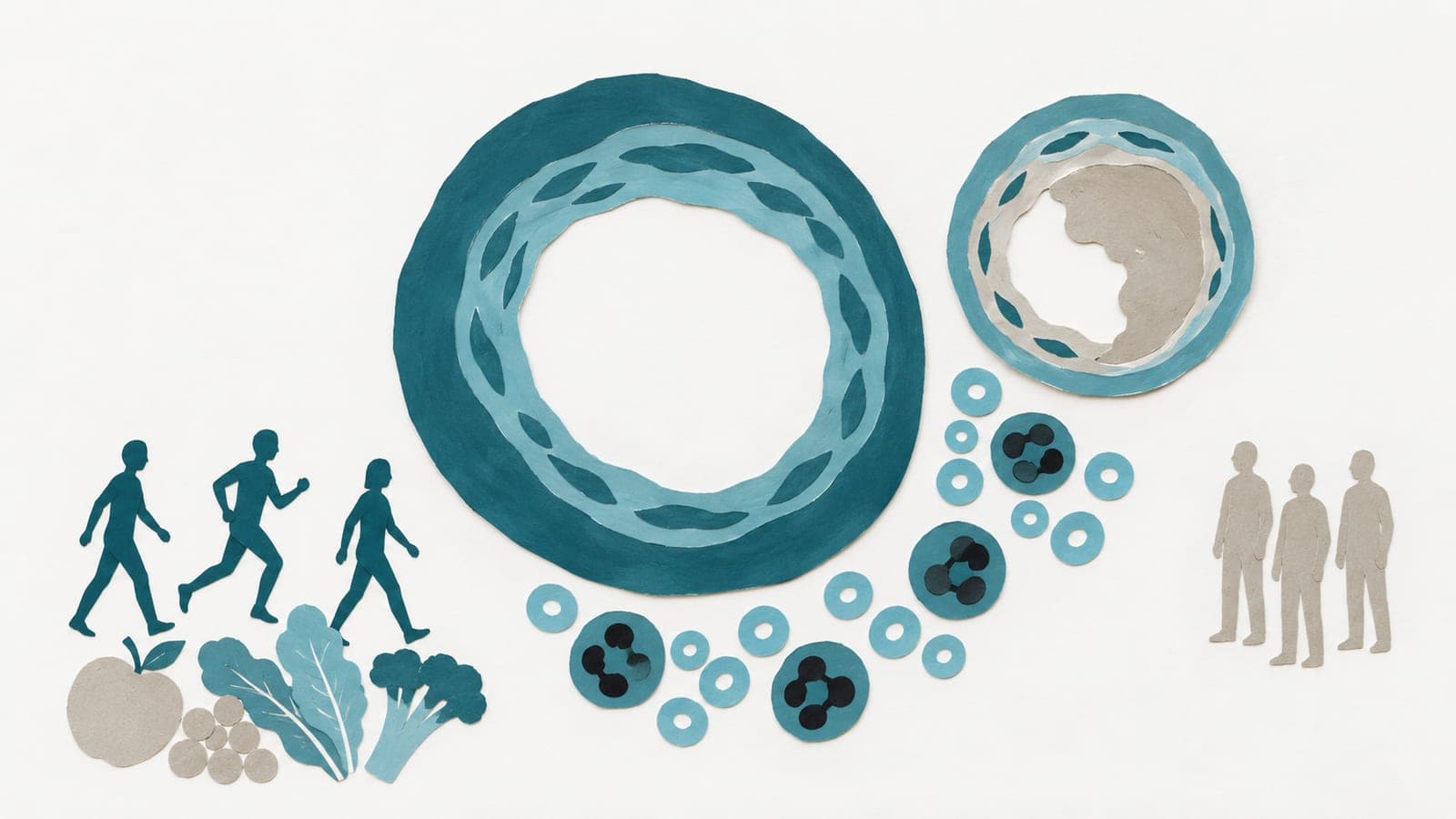
Among 28,312 participants in the MESA extension cohort, an observational study tracked new disease in the arteries supplying the heart over 10 years. DNA sequencing identified clonal hematopoiesis of indeterminate potential, or CHIP, in 4,218 participants. This condition involves groups of blood cells carrying genetic mutations.
Coronary artery disease involving at least 70% narrowing of an artery occurred in 3,847 participants. CHIP remained associated with disease after adjustment for age, sex, race and ethnicity, smoking, diabetes, blood pressure, blood fat levels and other heart-risk measures. The strongest association among CHIP subtypes involved mutations in a gene called TET2. Adding CHIP to a standard heart-risk score improved its ability to distinguish participants who developed disease from those who did not.
Why it matters
CHIP is commonly reported in older adults. The authors supported evaluating screening for it to help guide heart disease prevention.
Caveats
Other differences between participants with and without CHIP may have contributed to the association despite adjustment. Age, sex and racial demographic figures are garbled in the conference abstract, limiting assessment of whom the findings apply to.
The paper
Medstar Georgetown Univ Internal Medicine Baltimore Program; Vanderbilt Univ Med Cntr
AHA Scientific Sessions 2026 Abstract, Nov 2, 2026
Presented at AHA Scientific Sessions 2026, abstract 17468

Comments
Be the first to comment.