Diabetes and obesity rose in US adults with disabilities
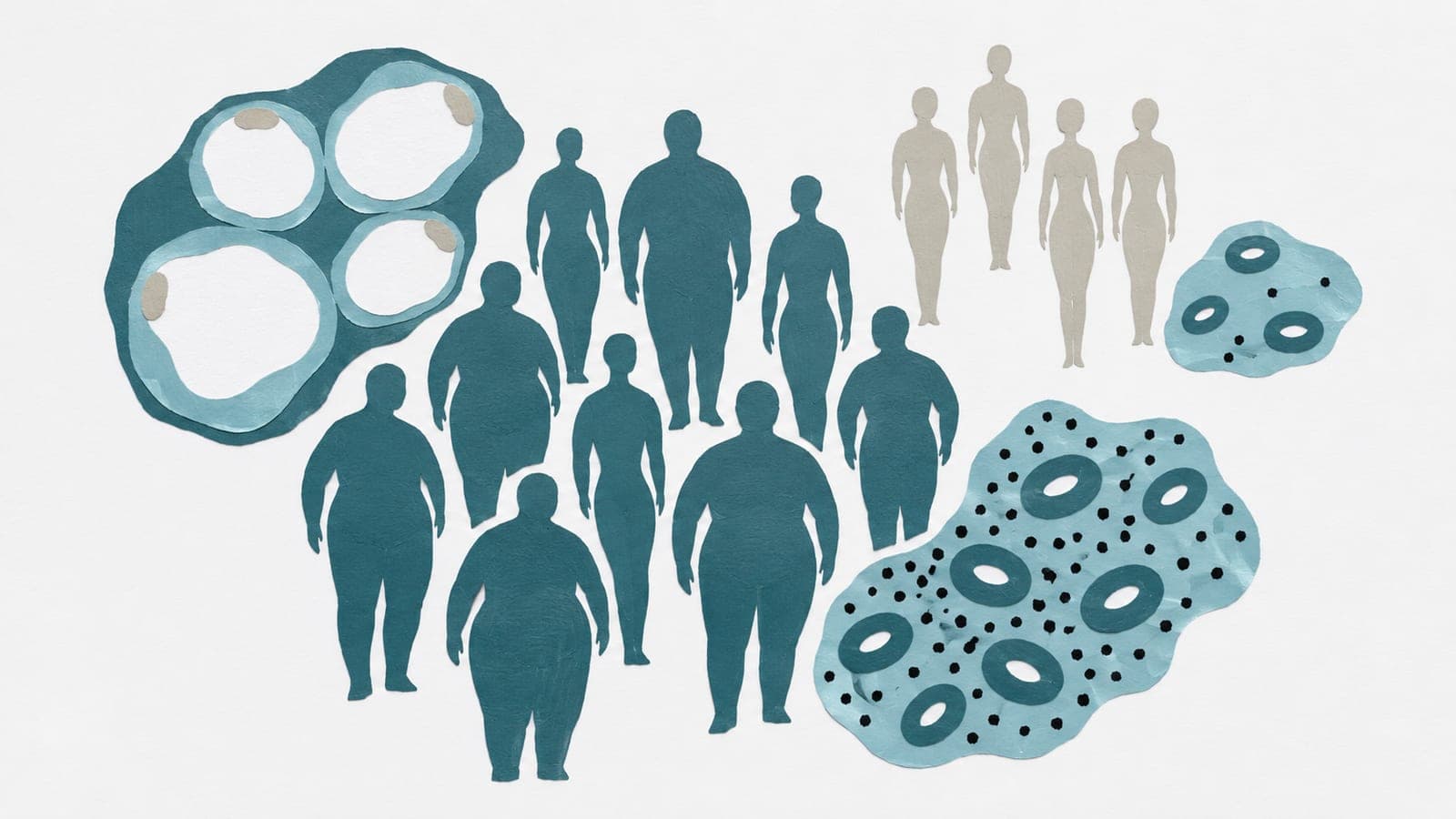
Diabetes prevalence rose from 15.6% in 1999–2000 to 21.4% in 2011–2012 among adults with disabilities, then leveled off near 25% in 2013–2018.
Our read
Populations- Studied:
- Cross-sectional study of 18,158 US adults with disabilities
- What changed:
- Diabetes prevalence among adults with disabilities rose from 15.6% in 1999-2000 to 21.4% in 2011-2012
- The catch:
- The questionnaire used to identify disability changed in 2013, limiting comparisons across periods
- Why it’s aging research:
- It bears on staying healthy in midlife and later life.
Editor of record: Boris Djordjevic · AgingResearch.News
US adults with disabilities accounted for 18,158 of 53,540 participants in a cross-sectional observational analysis of repeated national health surveys from 1999 through 2018. Researchers analyzed trends separately for two periods, accounting for differences in age.
Diabetes and obesity became more common during 1999–2012, then leveled off near 25% and 49%, respectively, during 2013–2018. High cholesterol rose in the earlier period and declined in the later one. High blood pressure affected roughly half of adults with disabilities throughout. Smoking stayed near 24% among adults with disabilities while declining among those without disabilities. The smoking gap between the groups widened from 6.6 to 15.7 percentage points.
Why it matters
Preventing cardiovascular disease is part of maintaining health with age. The authors called for prevention guidelines that include people with disabilities and targeted help to quit smoking.
Caveats
The surveys sampled adults at different times rather than tracking changes within individuals, and the questionnaire used to identify disability changed in 2013. The findings were reported in a conference abstract.
The paper
Mount Auburn Hospital; Lahey Hospital and Medical Center
AHA Scientific Sessions 2026 Abstract, Nov 2, 2026
Presented at AHA Scientific Sessions 2026, abstract 16728



Comments
Be the first to comment.