Artery calcium predicted cardiovascular events across body sizes
With no coronary artery calcium, more severe obesity was linked to a 35–58% higher adjusted relative risk of major cardiovascular events than normal weight.
Our read
Populations- Studied:
- Cohort study of 178,525 adults without known cardiovascular disease, median 2.6 years (Multicenter)
- What changed:
- Higher artery calcium levels were linked to more cardiovascular events across all body sizes
- The catch:
- Uncaptured differences in care between weight and calcium groups could affect cardiovascular event risk
- In the record:
- The 1,629th paper on body mass index with results in people; 8,439 on record in all.
- Why it’s aging research:
- It bears on staying healthy in midlife and later life.
Editor of record: Boris Djordjevic · AgingResearch.News
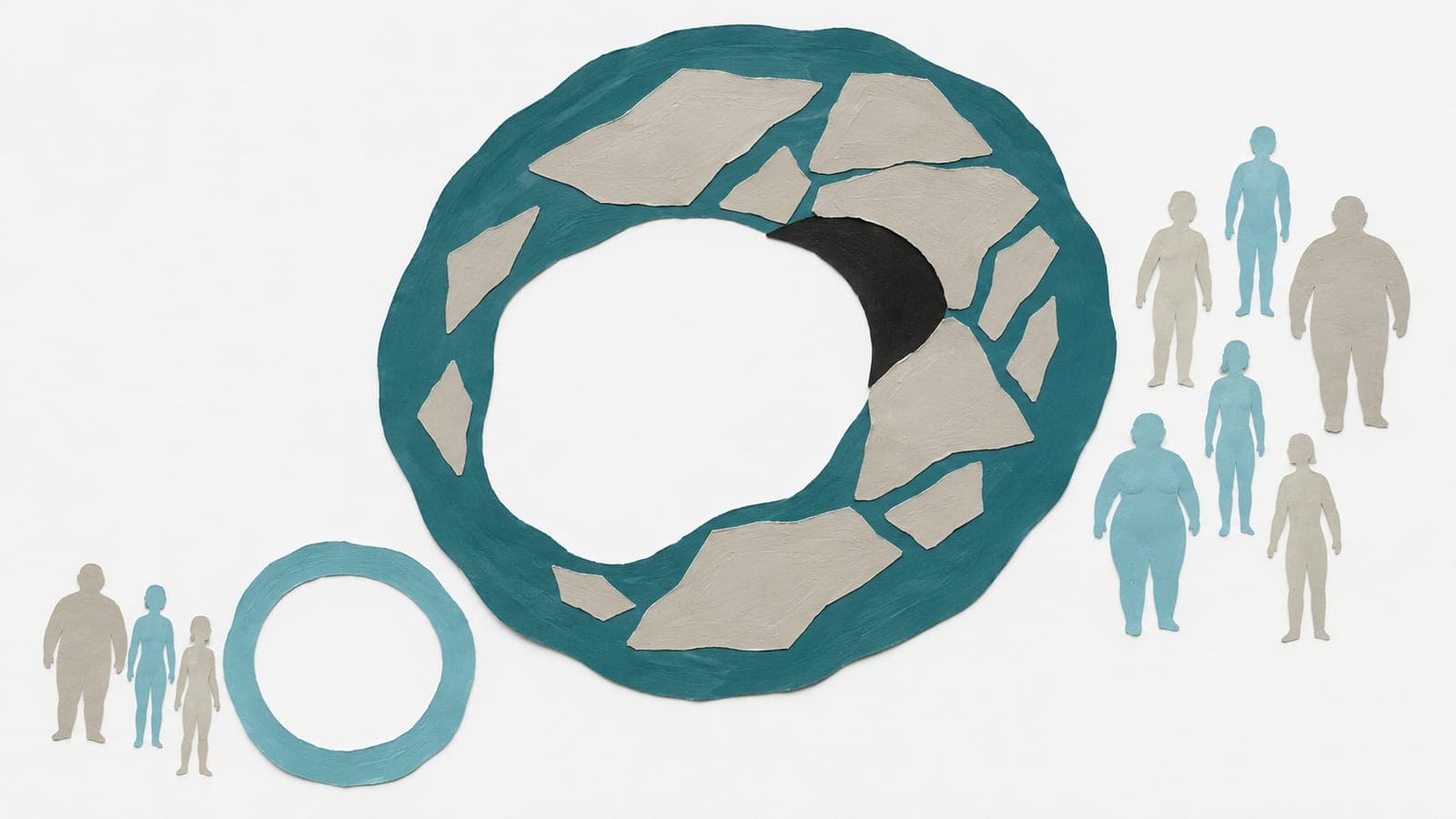
The 178,525 adults in this prospective cohort study had no known cardiovascular disease, averaged 59 years of age, and were 53% female. Participants in the multicenter CLARIFY registry underwent screening for calcium in the heart’s arteries, a sign of accumulated plaque. Researchers grouped them by calcium level and body mass index, a measure of weight relative to height.
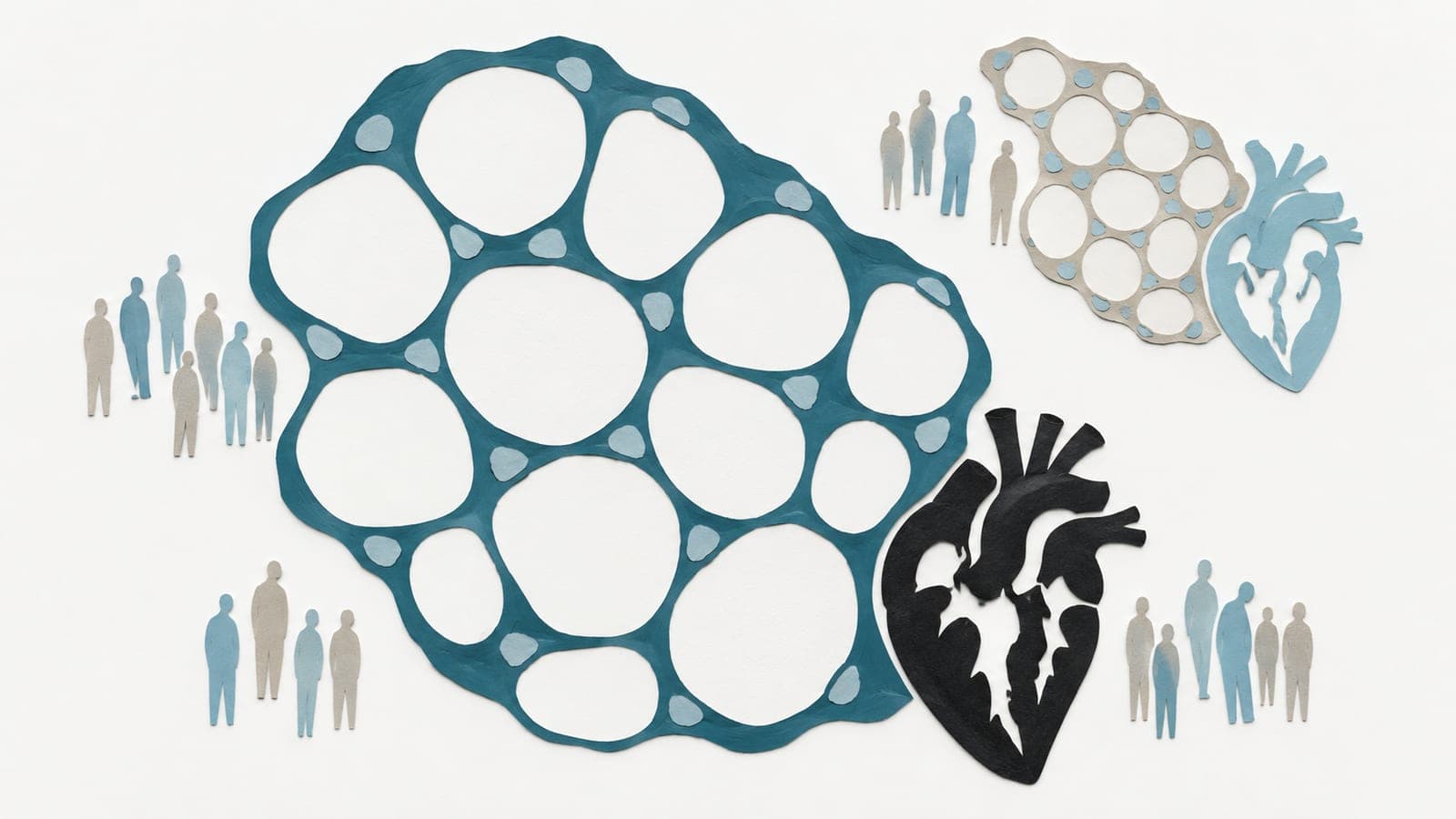
Over a median follow-up of 2.6 years, 8,922 major cardiovascular events occurred. The analysis counted events more than six months after screening and adjusted for other cardiovascular risk factors and preventive medication use. Higher calcium levels were linked to more events across all body sizes. Obesity-related risk differences diminished as calcium levels rose. At the highest calcium level, the estimates remained compatible with no risk difference between body mass index categories.
Why it matters
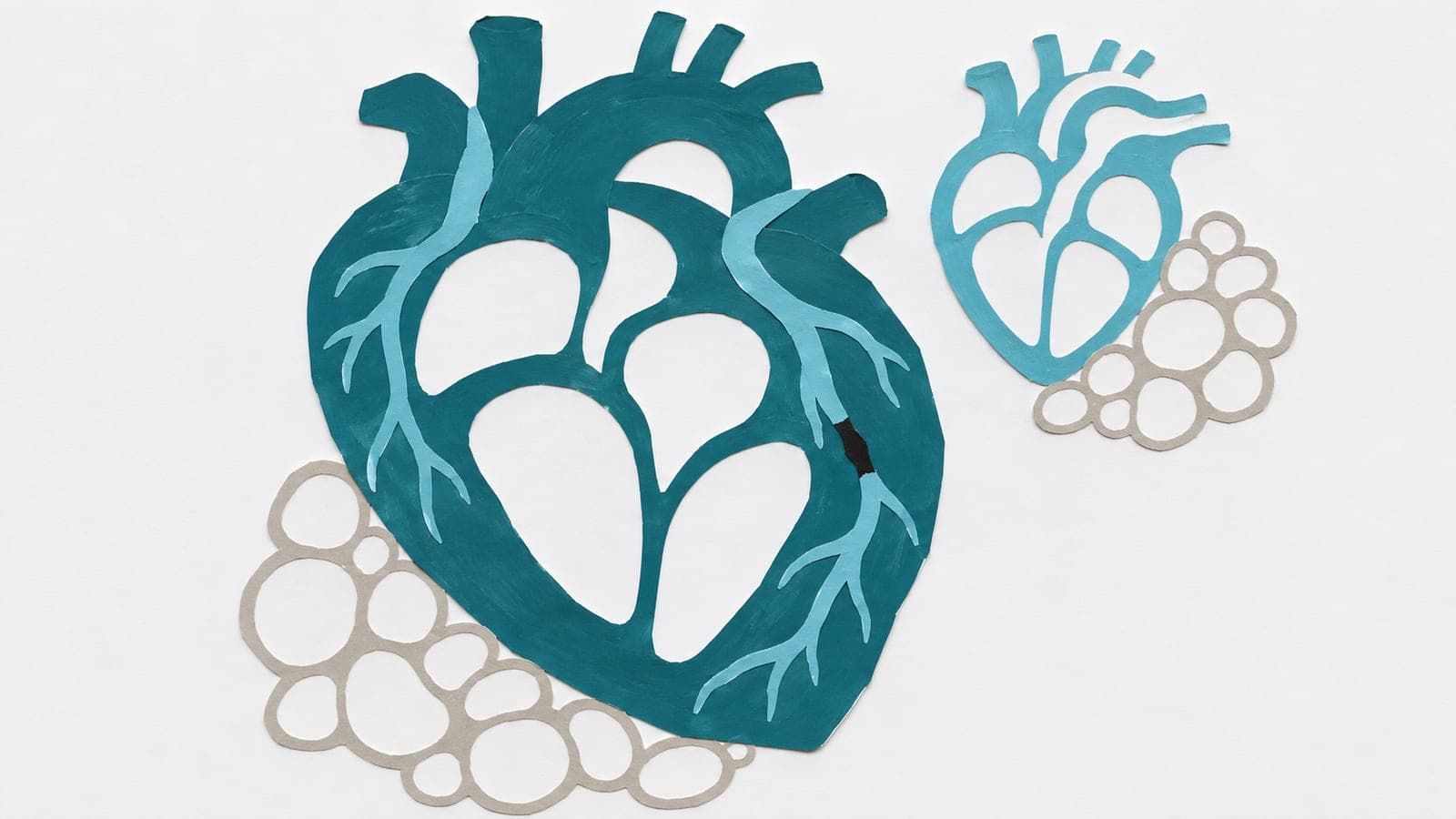
Cardiovascular disease becomes more common with age. These findings inform how risk assessments weigh body size alongside accumulated plaque in the heart’s arteries.
Caveats
People in different weight and calcium groups may also have differed in health or care in ways the analysis did not capture. The conference abstract covered adults without known cardiovascular disease, so the findings do not address people already diagnosed with it.
The paper
Case Western Reserve University
AHA Scientific Sessions 2026 Abstract, Nov 2, 2026
Presented at AHA Scientific Sessions 2026, abstract 14800


Comments
Be the first to comment.