Diabetes not linked to more cases of aortic valve calcium
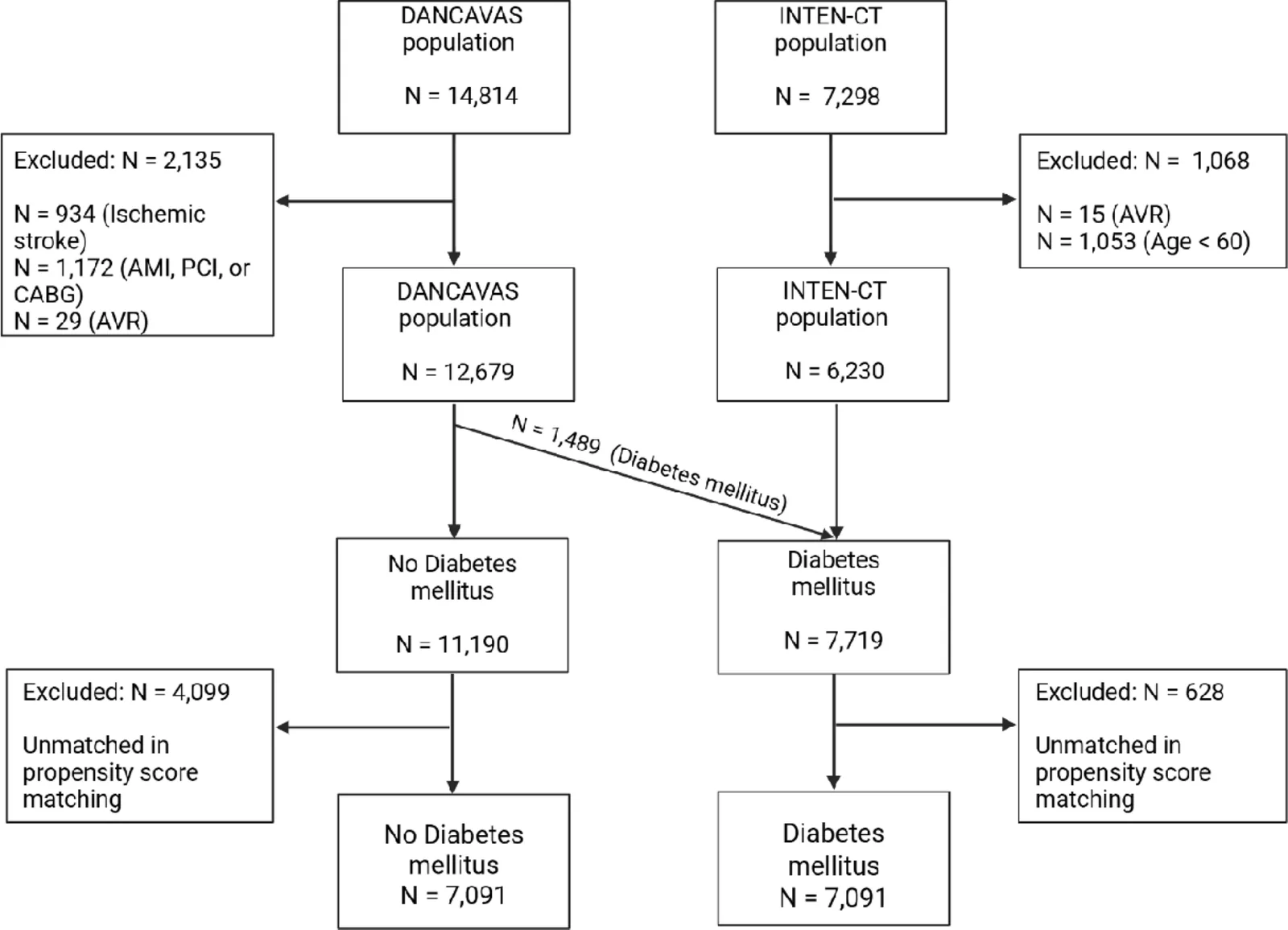
Valve calcium was present in 54% of participants without diabetes and 52% with it in a cross-sectional study of 14,182 adults.
Our read
Populations- Studied:
- Cross-sectional study of 14,182 individuals without known cardiovascular disease (Multicenter, registered NCT03946410)
- What changed:
- Aortic valve calcification was present in 52% of individuals with diabetes against 54% without diabetes
- The catch:
- Differences in study design, recruitment strategies, and recruitment periods between cohorts risk residual confounding
- Stake:
- Novo Nordisk funded the study; authors hold shares in it.
- In the record:
- The 726th paper on statins with results in people; 1,935 on record in all.
- Why it’s aging research:
- It bears on staying healthy in midlife and later life.
Editor of record: Boris Djordjevic · AgingResearch.News
A cross-sectional study of 14,182 adults aged 60 to 74 without known cardiovascular disease found that diabetes was not associated with more frequent aortic valve calcification. This is calcium buildup on the valve controlling blood flow from the heart into the body’s main artery.
Participants were predominantly men and came from two large cohorts. Researchers used heart CT scans to detect valve calcium. They matched participants with and without diabetes into 7,091 pairs based on measured risk factors. The finding persisted after adjustment for other factors. Several cardiovascular risk factors, including high blood pressure and smoking, were independently associated with a higher prevalence of valve calcium.
Why it matters
For valve calcification in older adults, the authors suggested that previously reported links with diabetes may partly reflect accompanying cardiovascular risk factors rather than diabetes itself.
Caveats
The cross-sectional design cannot establish cause and effect. The results may not apply to adults outside the 60-to-74 age range or people with known cardiovascular disease.
From the paper
- Participants
Resulting in 11 190 participants in the non-DM group and 7719 participants in the DM group, respectively, prior to propensity score matching.
- Result
… DM was not associated with higher prevalence of AVC (OR 0.90, 95% CI 0.85-0.97, p=0.003), while univariate analysis identified older age, male sex, higher BMI, hypertension, higher LDL cholesterol, smoking, impaired renal function and statin use as associated with higher presence of AVC.
- Limitation
However, due to the cross-sectional design of our study, causal relationships cannot be established.
Quoted word for word from the full text on PubMed Central.
- Statins
- Aortic valve calcification
- Diabetes mellitus
- Aortic valve calcification score
- Body mass index
- Humans

Comments
Be the first to comment.