Teen movement habits linked to lower diabetes and obesity risk
Modeled adherence to all recommendations was linked to adult diabetes risk 2.6 percentage points lower and obesity risk 5.9 percentage points lower than observed.
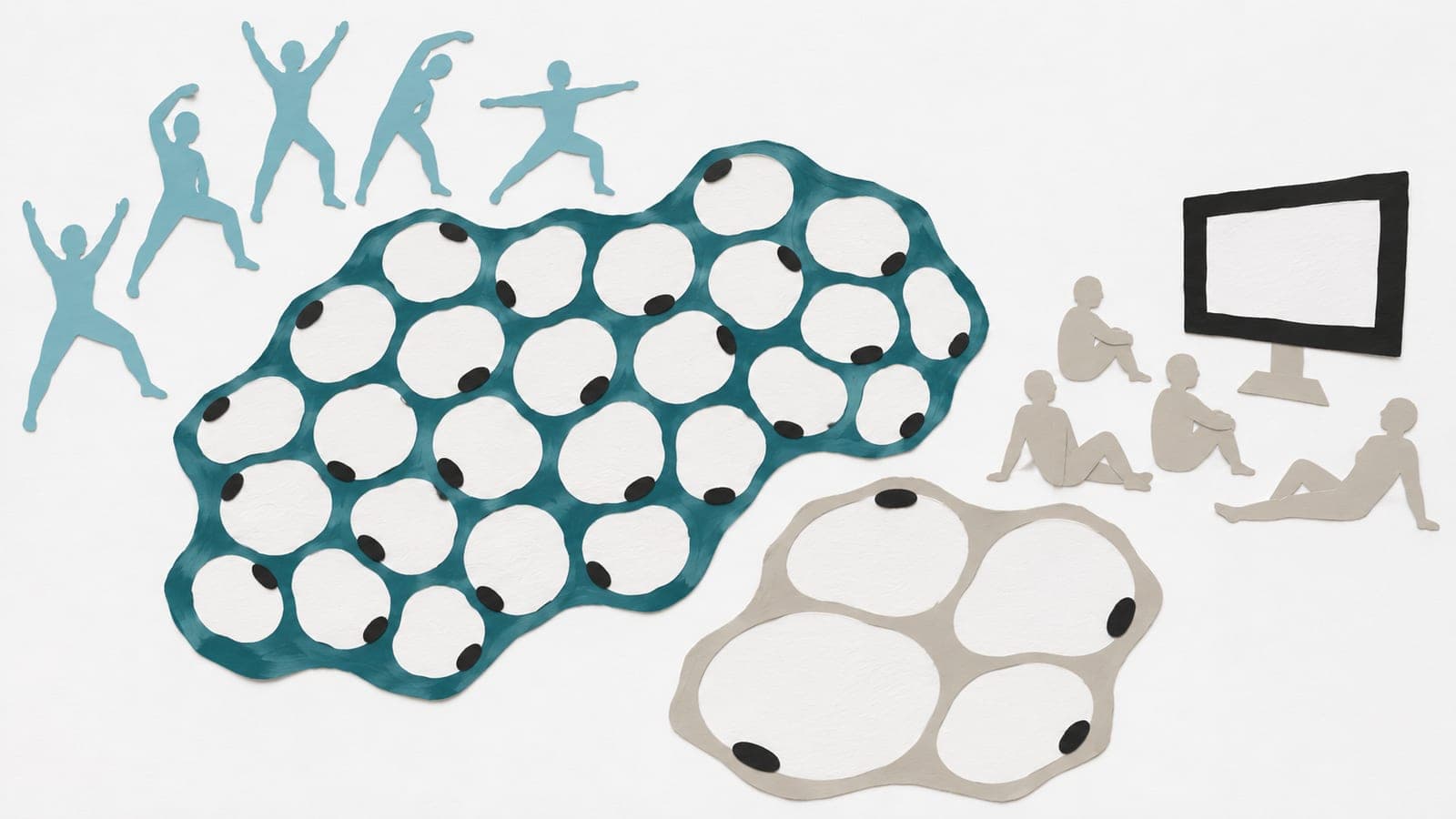
Our read
Populations- Studied:
- Cohort study of 6,516 adolescents from the Add Health cohort, against observed population
- What changed:
- Modeled adherence to all movement recommendations was linked to adult diabetes risk 2.6 percentage points lower than observed
- The catch:
- Self-reported activity, screen time, and sleep could misclassify adherence
- Why it’s aging research:
- It bears on staying healthy in midlife and later life.
Editor of record: Boris Djordjevic · AgingResearch.News
The 6,516 adolescents aged 12–17 in the Add Health cohort were followed for an average of 22 years in an observational study that modeled a trial rather than conducting one. Participants reported physical activity, recreational screen time and sleep at ages 12–17 and 18–24. Adult outcomes were assessed at ages 33–41 using biological measurements and reported medication use.
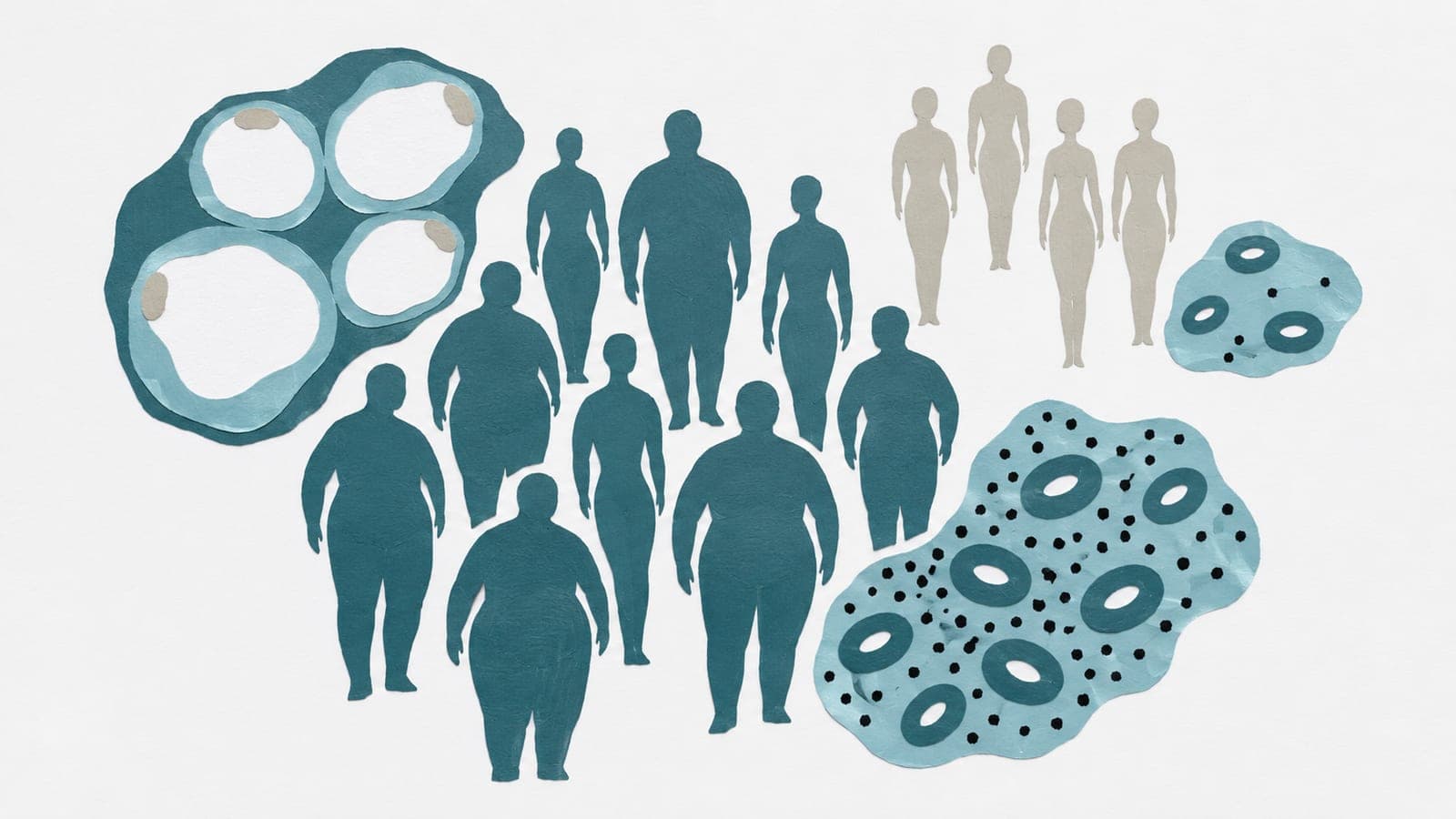
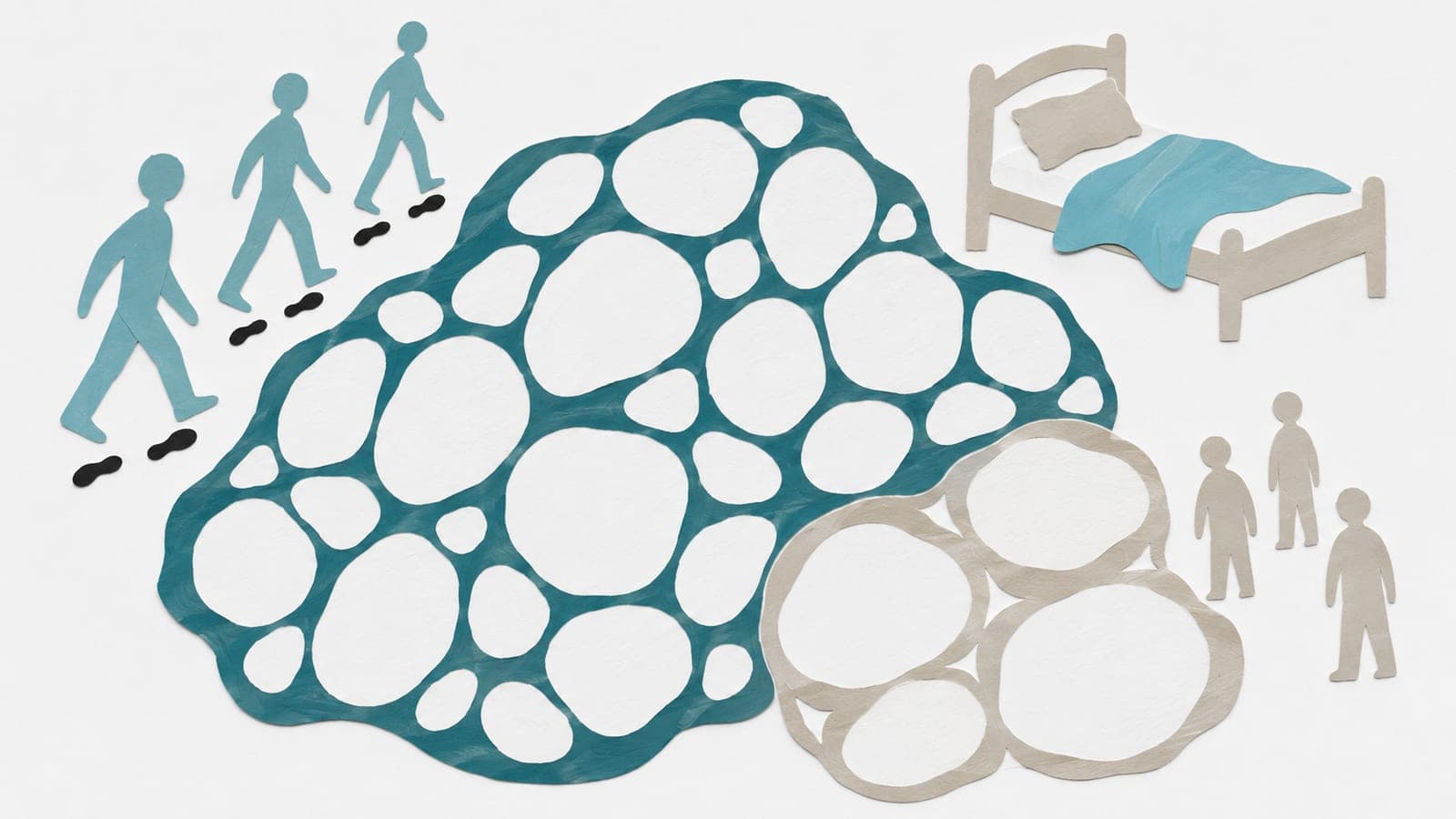
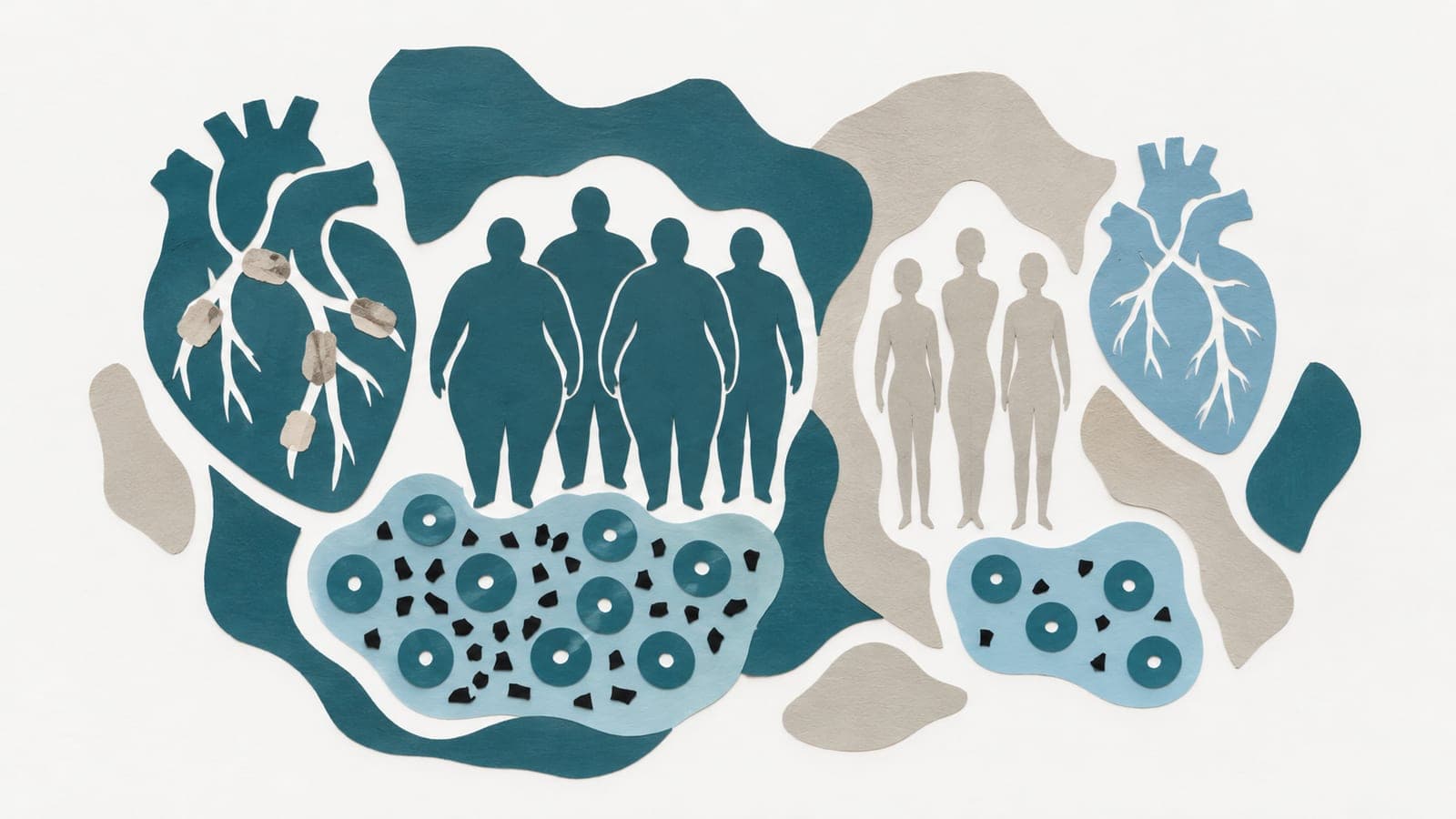
The researchers compared observed risks with modeled risks if participants had met age-specific Canadian recommendations for all three behaviors at both assessments. Meeting all recommendations was associated with lower estimated diabetes and obesity risks. Results for high blood fats and high blood pressure were inconclusive. Following sleep recommendations alone made little difference to modeled risks.
Why it matters
The authors suggest that efforts to prevent diabetes and obesity later in life should include promoting healthy movement habits during adolescence.
Caveats
The analysis modeled changes in self-reported behaviors rather than assigning people to change them. Other differences between people who met recommendations and those who did not could have contributed to the estimated links.
- Recreational screen time
- Adherence to the canadian 24-hour movement guidelines
- Moderate-to-vigorous physical activity
- Diabetes mellitus
- Obesity
- Humans
The paper
University of Toronto; University of Fribourg
AHA Scientific Sessions 2026 Abstract, Nov 2, 2026
Presented at AHA Scientific Sessions 2026, abstract 10327
Comments
Be the first to comment.