HDAC2 inhibition restores H4K16ac and delays senescence in HGPS VSMCs
Abstract
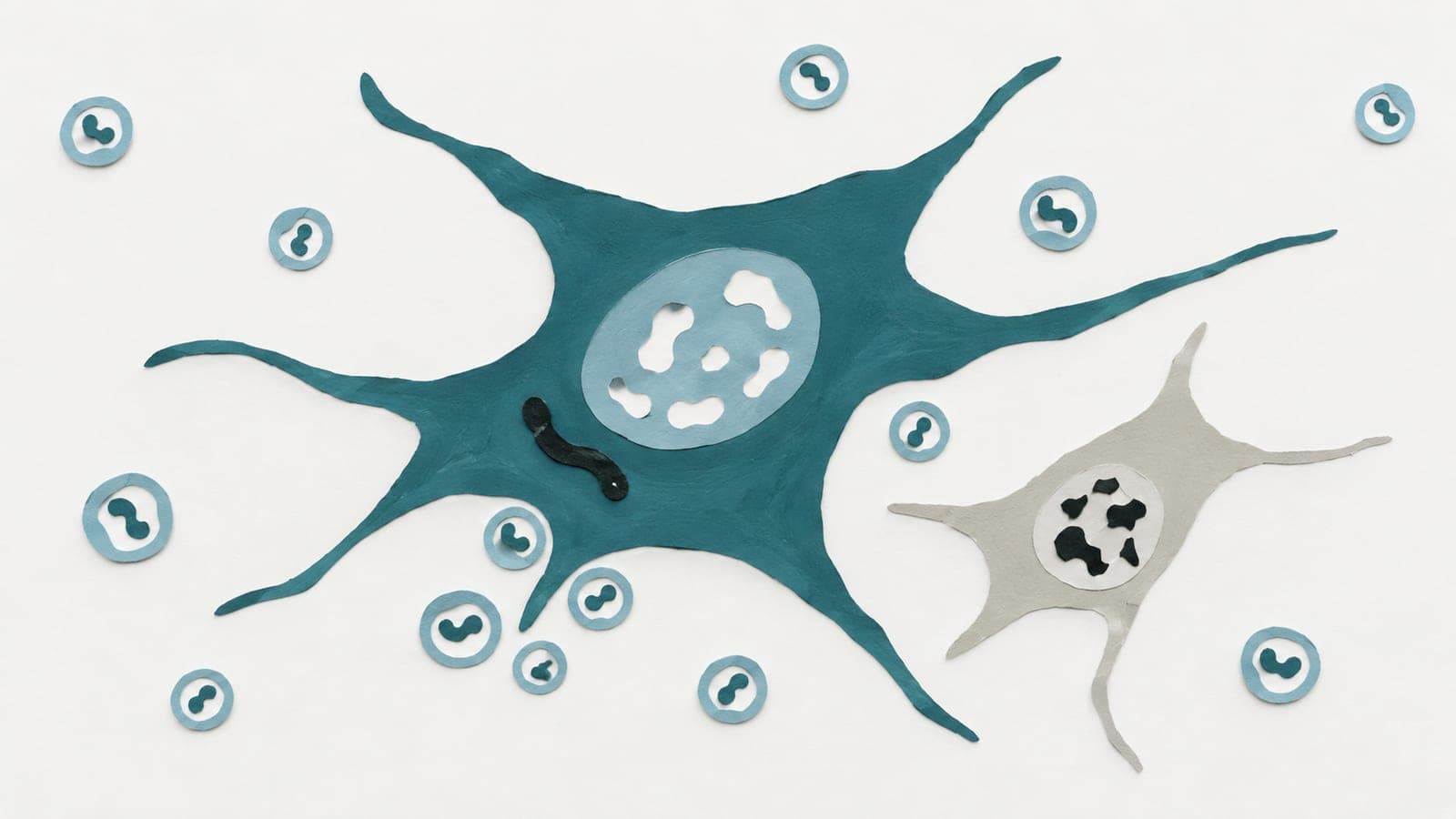
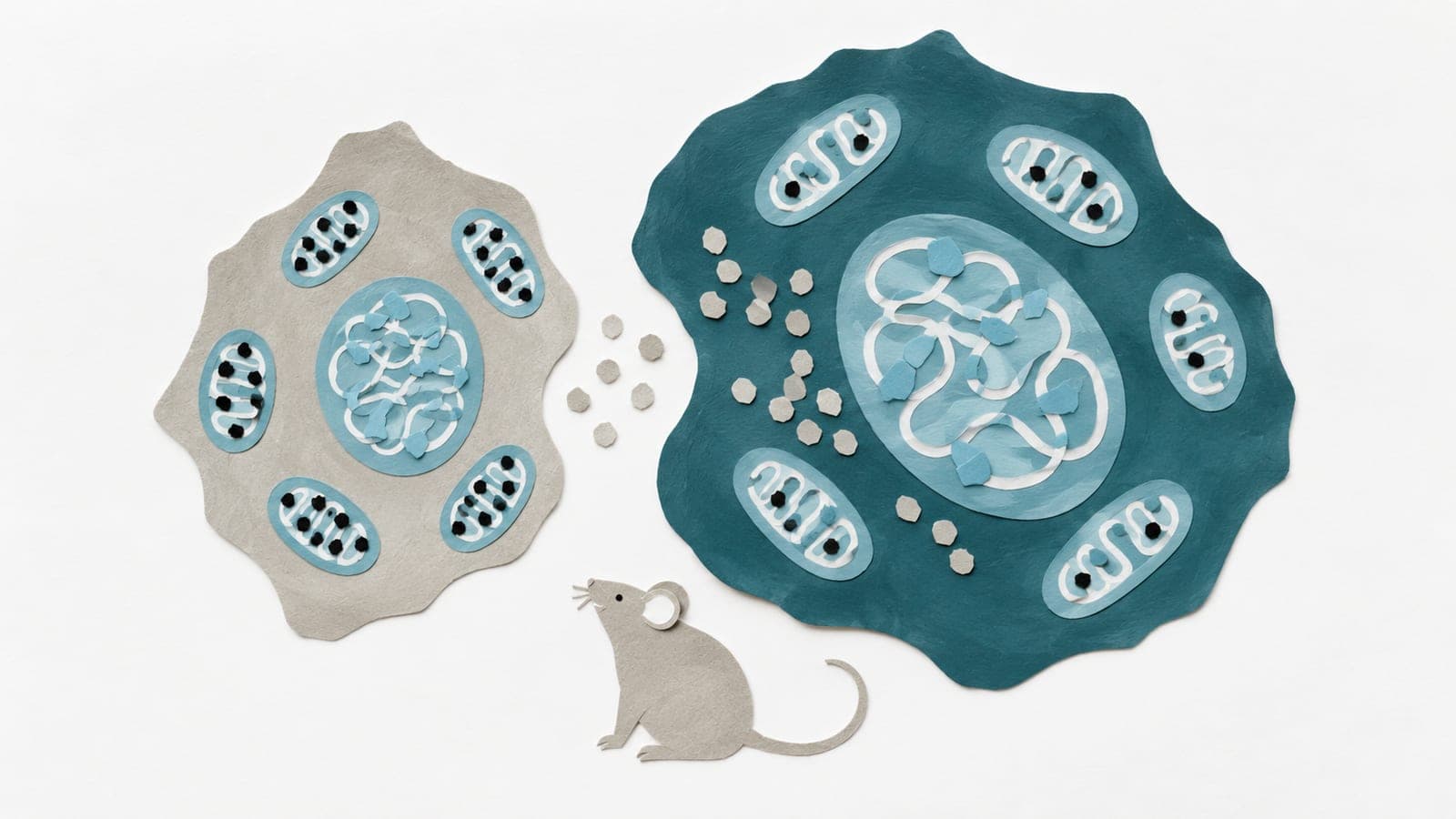
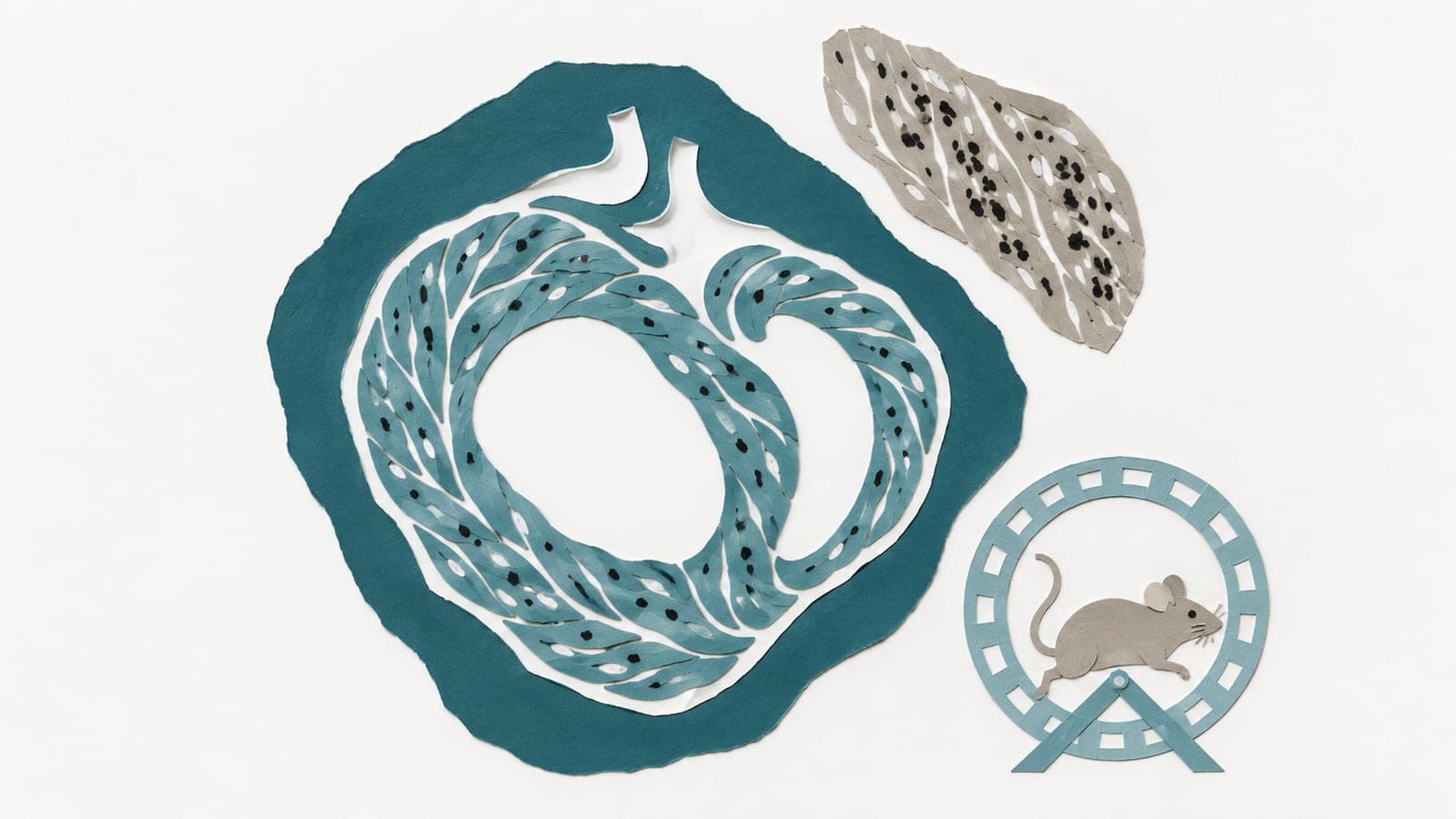
Summary Histone H4 lysine 16 acetylation (H4K16ac) controls chromatin compaction, replication-coupled chromatin maturation and double-strand break repair, and is depleted in Hutchinson–Gilford progeria syndrome (HGPS) vascular smooth muscle cells (VSMCs). To identify the enzymes that set steady-state H4K16ac, we depleted KAT5, KAT8, all eleven zinc-dependent HDACs and all seven sirtuins in HeLa and U2OS cells, then in unaffected control and HGPS VSMCs. KAT8 depletion markedly reduced H4K16ac; KAT5 depletion had little effect. Among erasers, HDAC2 was dominant: its depletion or overexpression bidirectionally modulated H4K16ac, HDAC1 did neither, and SIRT1 depletion raised H4K16ac in these lines but far less in HGPS VSMCs. HDAC2-directed inhibitors (BRD4884, MI192, Santacruzamate A) restored H4K16ac in HGPS VSMCs, whereas the SIRT1 inhibitor EX527 did not. They also improved nuclear architecture, reduced γH2AX signaling, preserved Ki67 positivity across serial passage, and limited senescence-associated β-galactosidase accumulation. HDAC2 is therefore the predominant class I regulator of steady-state H4K16ac and a candidate target for limiting senescence in HGPS VSMCs.
The paper
University of Alberta
bioRxiv, 7 Nov 2025, CC BY-NC, Preprint, not peer-reviewed