Older mice with brain tumors had poorer immune-cell drainage
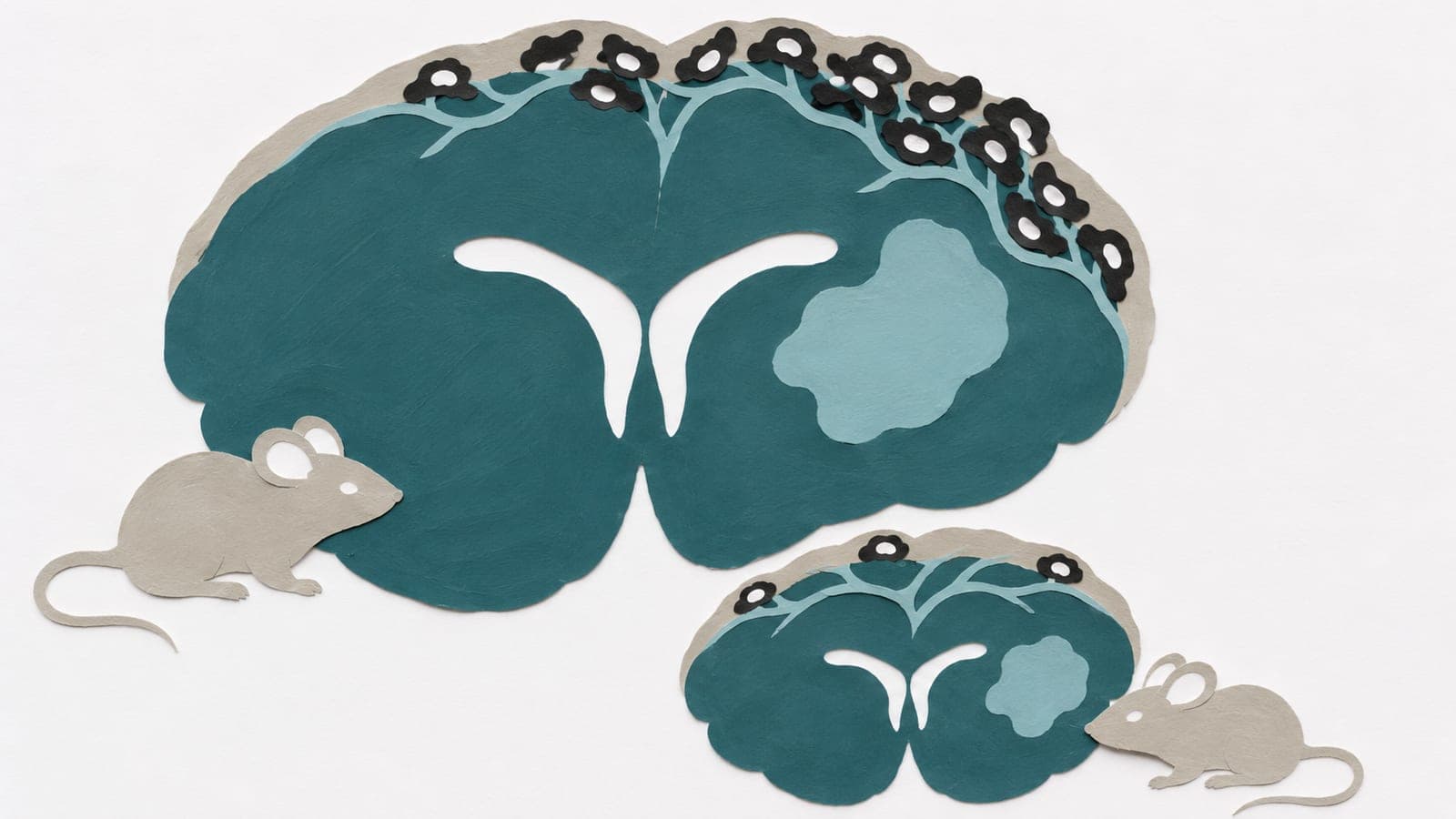
Brain-tumor experiments compared mice aged 85–90 weeks with mice aged 6–8 weeks; older mice had shorter survival and signs suggesting impaired drainage around the brain.
Our read
Mechanisms- Studied:
- Experiments in aged mice with implanted glioblastoma, against young mice
- What changed:
- Older tumor-bearing mice accumulated more bead-carrying immune cells around the brain than young mice
- The catch:
- Immune-cell buildup and VEGFR3 expression served as indirect indicators of impaired drainage
Editor of record: Boris Djordjevic · AgingResearch.News
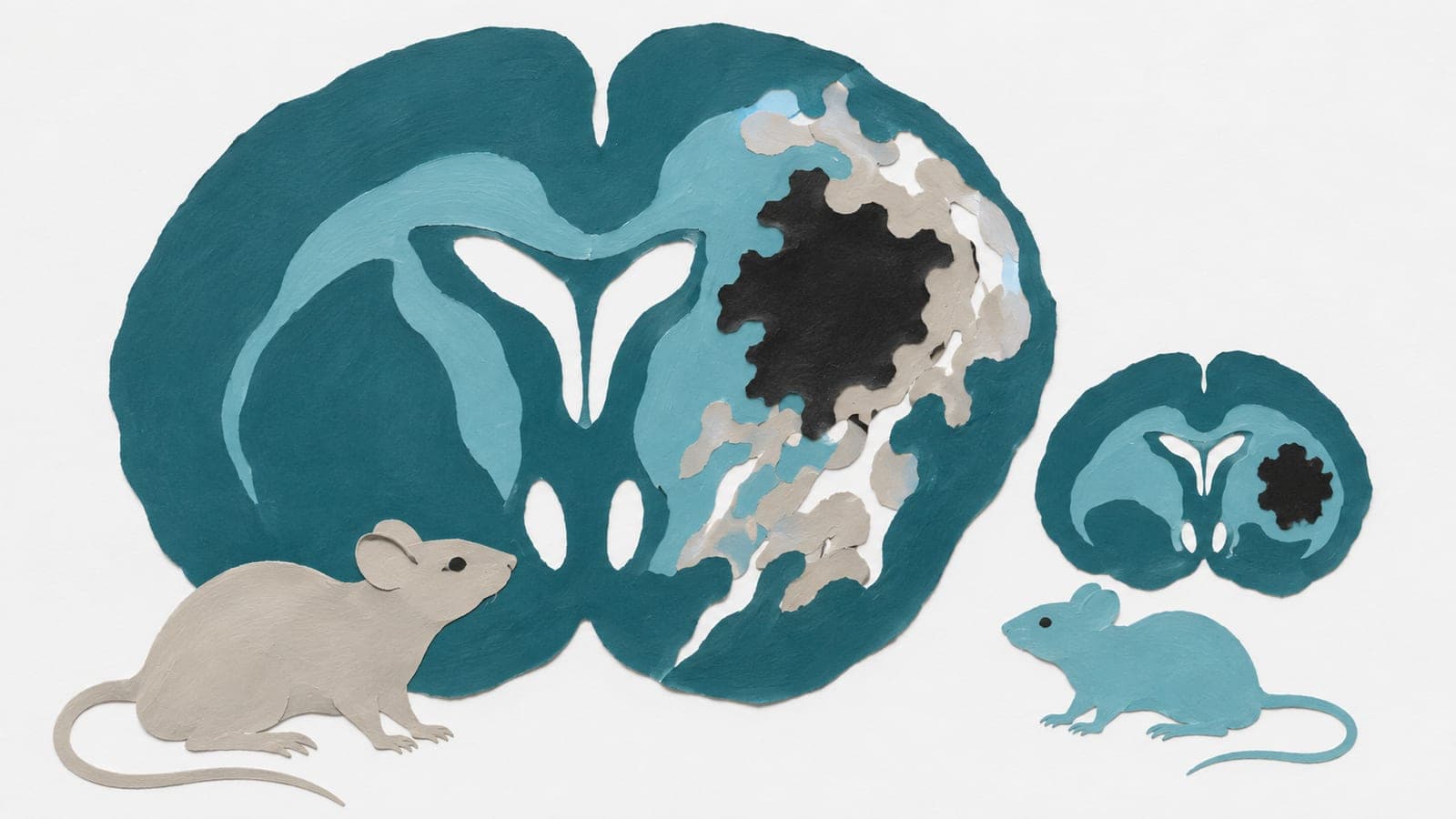
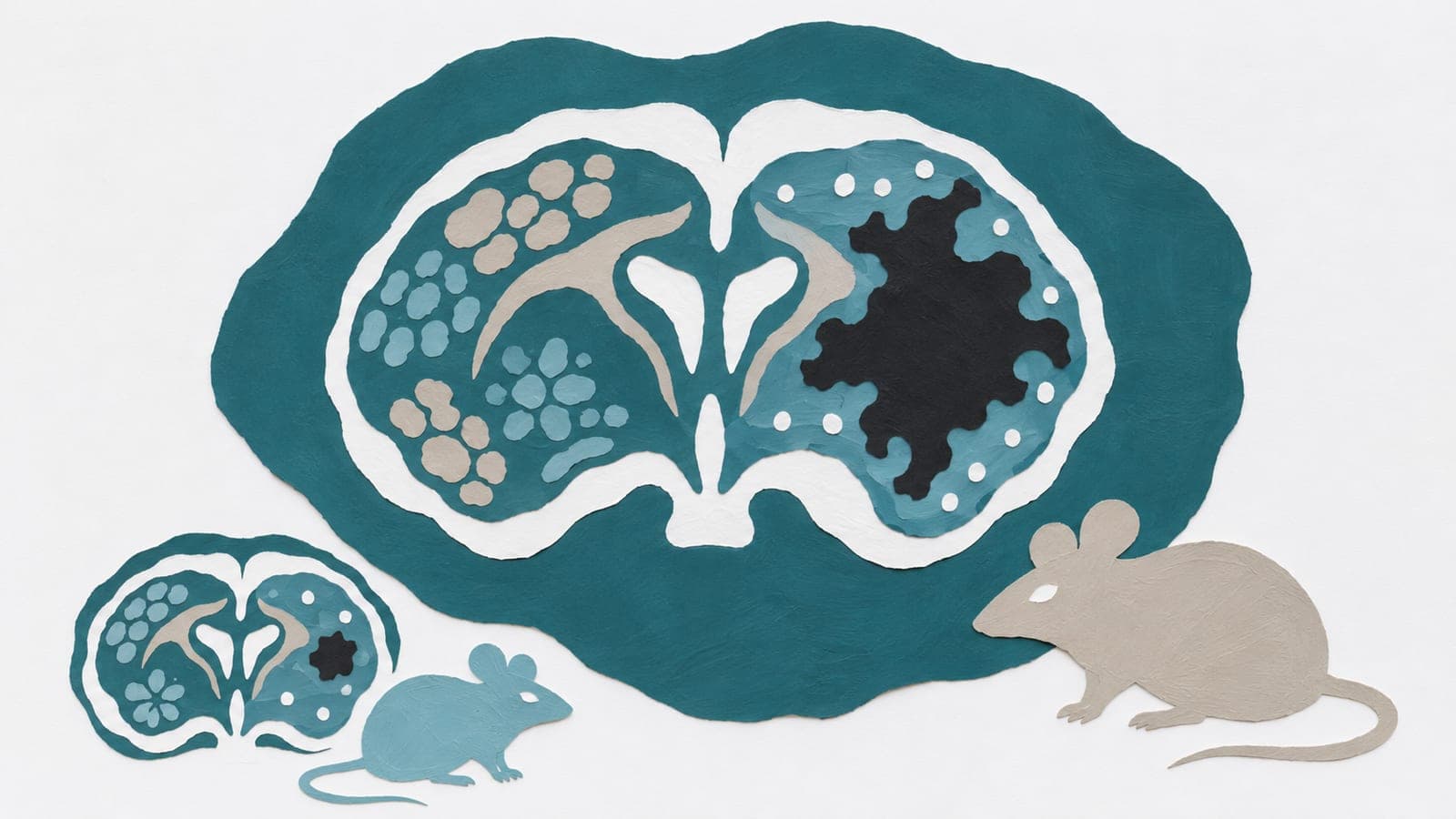
Mice aged 85–90 weeks received brain implants of glioblastoma, a type of brain tumor, in animal experiments comparing them with mice aged 6–8 weeks. Older tumor-bearing mice survived for less time. After fluorescent beads were injected into tumors, bead-carrying immune cells accumulated in the membranes around older mice’s brains. Older mice also had lower levels of a protein involved in lymphatic drainage, suggesting that this route for carrying immune cells toward lymph nodes was impaired.
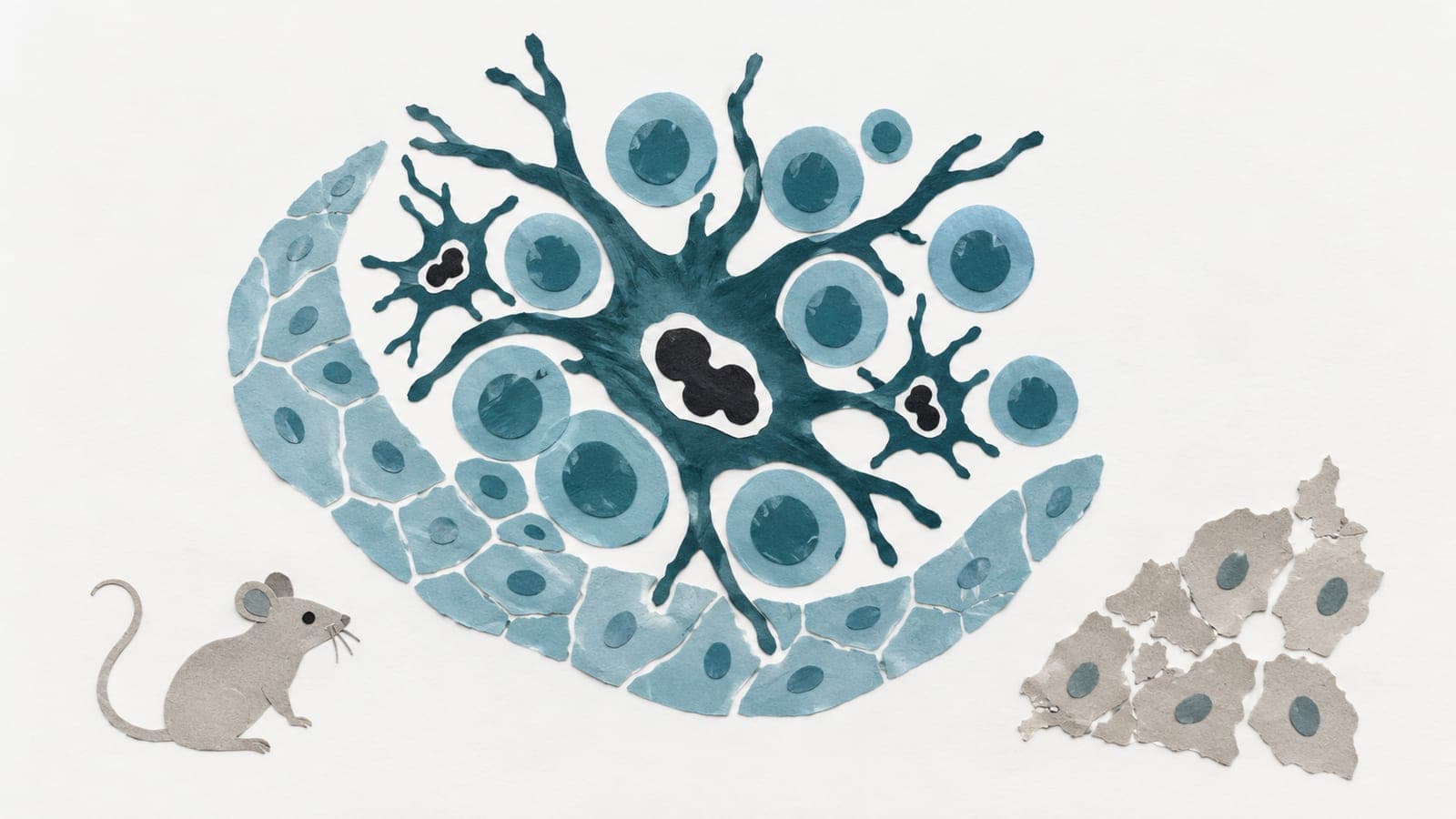
Separately, dendritic cells—immune cells that help activate T cells—were tested as vaccines. Vaccine cells from older mice efficiently activated T cells in lab tests. However, older mice had fewer naïve T cells, which have not yet encountered their target. The authors suggested that this decrease could affect vaccine function in the animals.
Why it matters
Glioblastoma commonly appears in older adults. The findings raise questions about how aging of the brain’s drainage system may affect immune responses against tumors.
Caveats
The drainage measurements and survival comparison left open whether impaired drainage contributed to earlier deaths or accompanied other changes in older mice. The experiments used implanted tumors in mice, not glioblastoma in people.
Where the evidence stands
Immune response
- 304 independent labs in 46 countries
- 30 findings against
- Funders: National Institutes of Health and others
- 84 of 550 findings with company ties
Comments
Be the first to comment.