Candidate brain cancer starter cells isolated from older mice
Laboratory experiments found dormant cells in elderly mice’s outer brain layer, and genetically altered cells became capable of forming tumors after a change in growth factors.
Our read
Mechanisms- Studied:
- Experiments in cortical cells from elderly mice
- What changed:
- Isolated cortical cells lacking p53 became capable of forming tumors after a growth-factor switch
- The catch:
- The tumor-forming result used p53-deficient cells, not unaltered cortical cells
Editor of record: Boris Djordjevic · AgingResearch.News
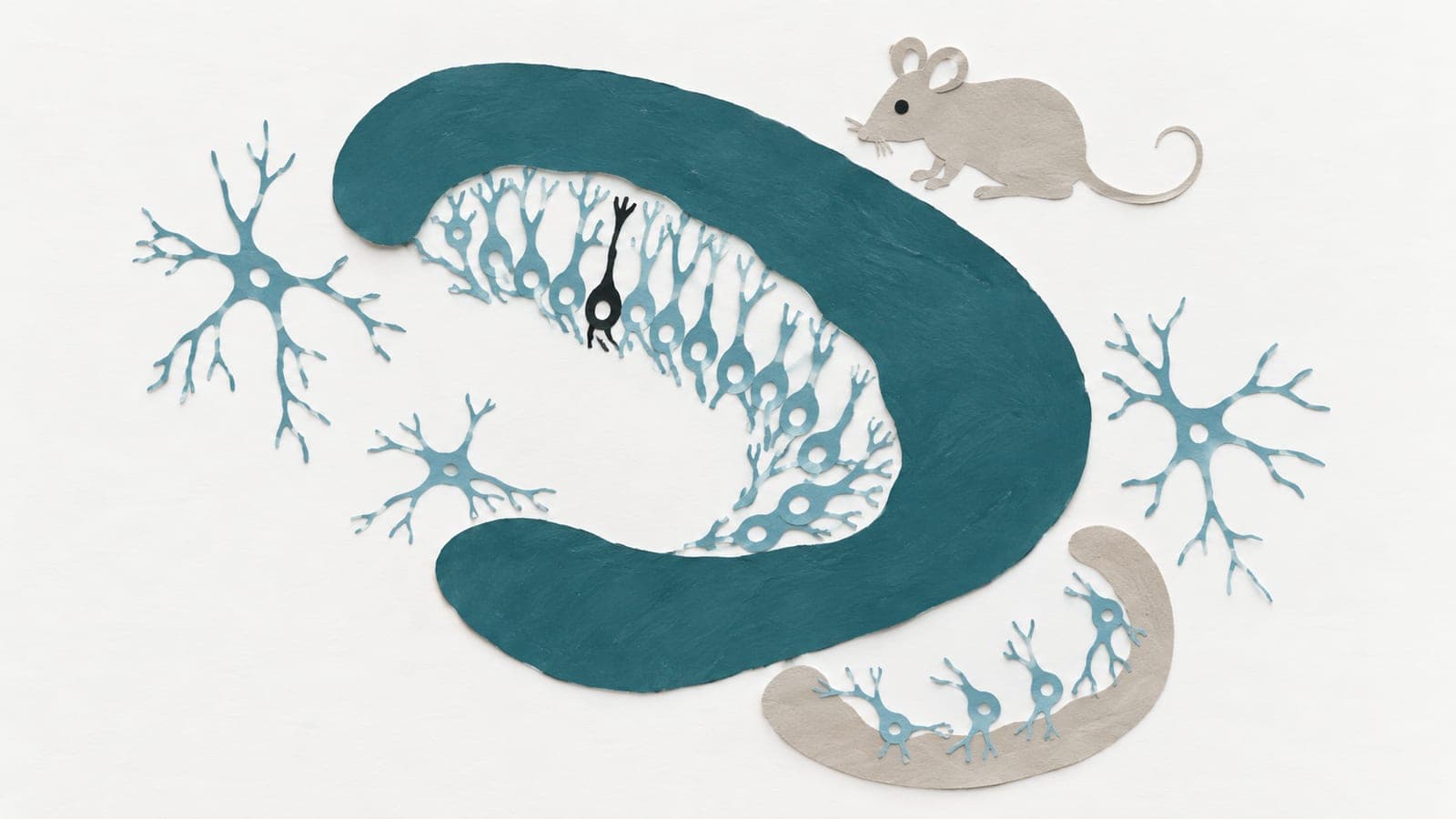
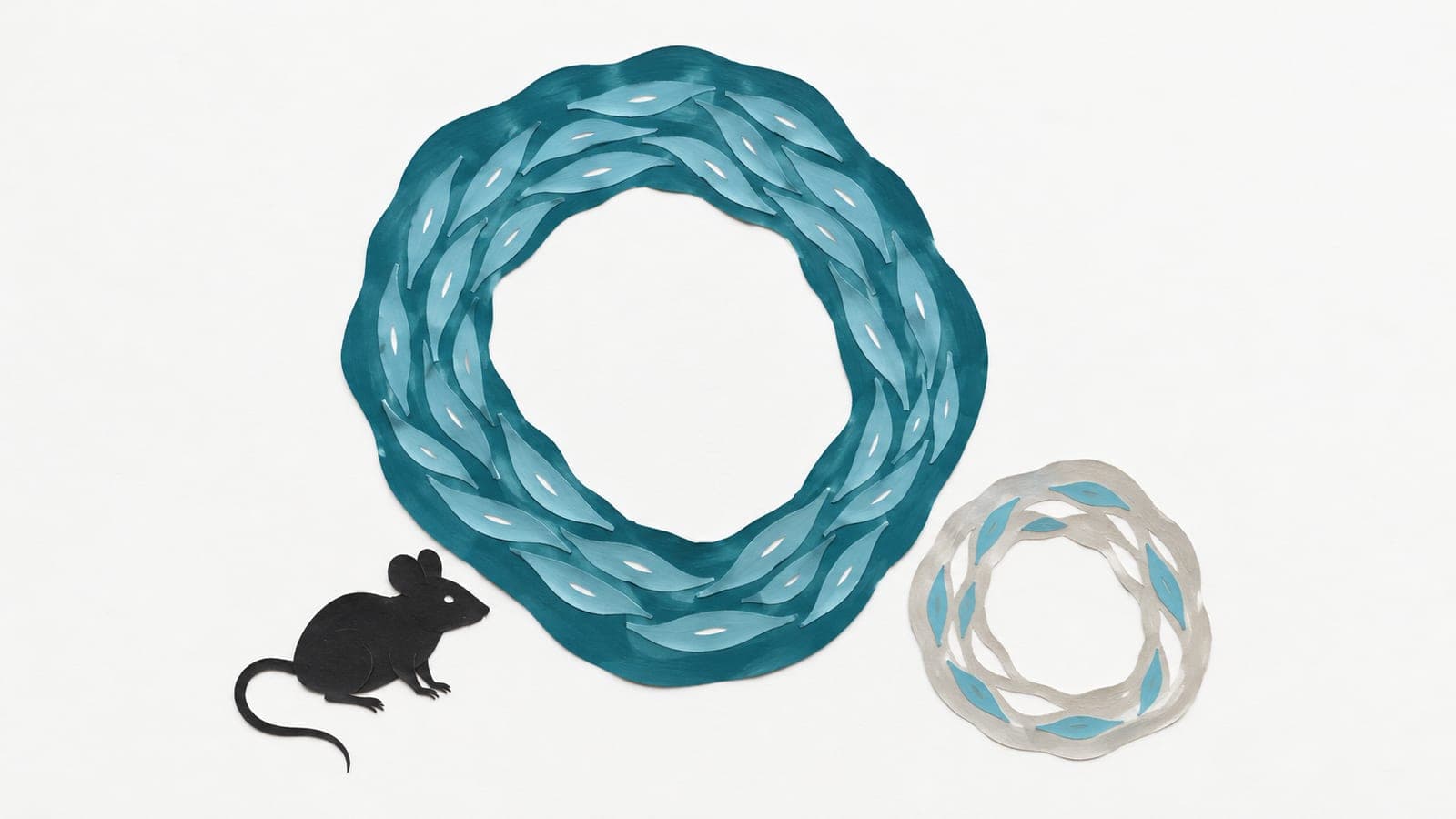
Elderly mice yielded dormant cells from the cerebral cortex, the brain’s outer layer, in laboratory experiments exploring the origins of glioblastoma, an aggressive brain cancer. Researchers isolated the cells using platelet-derived growth factor C, a protein that stimulates cell growth. The cells formed small spheres that grew very little. They showed several stem-cell features, including the ability to expand rapidly when given two other growth factors.
Cortical cells lacking p53, a protein that helps suppress tumors, became independent of growth factors and capable of forming tumors after researchers switched them from platelet-derived growth factor C to platelet-derived growth factor A. The findings point to these cortical cells as candidate starting cells for glioblastoma.
Why it matters
Glioblastoma occurs in older adults, including in brain regions where the presence of stem-like cells has been uncertain. The work addresses whether cells in the aging cortex could be a source of this cancer.
Caveats
The tumor-forming result involved mouse cells lacking p53 and exposed to selected growth factors. It does not show that unaltered cortical cells start glioblastoma in people.
Where the evidence stands
TP53
- 216 independent labs in 34 countries
- 21 findings against
- Funders: National Institutes of Health and others
- 33 of 451 findings with company ties
Stem cell maintenance
- 87 independent labs in 23 countries
- 2 findings against
- Funders: National Institutes of Health and others
- 9 of 128 findings with company ties
The paper
University of Calgary; Arnie Charbonneau Cancer Institute
Neuro-Oncology, Nov 2026
Comments
Be the first to comment.