Coronary artery calcium is linked to cancer and non-heart deaths
Over five years, 8.83% of patients with coronary calcium died compared with 2.89% of those without, for a relative risk of 3.06.
5 years
Limit: The analysis adjusted only for age and sex, omitting smoking and other risk factors
Edited by Boris Djordjevic · AgingResearch.News
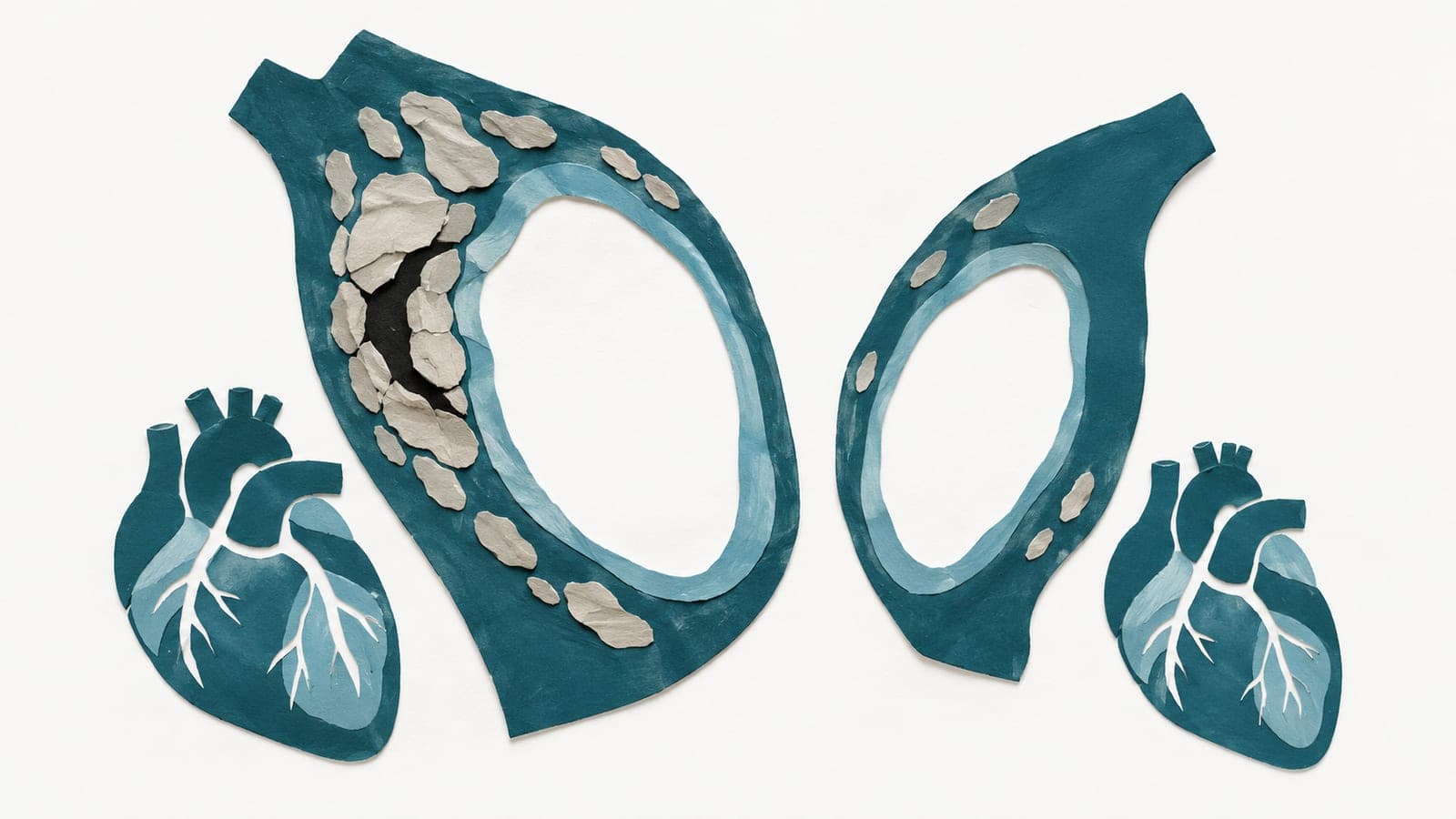
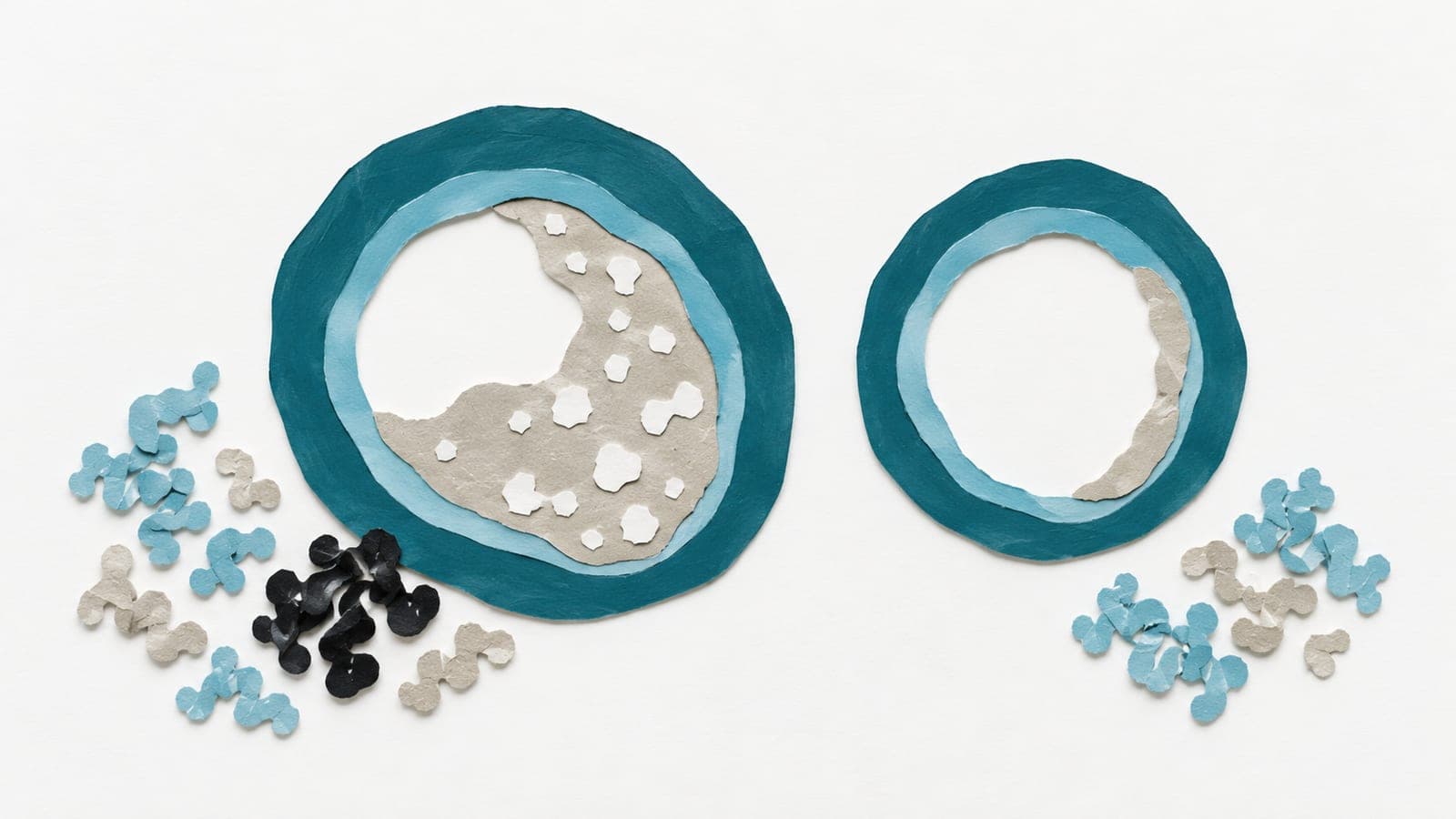
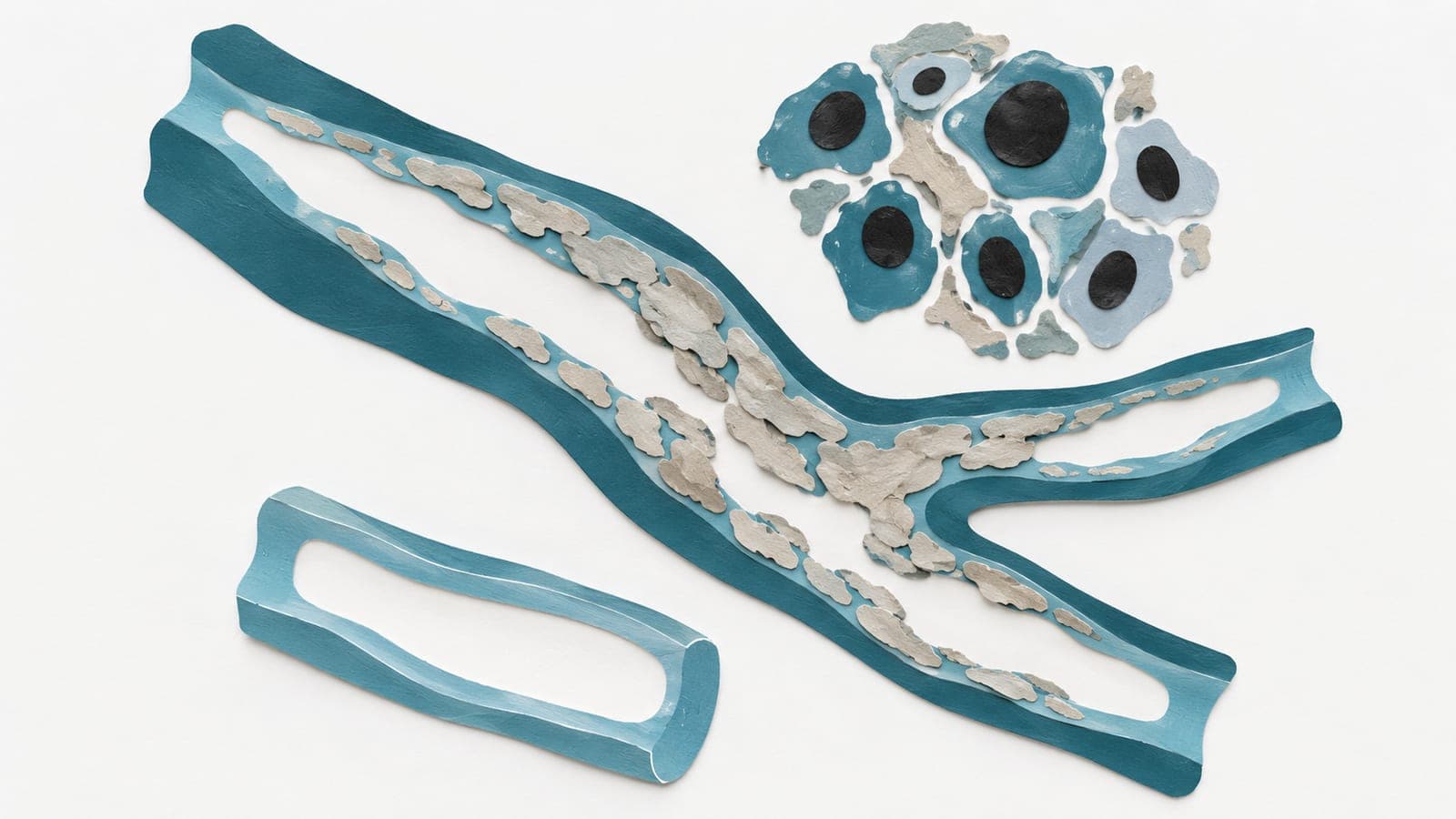
In an observational cohort study, researchers analyzed electronic medical records from 40,006 patients at primary coronary risk who underwent positron emission tomography and computed tomography stress testing. The patients had a mean age of 65.8 years, and 48.7% were female. Scans detected no coronary artery calcium—mineral deposits in the vessels supplying the heart—in 7,959 patients, and detectable calcium in 32,047.
Over five years of follow-up, 230 patients without calcium died (2.89%), compared with 2,830 patients with calcium (8.83%), for a relative risk of 3.06. After adjusting for age and sex, the total mortality risk was 2.11. Coronary calcium was also associated with a greater risk of death from cardiovascular disease, non-cardiovascular causes, and cancer.
Why it matters
Vascular calcification increases with age, and the authors suggest that coronary calcium may mark wider vascular aging and multiorgan involvement rather than isolated heart disease. This highlights how cardiovascular aging could share underlying biological processes, such as altered immune surveillance, with other age-related illnesses including cancer.
Caveats
The observational design shows only associations, and because the study examined patients referred for heart stress tests, the findings may not apply to people at low cardiovascular risk. In addition, the results were reported in a conference abstract rather than a full peer-reviewed journal article.
The paper
Coronary artery calcium predicts 5-year all-cause-, non-cardiovascular-, and cancer mortality
Intermountain Medical Center
ESC Congress 2026 Abstract, Oct 26, 2026, Open access
Presented at ESC Congress 2026