Low-dose triple pill lowered blood pressure alone or added on
The pill lowered the upper blood pressure reading by 15 mmHg and the lower by 7 mmHg versus placebo at six weeks.
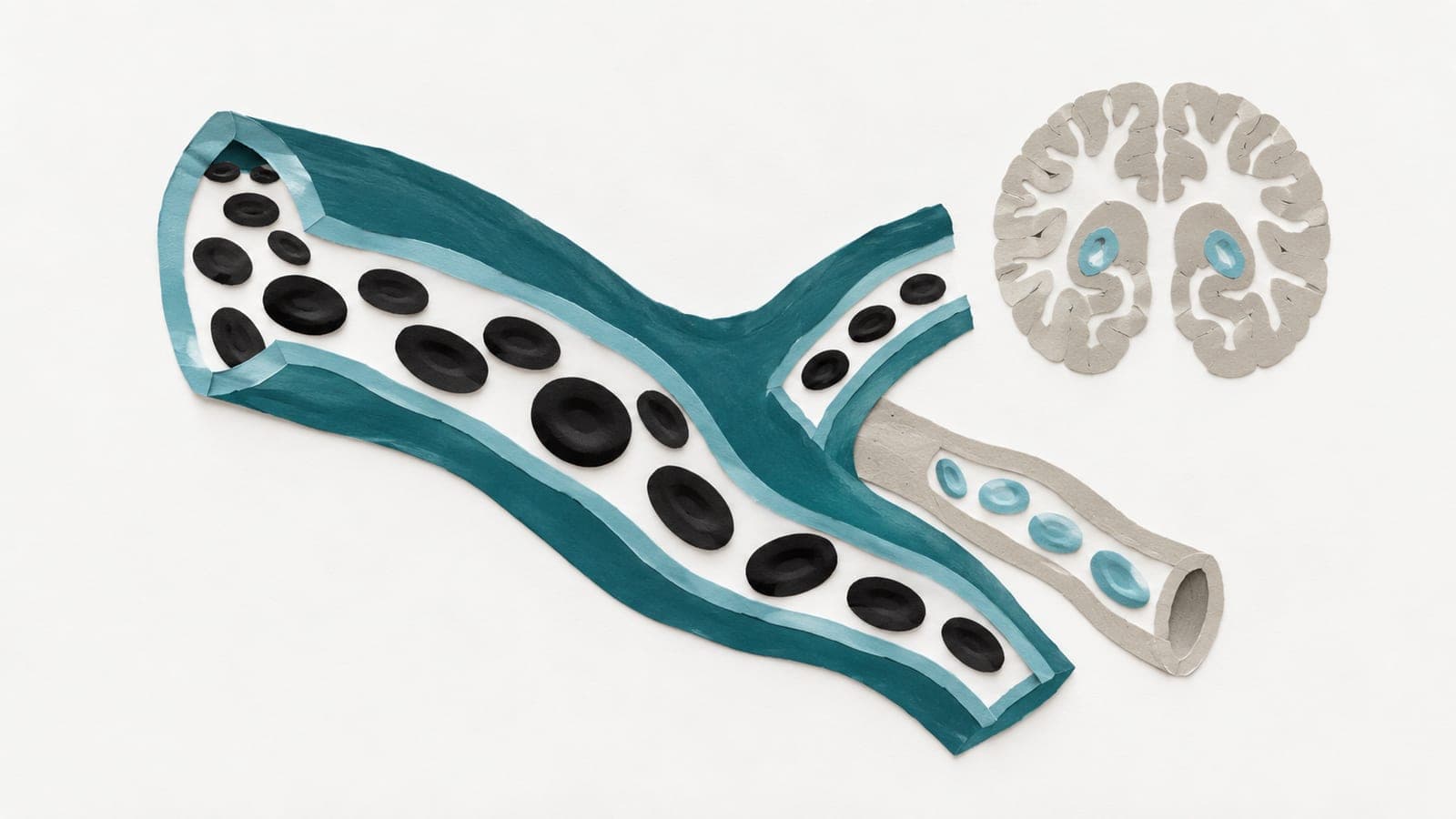
Double-blind, placebo-controlled, multicenter
Limit: Only patients completing an active-drug run-in could enter randomization
Edited by Boris Djordjevic · AgingResearch.News
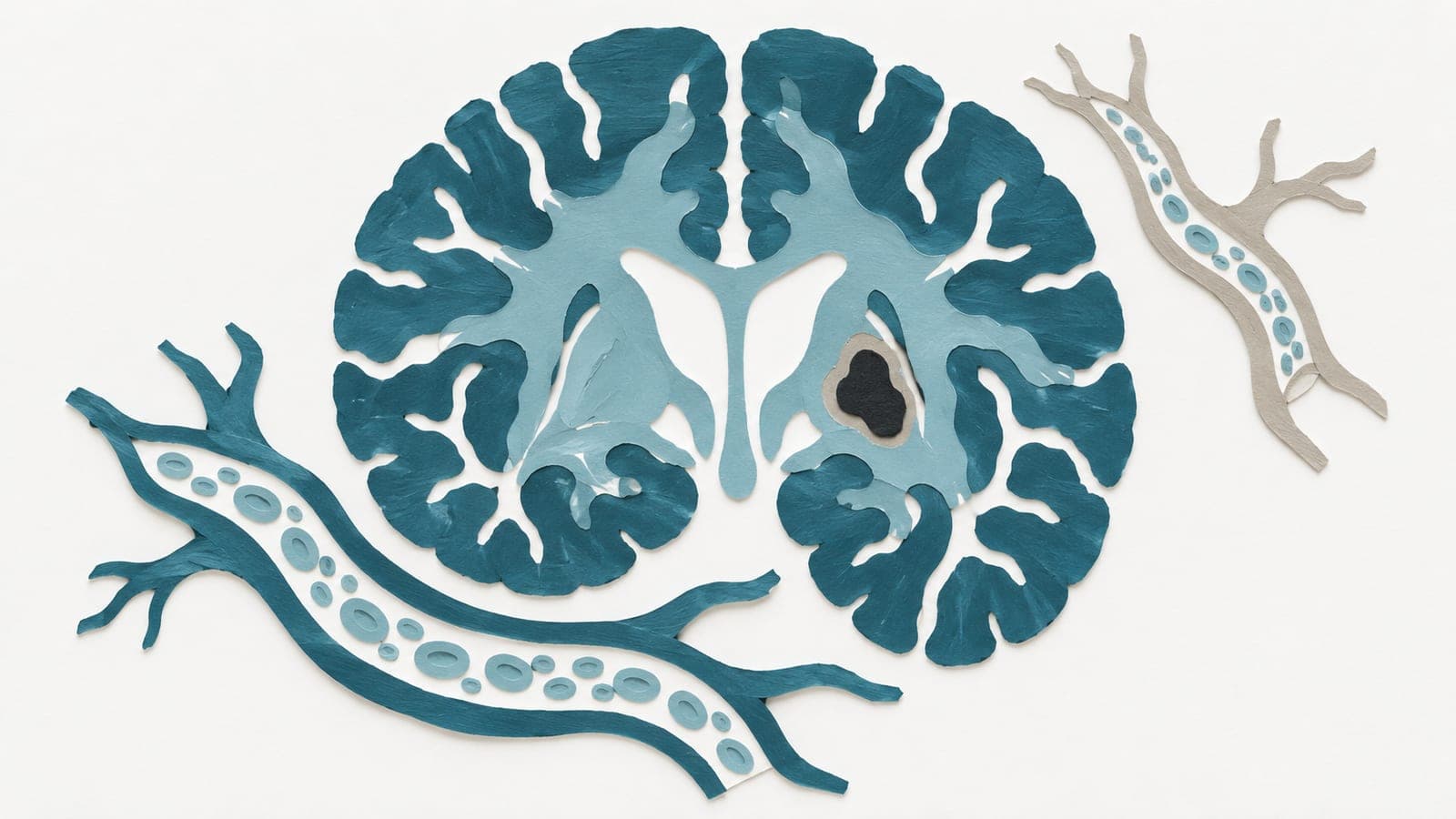
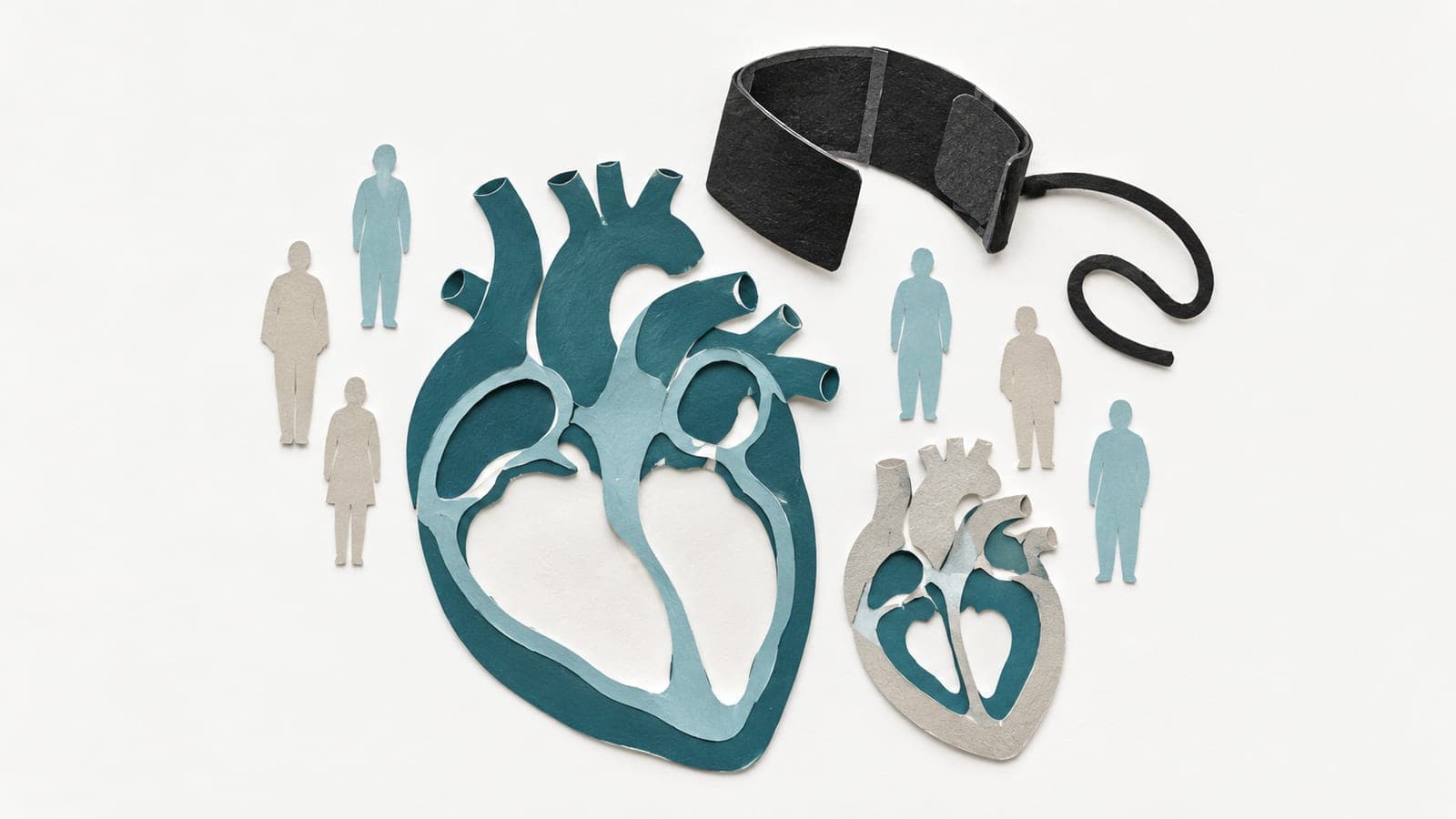
In this double-blind, randomized trial, 1,670 people with a previous bleed inside the brain received a triple pill or placebo alongside usual care. Their average age was 58, and 34% were women. Before a two-week active-drug run-in, participants had an upper blood pressure reading of 130 to 160 mmHg. The pill contained three blood pressure drugs: telmisartan 20 mg, amlodipine 2.5 mg and indapamide 1.25 mg.
Across follow-up, upper and lower blood pressure readings averaged 9 and 4 mmHg lower with the pill than with placebo. Reductions occurred in people taking no other blood pressure medicine and those taking one, two, or three or more. At the final visit, participants averaged 2.1 background blood pressure drugs in the placebo group and 1.2 in the triple-pill group.
Why it matters
Blood pressure control matters for cardiovascular health as people age. The trial addressed whether a low-dose combination could work alongside existing blood pressure medicines.
Caveats
Participants had to complete a two-week active-drug run-in before randomization, and all had previously had bleeding inside the brain. This congress abstract does not report adverse events or the total follow-up duration.
- Telmisartan + amlodipine + indapamide
- Intracerebral hemorrhage
- Diastolic blood pressure
- Systolic blood pressure
- Humans
The paper
The George Institute for Global Health
ESC Congress 2026 Abstract, Oct 26, 2026, Open access
Presented at ESC Congress 2026