Drug appeared to aid memory updating in middle-aged male mice
In experiments, male mice aged 10–15 months learned and retained object locations, but reminders did not readily make those memories open to change.
Our read
Interventions- Studied:
- Experiments in middle-aged male C57 mice
- What changed:
- A receptor-activating drug given before a reminder improved memory updating in middle-aged mice
- The catch:
- The abstract omits the receptor-stimulating substance’s dose
- Why it’s aging research:
- It studies organisms or tissues that aged naturally.
Editor of record: Boris Djordjevic · AgingResearch.News
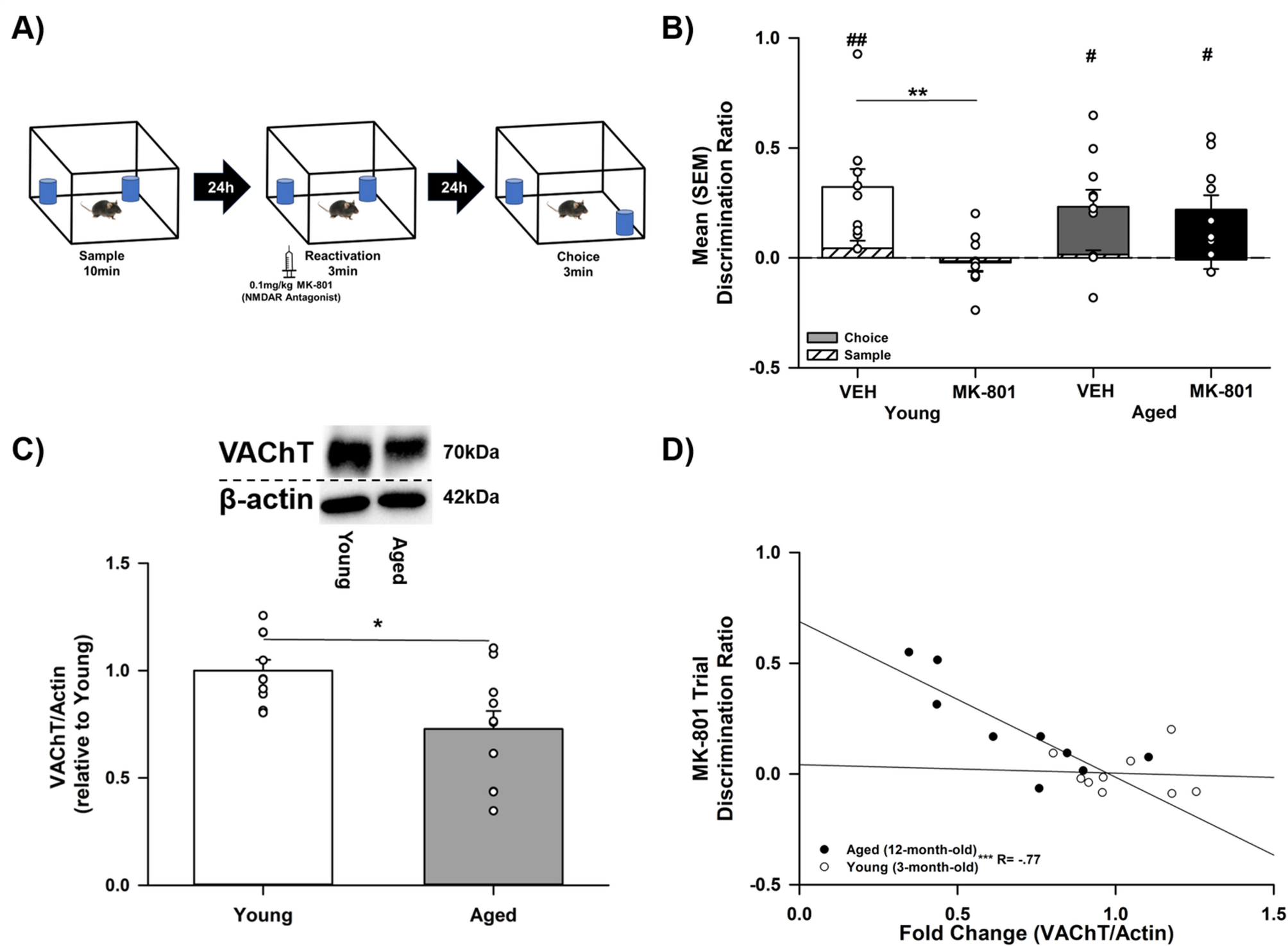
Male C57 mice aged 3 months or 10–15 months underwent experiments testing memories of object locations. Both age groups learned and retained these memories. After reminders, however, memories readily became open to change in young mice but not middle-aged mice.
Middle-aged mice received a substance before a reminder that activates M1 muscarinic receptors, proteins that respond to the nerve-signaling chemical acetylcholine. This appeared to make their memories open to change, enabling updating. A brief period of enrichment also produced behavior consistent with enhanced memory updating. These findings distinguished difficulties updating existing memories from difficulties learning or retaining them.
Why it matters
Age-related cognitive difficulties may involve revising existing memories, not just learning or remembering. The authors highlighted acetylcholine signaling as a potential contributor to these updating difficulties.
Caveats
The experiments tested object-location memories in male mice, not memory updating in people. The abstract does not give the receptor-stimulating substance’s dose, limiting interpretation of that result.

Comments
Be the first to comment.