No consistent rise in dementia diagnoses after coronavirus infection
Three observational cohorts of adults aged 70 or older showed no consistent average increase in dementia or Parkinson’s diagnosis risk after documented infection.
Our read
Populations- Studied:
- Cohort study of adults aged 70 and older, up to five years
- What changed:
- Dementia diagnosis risk showed no consistent increase after documented coronavirus infection compared with pre-pandemic or test-negative controls
- The catch:
- General-practice diagnoses were missing, potentially undercounting dementia diagnoses
- Why it’s aging research:
- It bears on staying healthy in midlife and later life.
Editor of record: Boris Djordjevic · AgingResearch.News
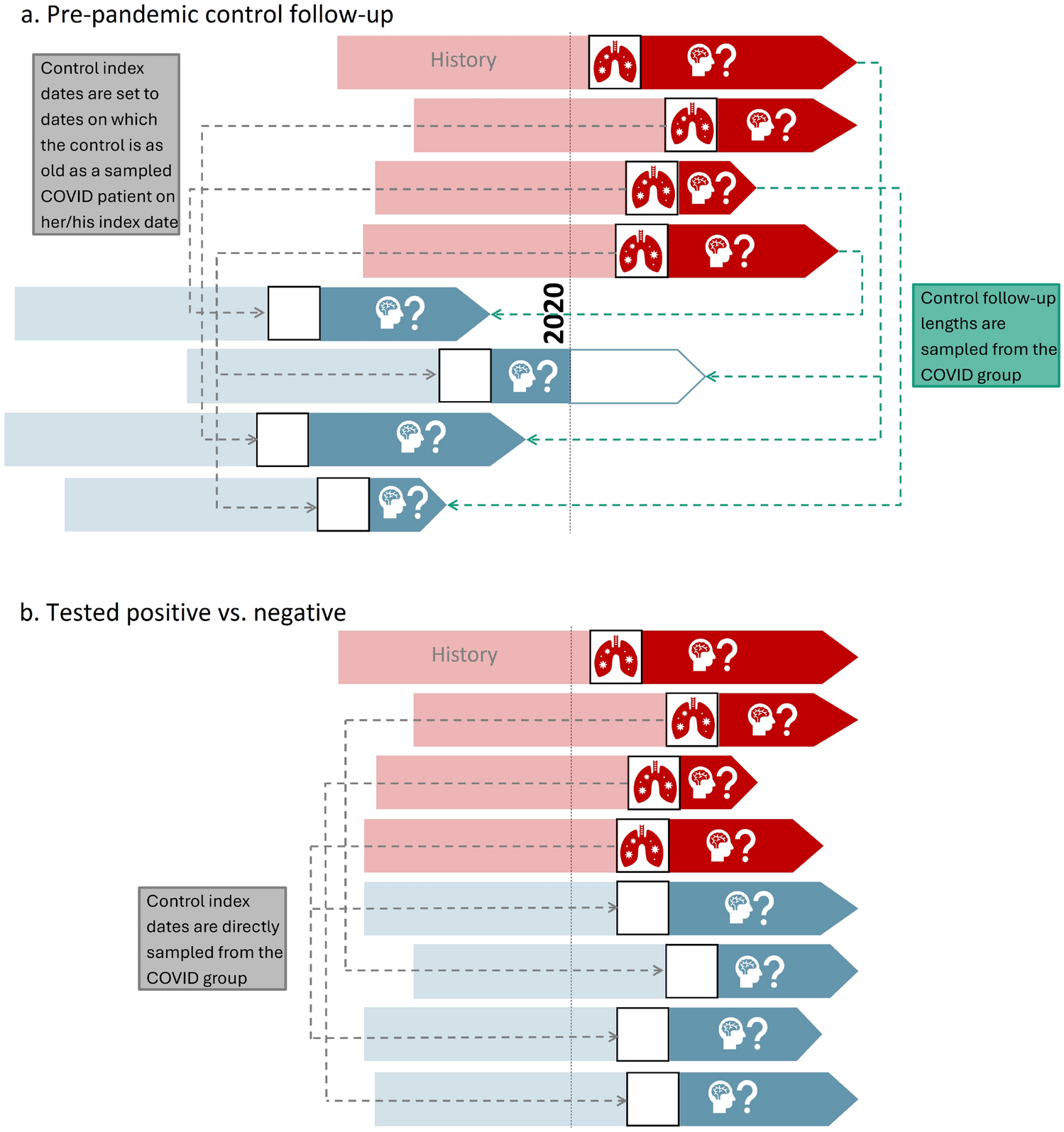
Adults aged 70 or older with no previous diagnosis of Alzheimer’s disease, Parkinson’s disease or unspecified dementia were studied in three observational cohorts in Denmark, the US and the UK. The analyses mimicked trials by comparing people with documented SARS-CoV-2 infection—the virus that causes COVID-19—with pre-pandemic controls or people who tested negative. They accounted for measured differences between groups, incomplete follow-up and deaths.
Across cohorts, comparison groups, diagnoses and follow-up periods, infection was not consistently associated with higher average diagnosis risk. Exploratory analyses nevertheless suggested higher risks among older individuals and people with established dementia-related risk factors: type 2 diabetes, heart and blood vessel disease, depression or hearing impairment. The size and consistency of these patterns varied across cohorts and diagnoses.
Why it matters
Dementia and Parkinson’s disease affect health in later life. These results address whether coronavirus infection is linked to their diagnosis in older adults.
Caveats
People with and without documented infection may have differed in unmeasured ways, and some infections may have gone unrecorded. The findings concern adults aged 70 or older without the listed prior diagnoses; the exploratory subgroup patterns need independent confirmation.
Where the evidence stands
Sars-cov-2 infection
- 84 independent labs in 33 countries
- 11 findings against
- Funders: National Institutes of Health and others
- 21 of 173 findings with company ties


Comments
Be the first to comment.