Perceived green-space qualities linked to lower dementia risk
The dementia hazard ratio, a relative risk measure, was 0.94 for each rise spanning the middle half of perceived green-space scores.
Limit: Neighborhood survey responses may not reflect each participant’s green-space experience
Edited by Boris Djordjevic · AgingResearch.News
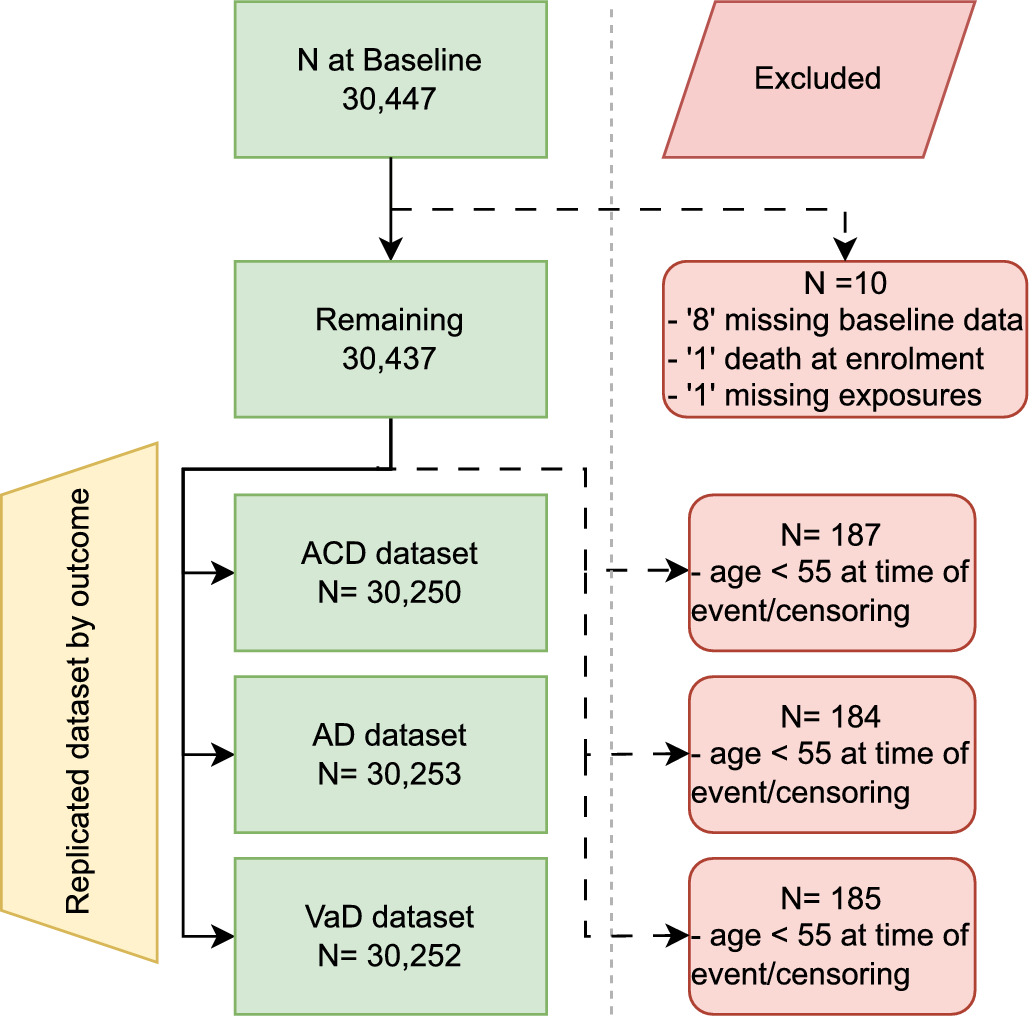
An observational study followed around 30,250 participants in the Malmö Diet and Cancer cohort from 1991 to 2014. Researchers linked annual home addresses to regional survey measures of perceived neighborhood serenity, wildness and variety of species, plus road and train noise annoyance. They combined the three green-space qualities into an index.
Higher perceived green-space qualities were associated with lower risks of all-cause dementia and Alzheimer’s disease after accounting for demographic, lifestyle and health factors. Road traffic noise annoyance was associated with higher all-cause dementia risk, with a hazard ratio of 1.07. Train noise annoyance showed no clear association. The dementia diagnoses were clinically validated.
Why it matters
Dementia is an age-related disease. These findings support considering residents’ perceptions when studying the residential environment’s links to dementia risk.
Caveats
This observational study could not establish cause and effect, and neighborhood survey responses may not reflect each participant’s experience. The findings came from one Malmö cohort and may not apply to other populations.
- Perceived green space qualities
- Train noise annoyance
- Road traffic noise annoyance
- All-cause dementia
- Alzheimer's disease
- Humans
The paper
Scientific Reports, Oct 26, 2026, CC BY