Lifestyle factors associated with biofunctional age in a cross-sectional study of adults aged 35 and older
Abstract
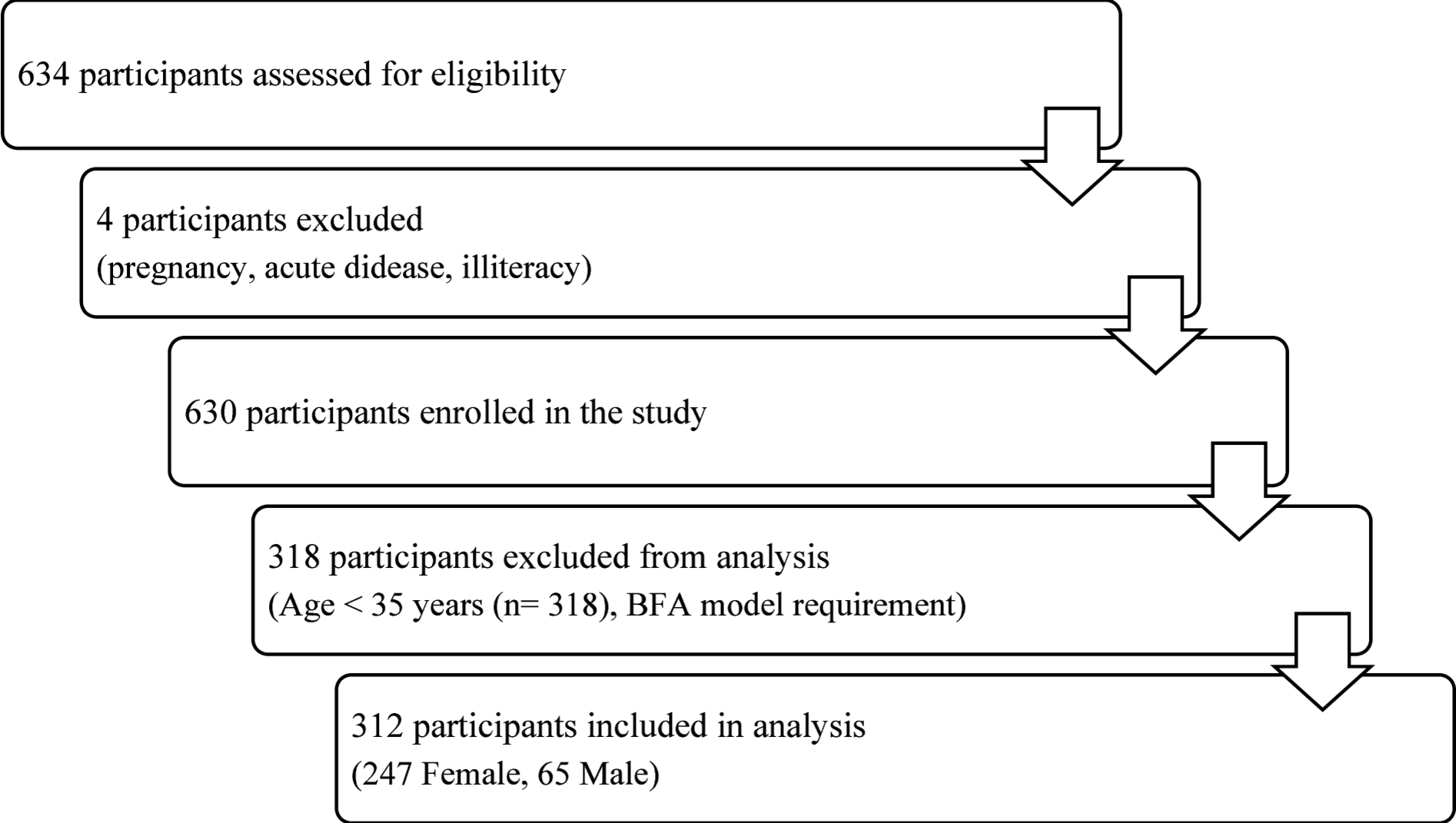
Ageing is a complex process influenced by chronological age, gender, genetics, lifestyle and environment leading to intra- and inter-individual variability in vitality and the trajectory of healthy ageing. This study aimed to identify key lifestyle factors and to develop a Lifestyle Index (LI) for low-threshold, practical assessment of Biological Functional Status (BFS) in routine health evaluations. A monocentric, cross-sectional, observational study including 630 participants; BFS and LI were derived for a subgroup of 312 participants aged ≥ 35 years, consistent with the age threshold required by the validated BFA model. Data collection comprised demographic, lifestyle and functional health parameters. Statistical analysis identified modifiable lifestyle factors most strongly linked to BFS and BFA forming the basis of the LI. Five lifestyle factors form the basis of the primary Lifestyle Index (LI): high physical activity (≥ 3 x /week), r = − 0.212), satisfaction with sexual life (r = − 0.156), normal Body Mass Index (18.5–22 kg/m ² , r = − 0.120), very good sleep (r = − 0.099) and never /past smoking (r = 0.128). The constructed LI (0- 10 points) correlated with lower BFA (r = − 0.233; p < 0.001), indicating a healthier lifestyle profile. Mean LI score was 5.7 points (SD = 1.7; median = 5.5). Alcohol consumption also appears to exert an influence; however, this aspect warrants separate discussion. Accordingly, alcohol consumption was examined in a separate sensitivity analysis (see results “Sensitivity analysis: alcohol consumption” section). Active ageing should not be conceptualized as alignment with a normative biological age, but rather as the optimization of functional capacity within the context of individual variability and life circumstances. We developed a simple, cost-effective and user-friendly LI, intended as a preliminary, low-threshold tool for the assessment of BFS. Before it can support routine clinical use and personalized strategies for healthy aging, external validation and confirmation in more diverse populations is needed.
- Alcohol
- Physical activity
- Satisfaction with sexual life
- Biofunctional age
- Biological Functional Status
- Humans
The paper
Johannes Gutenberg University Mainz; University Hospital of Bern
Scientific Reports, Oct 17, 2026, Open access, CC BY


