A consortium-driven framework for biomarker prioritization in the HEBE aging study
Abstract
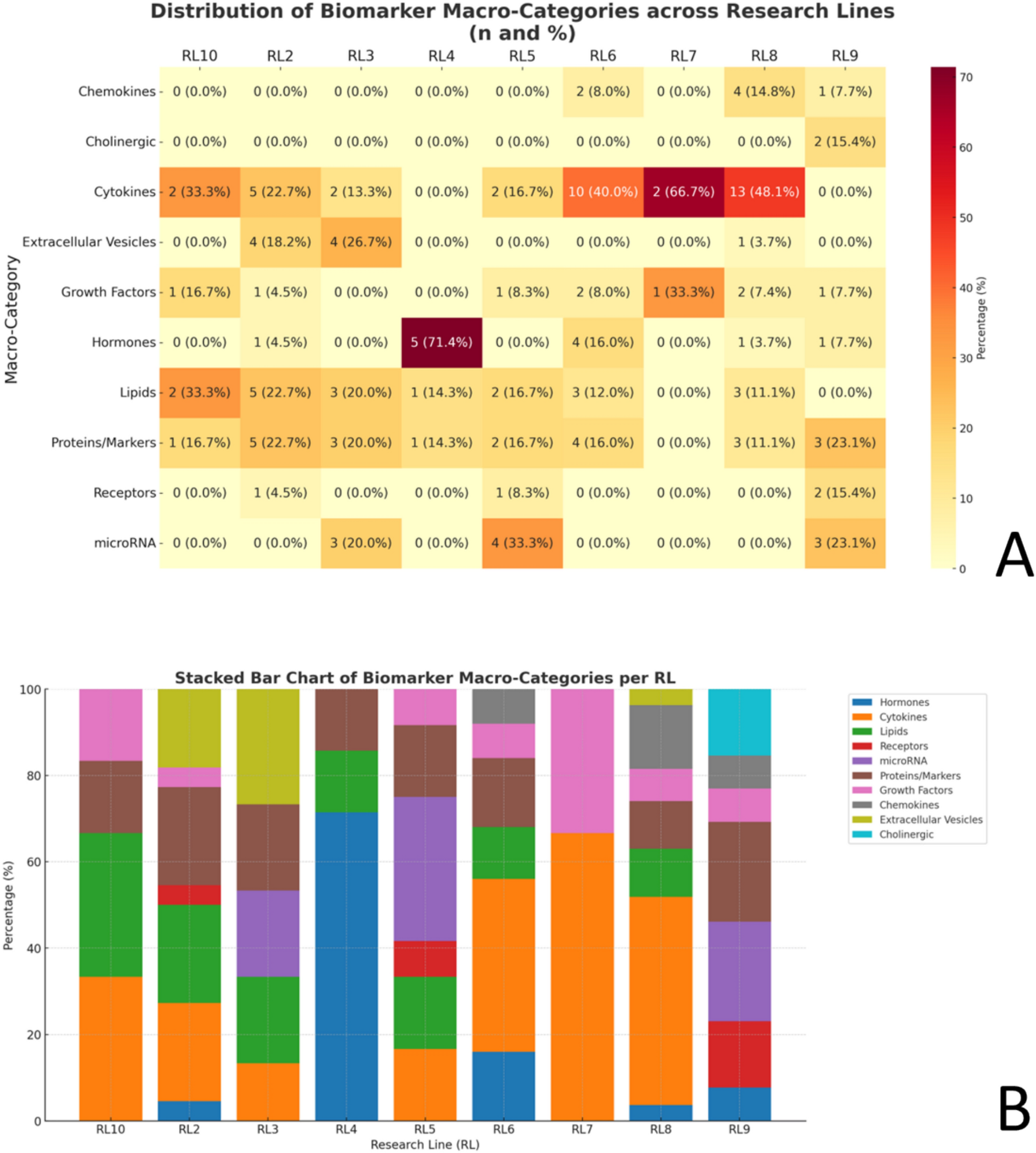
Aging is a complex biological process influenced by chronic low-grade inflammation, oxidative stress, and metabolic dysregulation, collectively termed inflammaging. The HEBE (Healthy aging versus inflamm-aging: the role of physical Exercise in modulating the Biomarkers of age-associated and Environmentally determined chronic diseases) project developed and implemented a consortium-driven, cost-effective methodological framework for biomarker profiling aimed at capturing these mechanisms and their modulation by lifestyle interventions, particularly physical exercise. This framework integrates interdisciplinary expertise and high-throughput analytical strategies to guide biomarker selection while balancing physiological relevance, analytical feasibility, and cost-effectiveness. The framework was applied within a large multidisciplinary consortium structured across multiple research lines (RLs), each addressing specific domains of inflammaging-related conditions, including obesity, cancer, frailty, cardiovascular and respiratory diseases, neuroinflammation, psychological stress, autoimmune disorders, and fertility. The resulting biomarker panel spans molecular, cellular, and systemic levels, encompassing inflammatory cytokines, metabolic regulators, neurotrophic factors, extracellular vesicle-derived molecules, lipidomics, proteomics, and platelet activation markers. A key output of this framework is the harmonized integration of cross-disciplinary biomarker data while minimizing biological sample consumption and analytical costs. The prioritization of multiplex technologies and targeted omics approaches enables the simultaneous assessment of multiple biomarkers from limited biospecimens, enhancing efficiency and scalability. Centralized data management and statistical coordination further support consistency of implementation. This work also highlights methodological challenges inherent to large-scale biomarker studies, including inter-individual variability, platform standardization, and the need for longitudinal validation. Addressing these issues through harmonized protocols and extended follow-up will be essential to strengthen future empirical applications. By formalizing and documenting this consortium-driven approach, the HEBE Project provides a transferable methodological framework to support biomarker-based monitoring of aging processes and lifestyle interventions in complex, resource-constrained research settings.
The paper
Scientific Reports, 11 Oct 2026, CC BY