RNA delivery restored muscle weight in aged immobilized mice
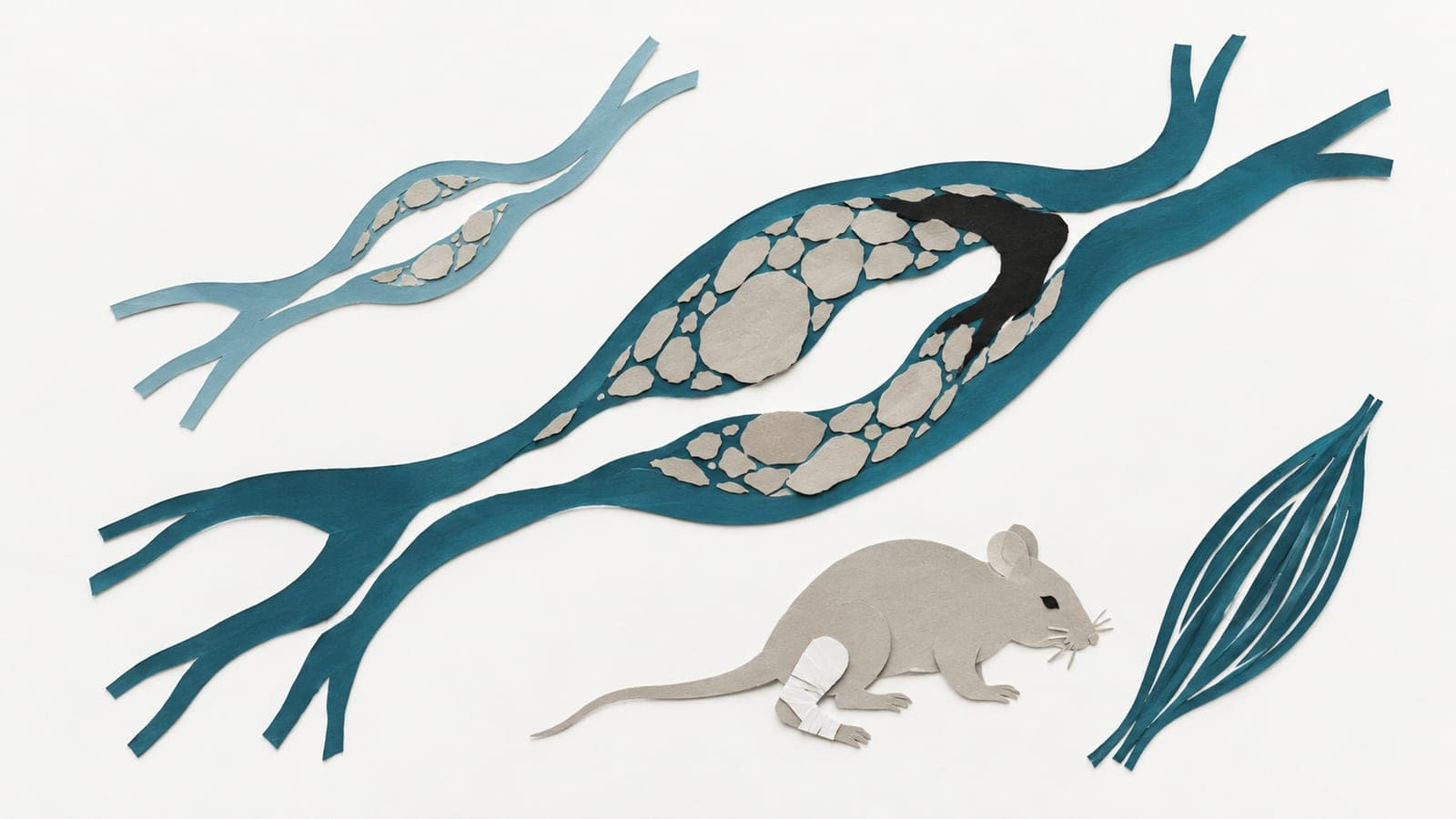
An experiment in aged, immobilized mice used fat-based particles carrying circular RNA for the exercise-induced protein irisin and restored muscle fiber size.

Our read
Interventions- Studied:
- Experiments in aged immobilized mice
- What changed:
- Irisin circular RNA restored muscle weight in aged, immobilized mice
- The catch:
- Muscle strength was not reported; recovery measures were muscle weight and fiber size
Editor of record: Boris Djordjevic · AgingResearch.News
Aged, immobilized mice received circular RNA for irisin, an exercise-induced protein that supports muscle maintenance, in an animal experiment. The ring-shaped RNA was enclosed in lipid nanoparticles, tiny fat-based carriers. This approach restored muscle weight and the size of individual muscle fibers. The authors’ analysis of gene activity identified reduced activity in genes linked to halted cell division as a predicted mechanism for muscle regeneration.
The researchers also measured blood irisin in respiratory care unit patients and older adults living in the community. Patients bedridden for at least seven days had lower irisin levels than the community group. Lower irisin was also associated with a higher risk of thrombocytopenia—a shortage of platelets, blood cells that help form clots.
Why it matters
Immobilization-related muscle wasting is a concern for older adults, especially critically ill patients. The authors identify irisin circular RNA as a potential therapeutic approach.
Caveats
The recovery results came from aged, immobilized mice, leaving open whether this RNA approach would help bedridden older adults recover muscle.


Comments
Be the first to comment.