Preventive interventions stratified by risk of healthy or unhealthy ageing in older adults: a systematic review
Abstract
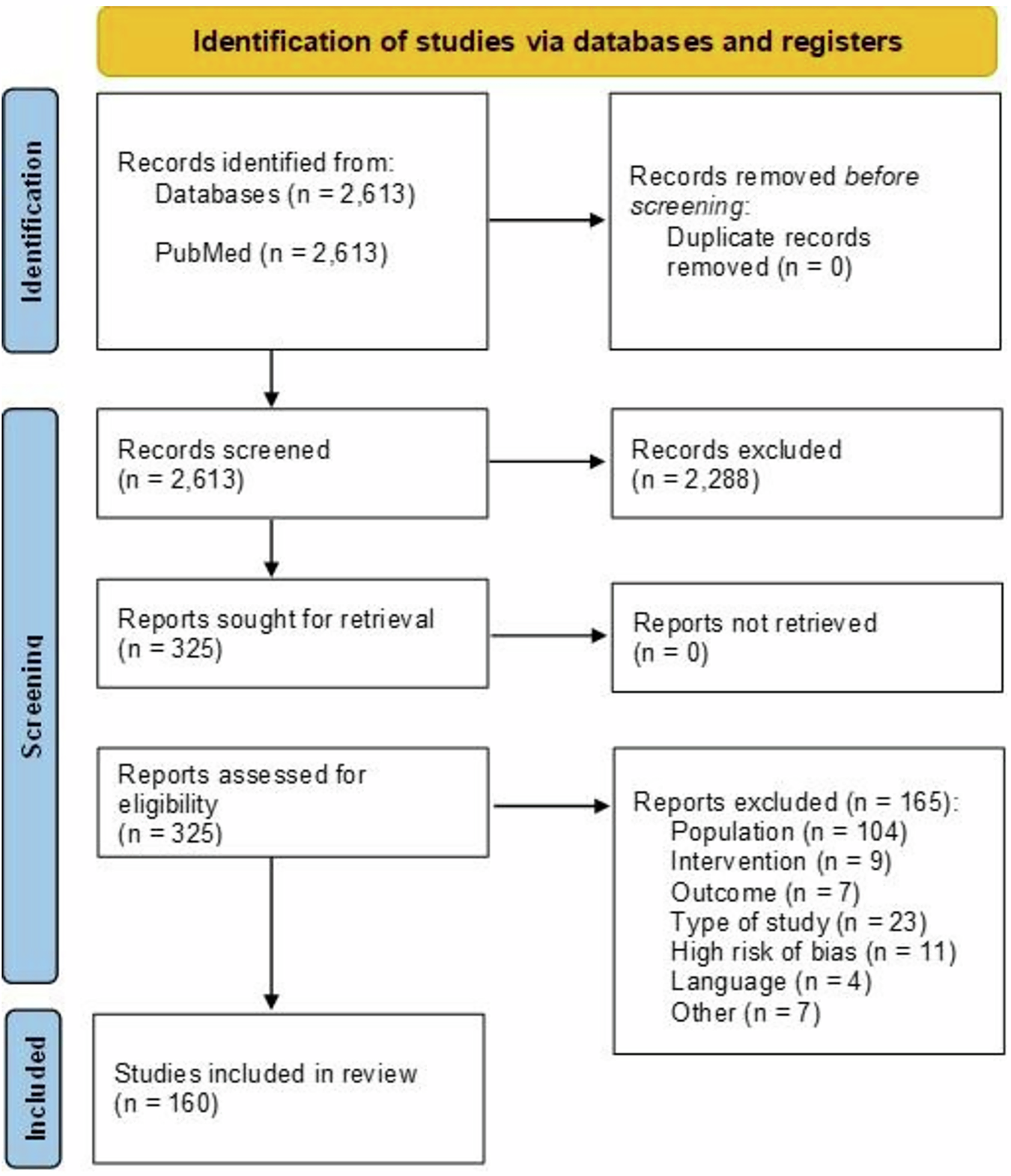
Life expectancy has increased over recent decades, but this increase has not been accompanied by a corresponding extension of the period of life spent in good health. Consequently, increasing attention has been directed towards interventions aimed at promoting healthy ageing. This systematic review aimed to summarise preventive interventions according to the risk of healthy or unhealthy ageing among adults aged ≥65 years. The literature search was conducted in PubMed. Among the 160 included studies, findings were stratified considering different subgroups, including individuals with physical or cognitive impairments, frailty/pre-frailty, clinical or mental disorders, varying body weight or physical activity profiles, and nutritional issues. Most studies focused on older adults with physical and cognitive impairments, most interventions included physical and cognitive training, and most assessed outcomes were physical and cognitive performance. This research found that the interventions most frequently implemented varied according to the characteristics of each subgroup, with benefits observed more consistently among older adults with physical impairments, frailty or pre-frailty, hearing loss, cognitive impairments, overweight or obesity, sedentary or low levels of physical activity, and malnutrition, particularly in domains where individuals exhibited the greatest vulnerability. In contrast, findings in other subgroups were mixed or showed no clear intervention effect, especially among older adults with mental health disorders. These findings may help identify tailored interventions according to an individual’s risk of healthy or unhealthy ageing.
The paper
Università degli Studi del Piemonte Orientale “Amedeo Avogadro”
NPJ Aging, Oct 15, 2026, Open access, CC BY-NC-ND