Nitric oxide and vibration linked to more brain proteins in blood
In a trial of 29 healthy adults, the combined intervention was associated with changes in brain fluid movement alongside higher blood levels of brain-derived proteins.
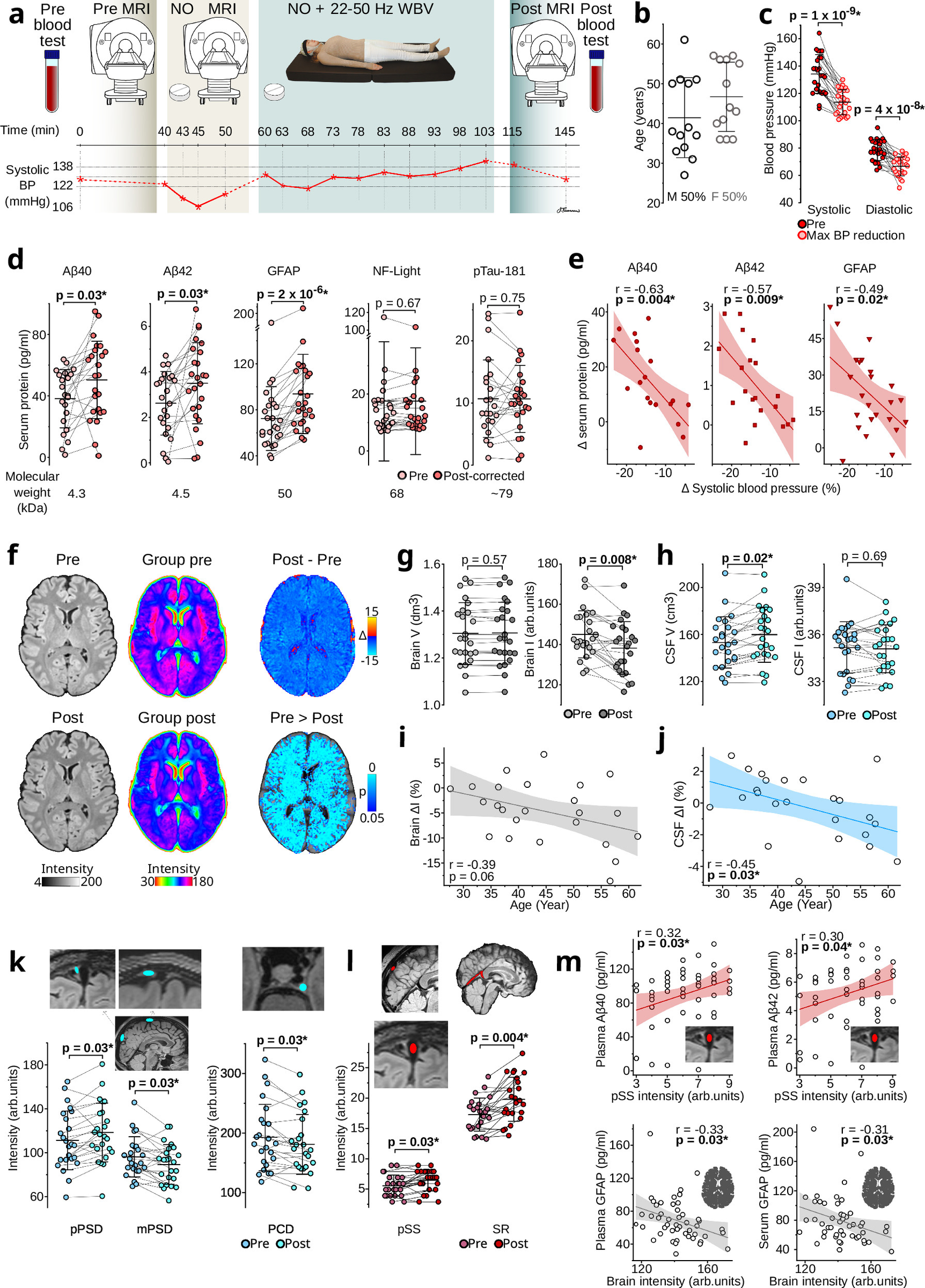
29 participants, non-randomized trial, registered EUCTR2021-000625-27
Limit: A uniform dilution correction from NO alone could misestimate protein increases after combined treatment
Edited by Boris Djordjevic · AgingResearch.News
Researchers tested nitric oxide given under the tongue and targeted whole-body vibration in a trial involving 29 healthy adults. Nitric oxide helps blood vessels widen. They used several types of brain imaging and blood tests to track brain fluid movement and soluble proteins from the brain.
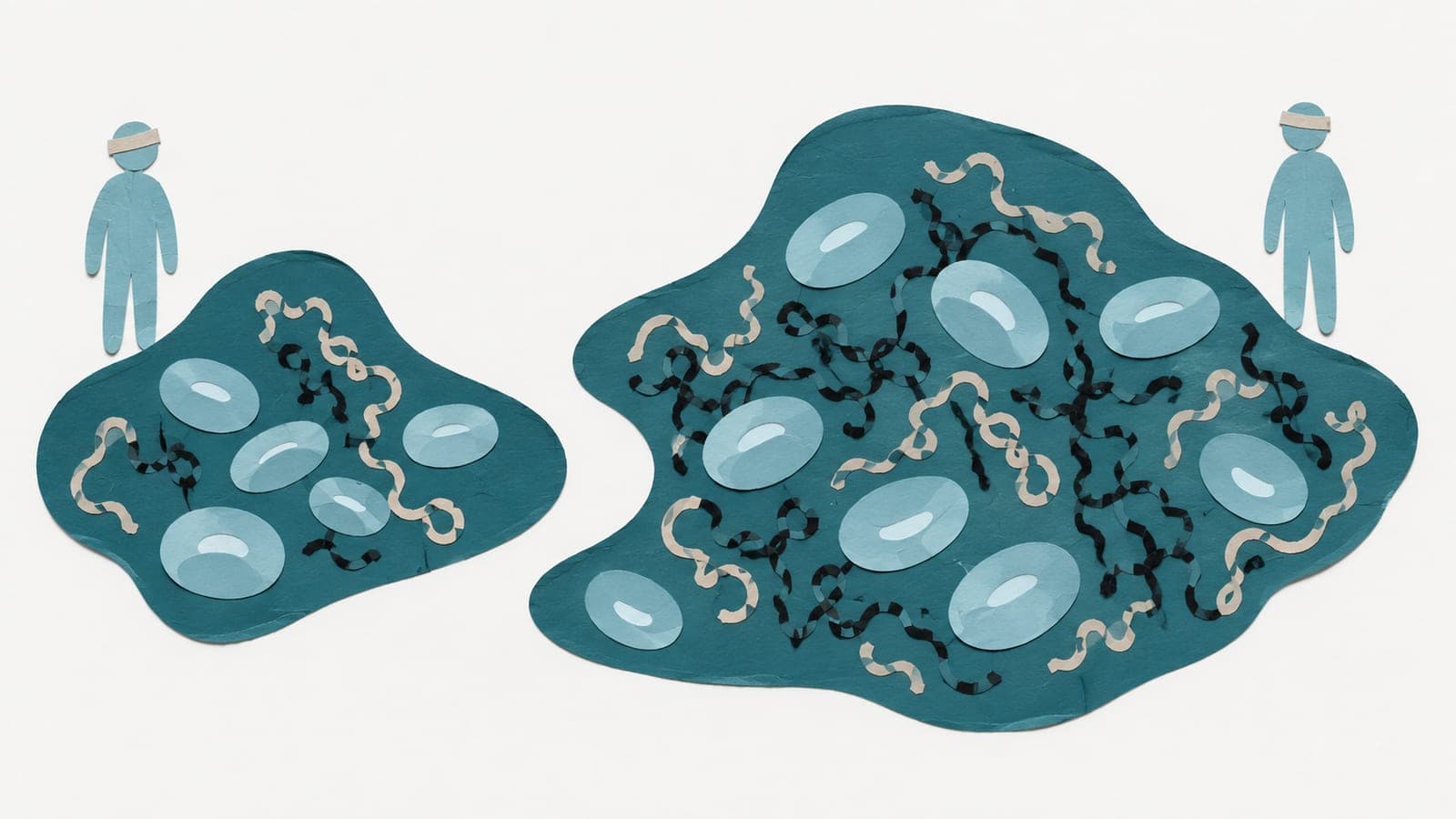
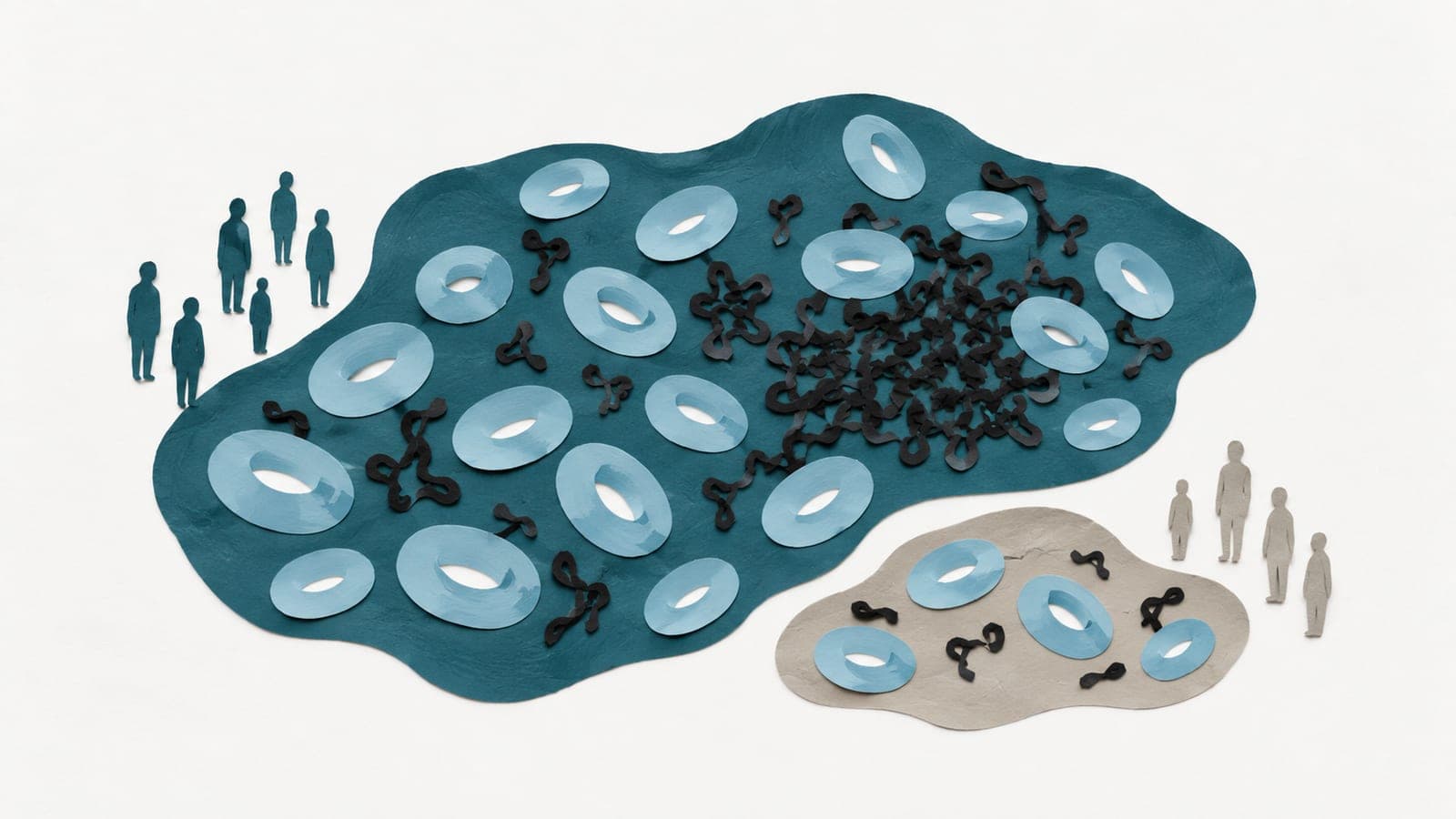
The combined intervention was associated with linked changes in fluid movement and increased blood levels of brain-derived proteins, including amyloid-beta. The effects increased with age and with the size of the blood pressure drop induced by nitric oxide. The interventions were well tolerated under controlled experimental conditions. The authors said the findings were consistent with a temporary redistribution of brain-derived proteins toward the bloodstream.
Why it matters
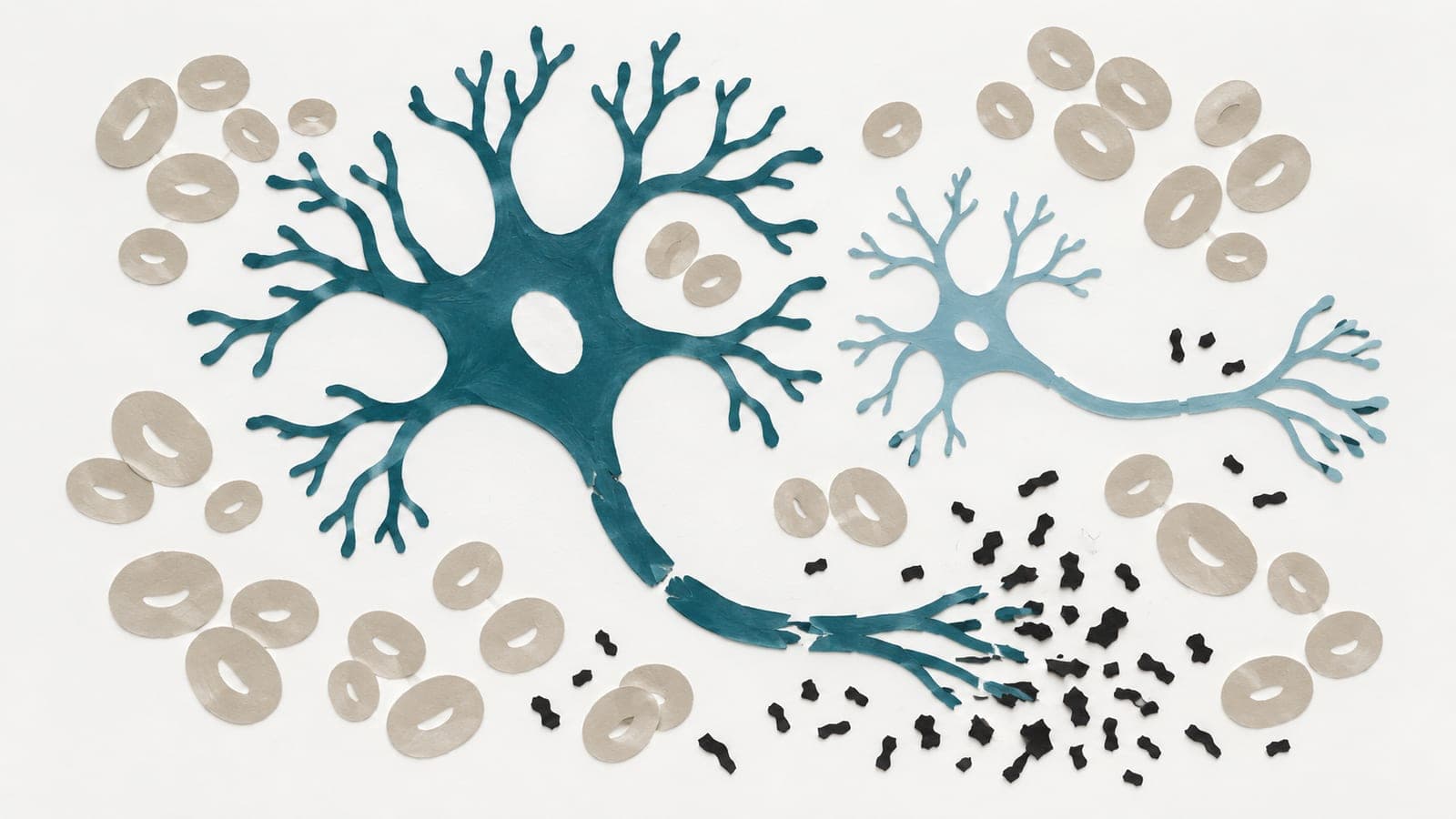
Age-related impairment of brain blood vessel function may precede protein buildup in Alzheimer’s disease. This work bears on whether changing vessel activity could help move dissolved substances out of the brain.
Caveats
The abstract does not describe a comparison group, and these measurements do not establish lasting protein clearance or cognitive benefit. Participants were healthy adults, not people with Alzheimer’s disease.
From the paper
- Participants
The study involved 29 healthy volunteers (mean age: 44 ± 10 years; 15 females, 52%).
- Harms
The interventions were feasible and acceptably tolerated under controlled experimental conditions, although transient adverse effects were observed: Mild adverse effects were reported following NO administration, with four participants reporting headache and three reporting nausea.
Quoted word for word from the full text on nature.com.
Comments
Be the first to comment.