DNA reshuffling has sex-specific genetic links in humans
A meta-analysis found six newly identified DNA regions linked to recombination in women and a seventh linked to recombination in men.
Our read
Mechanisms- Studied:
- Meta-analysis of human parents
- What changed:
- Six newly identified DNA regions were linked to recombination in women, and a seventh was linked to recombination in men
- The catch:
- The specific genes responsible for recombination differences within linked DNA regions were not identified
Editor of record: Boris Djordjevic · AgingResearch.News
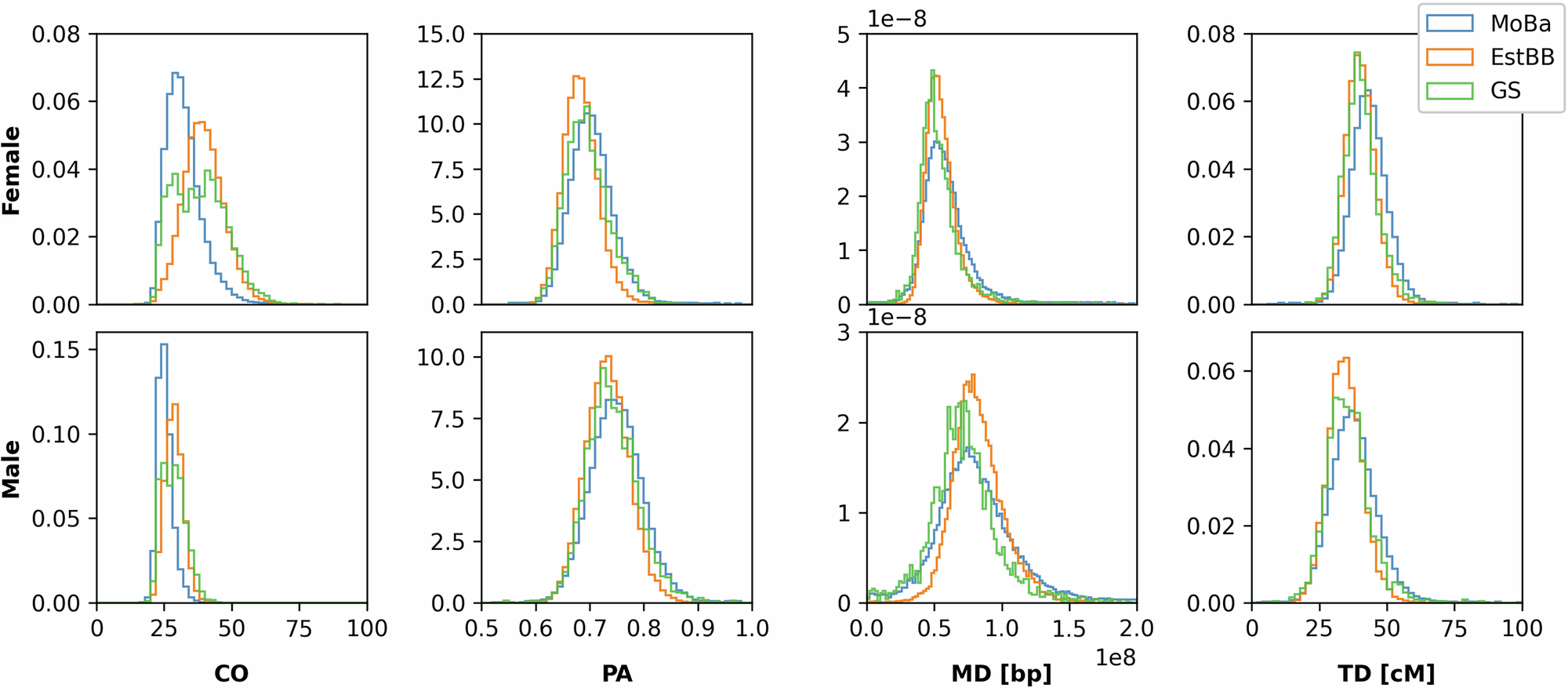
Human genetic data covering 112,144 maternal and 78,653 paternal meiosis events across four countries were analyzed in a meta-analysis. Meiosis is the cell division process that produces eggs or sperm. During it, chromosomes exchange stretches of DNA through recombination.
Across measures of recombination frequency and location, the analysis identified 24 distinct DNA regions with genetic links. Six newly identified regions had female-specific associations and contained genes linked to ovarian function. A seventh newly identified region was linked to male recombination. Many genetic effects differed by sex. DNA markers accounted for 30–40% of individual differences in recombination rate. In women, recombination was also associated with reproductive outcomes and aging after accounting for how people were selected for the studies.
Why it matters
Recombination helps chromosomes separate during egg and sperm formation. Mapping its genetic links offers a starting point for investigating its relationship with reproductive outcomes and aging.
Caveats
The genetic associations do not establish which genes within the linked DNA regions account for the differences in recombination.
The paper
Sex differences in the genetic basis of human recombination within 190,000 parent-child pairs
Nature Communications, Nov 13, 2026, CC BY-NC-ND
Comments
Be the first to comment.