Diagnosed blood fat disorder linked to environment in China
Across five survey waves from 2011–2020, environmental links to diagnosed blood fat disorders were stronger among earlier-born middle-aged and older adults in China.
Our read
Populations- Studied:
- Cohort study of middle-aged and older adults in China, 2011–2020
- What changed:
- Diagnosed blood fat disorders were more likely with higher air pollution
- The catch:
- City-level environmental measures may misrepresent each person’s exposure
- In the record:
- The 300th paper on air pollution with results in people; 820 on record in all.
Editor of record: Boris Djordjevic · AgingResearch.News
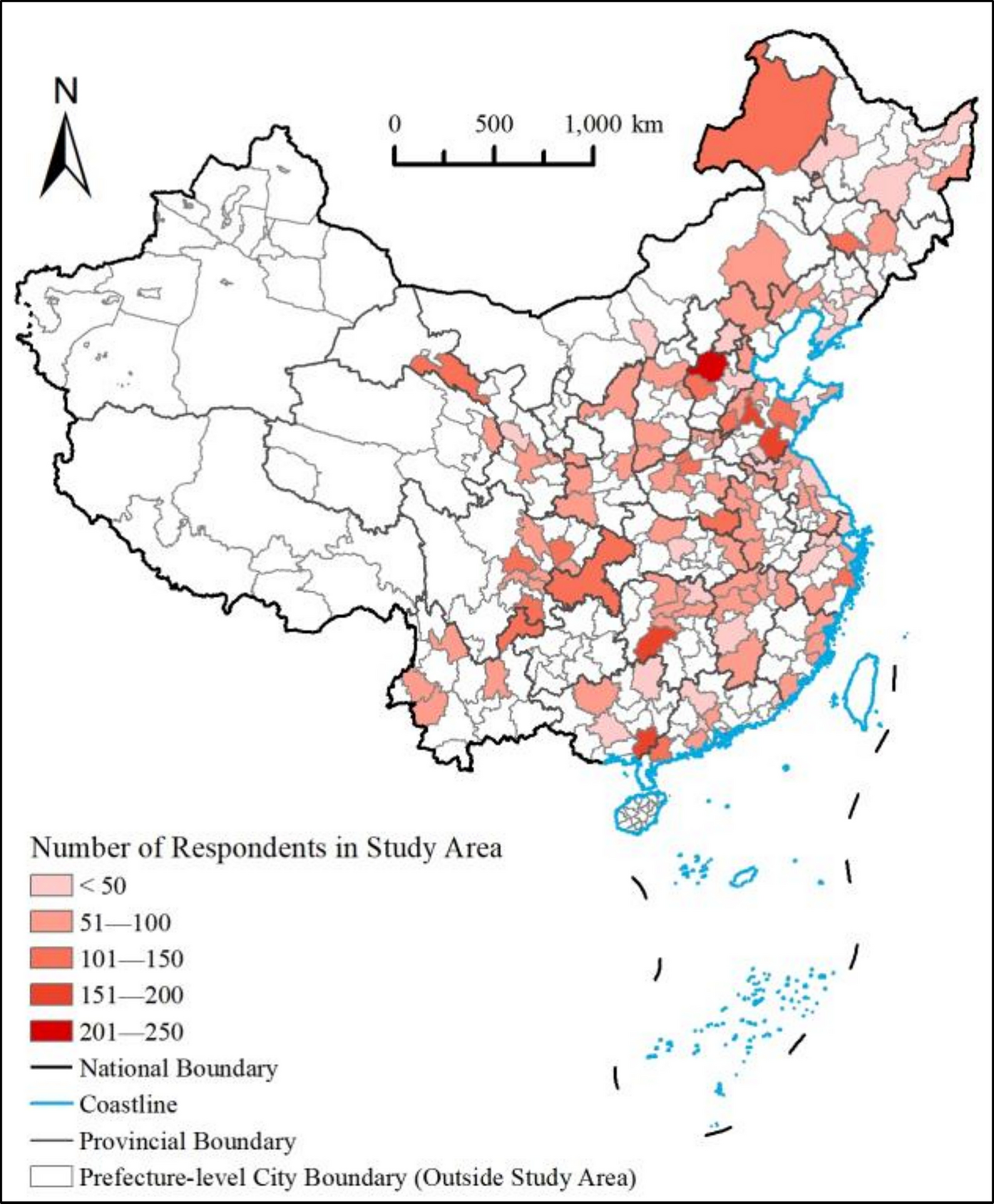
Middle-aged and older adults in China were studied in an age-period-cohort analysis of five survey waves from 2011–2020. Researchers combined data from the China Health and Retirement Longitudinal Study with city-level environmental measures. They examined diagnosed dyslipidemia, meaning abnormal levels of fats in the blood, in relation to age, birth generation, survey period and environment.
Dyslipidemia risk peaked in the mid-50s before declining at older ages, while prevalence rose across survey waves. Later-born generations had lower risk than those born in 1949 or earlier. Risk was higher at both ends of the summer land-surface temperature range, with the reverse pattern in winter. Higher air pollution was associated with greater risk. Earlier-born generations showed greater environmental susceptibility, suggesting cumulative disadvantage across life.
Why it matters
Blood fat disorders in aging societies raise questions about how earlier-life conditions combine with current surroundings. The authors suggest that reducing chronic disease burdens may require environmental policies that account for conditions experienced throughout life.
Caveats
City-level environmental measures may not reflect each person’s exposure. The findings do not establish the same patterns in younger adults or outside China.
Where the evidence stands
Air pollution
- 165 independent labs in 38 countries
- 17 findings against
- Funders: National Natural Science Foundation of China and others
- 8 of 334 findings with company ties
Winter temperature
- 1 lab


Comments
Be the first to comment.