Anxiety linked to Alzheimer’s-related brain changes
Among 1,775 older adults without cognitive impairment, anxiety-related and Alzheimer’s-related brain networks resembled each other, with a correlation of 0.74.

Independent replication
Limit: Anxiety could cause brain network atrophy, so the order may be reversed
Edited by Boris Djordjevic · AgingResearch.News
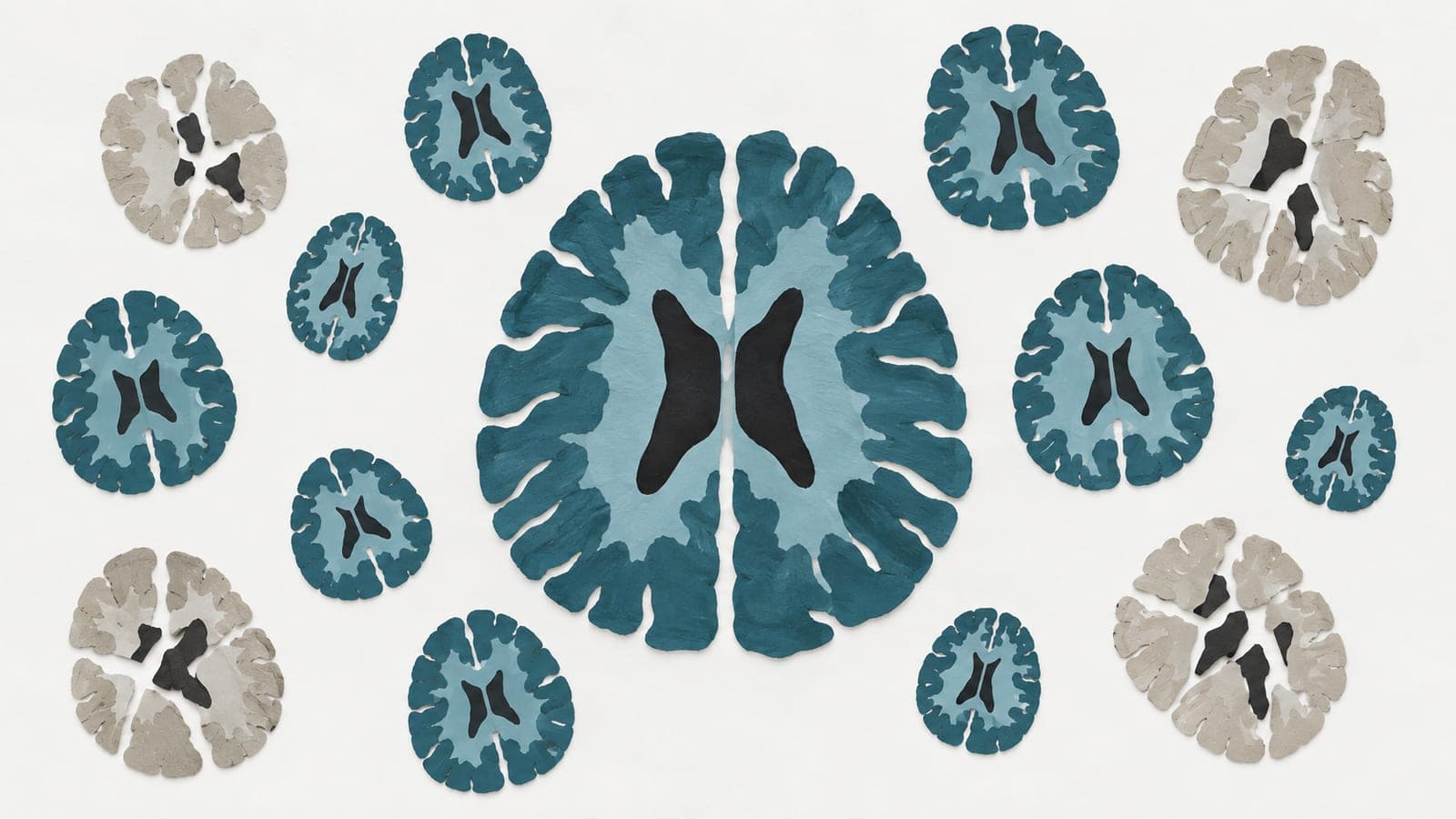
Researchers studied 1,775 older adults with unimpaired thinking abilities in an observational study using brain scans and anxiety scores. Greater shrinkage within an Alzheimer’s-related network of connected brain regions was linked to higher anxiety. The association remained after accounting for depression, thinking abilities, shrinkage of the brain’s outer layer and deposits of a protein called amyloid.
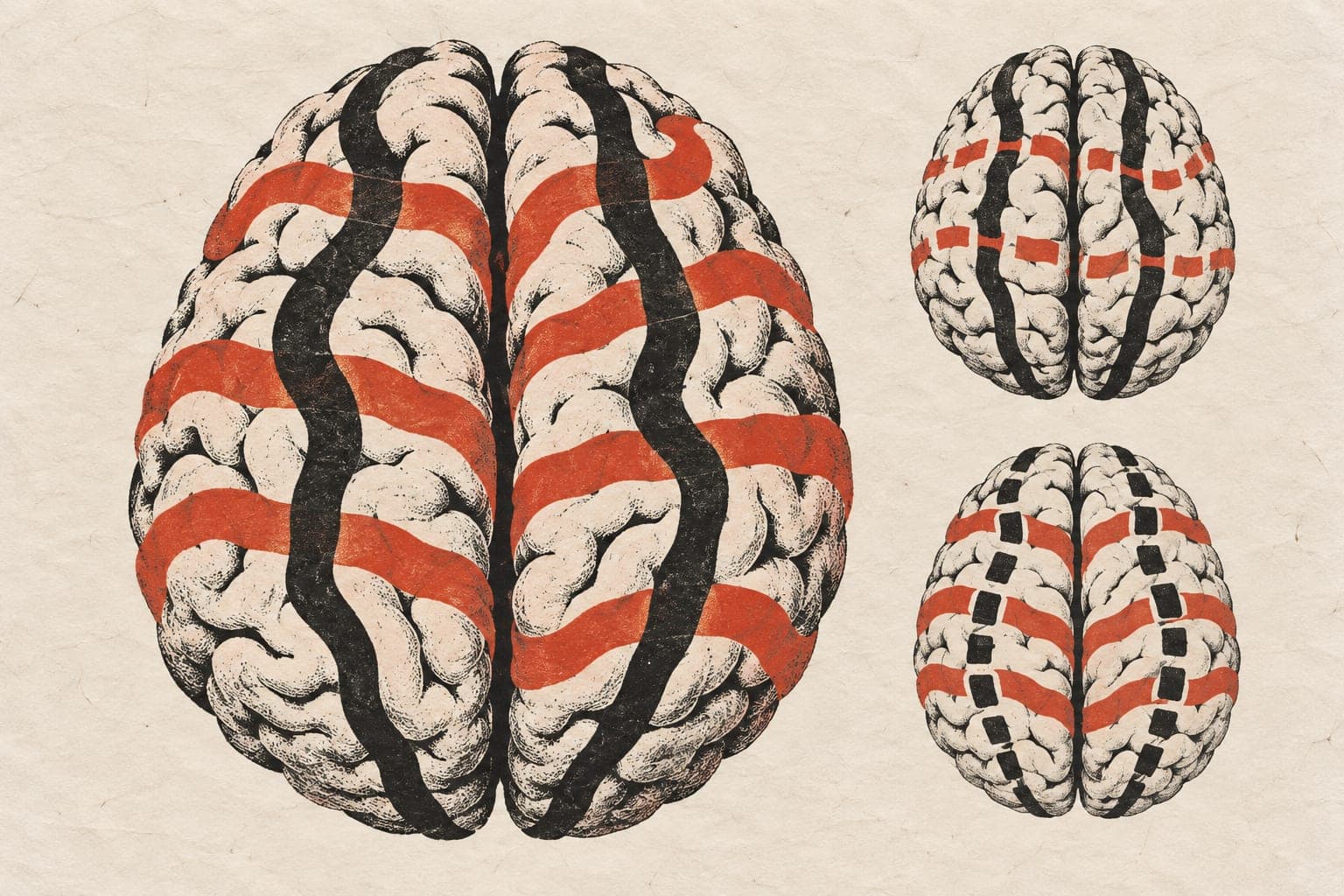
The researchers mapped anxiety-related shrinkage patterns onto a reference map of brain connections. The resulting network resembled both the Alzheimer’s-related network and a previously derived anxiety network. The overlap also appeared in independent groups with Alzheimer’s disease and Parkinson’s disease, totaling 878 people. It was specific to anxiety rather than depression. Greater shrinkage within the anxiety-related network was associated with declining thinking abilities over 4.6 years.
Why it matters
The work bears on whether anxiety could help flag early Alzheimer’s-related degeneration before thinking problems appear.
Caveats
The observational design cannot establish cause and effect. This preprint has not been peer-reviewed.
- Imaging
- Alzheimer's disease
- Parkinson's disease
- Preclinical Alzheimer's disease
- AD-related atrophy network
- Humans
The paper
Brigham and Women's Hospital
bioRxiv, Oct 26, 2026, Open access, CC0, Preprint, not peer-reviewed