Extracellular matrix composition is associated with tissue-specific decellularization susceptibility and mechanical remodeling across human urogenital tissues
Abstract
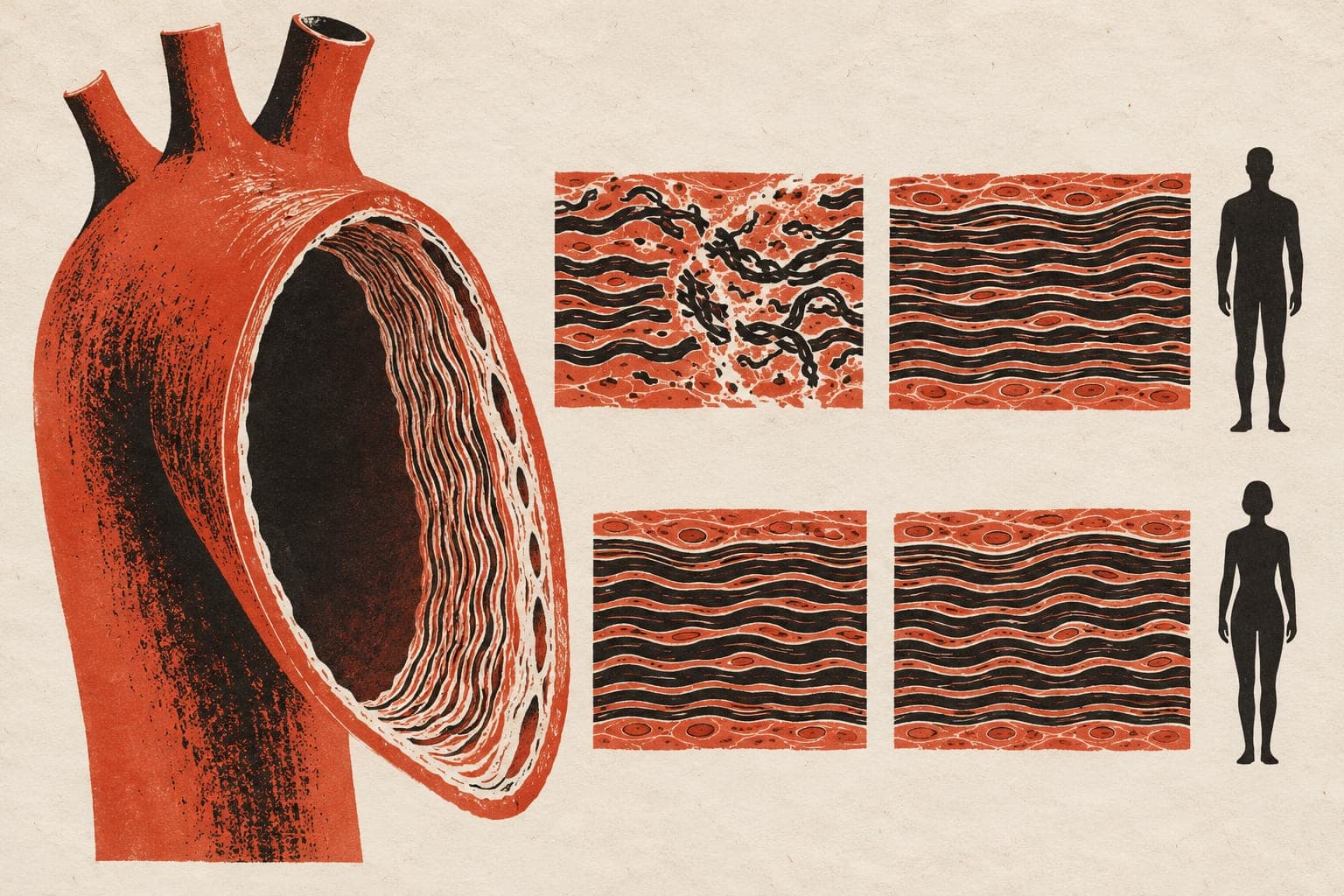
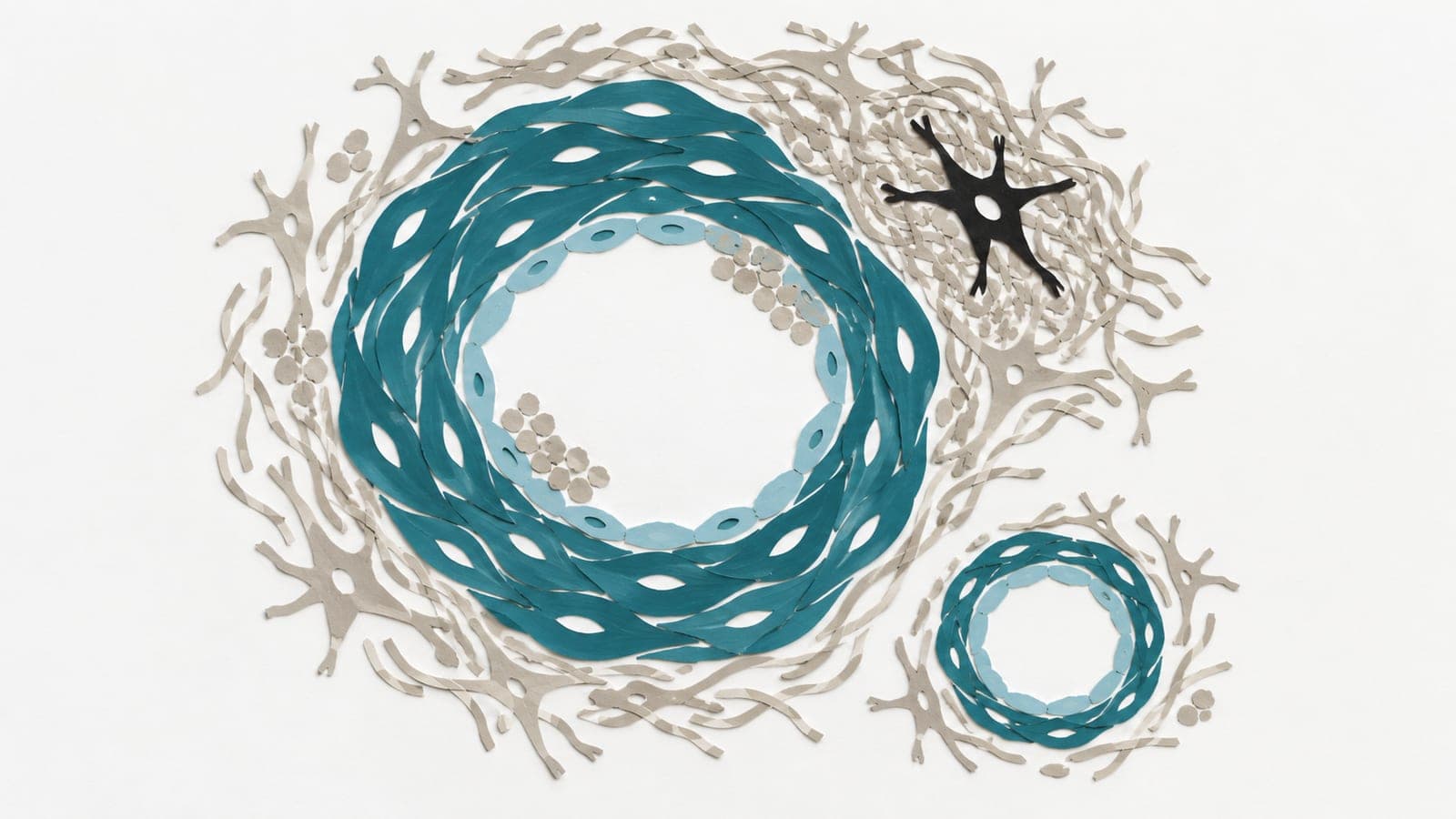
Decellularized extracellular matrices (ECMs) are widely used in regenerative medicine, yet current evaluation criteria prioritize cellular removal rather than preservation of the ECM characteristics that govern tissue behavior. Here, we demonstrate that efficient decellularization is achieved across a broad range of chemical conditions, whereas preservation of structurally and biologically relevant ECM components is confined to narrow, tissue-specific windows defined by coupled detergent interactions. Quantitative proteomics revealed that intrinsic ECM composition is strongly associated with tissue-specific susceptibility to decellularization-induced damage and provided molecular context for the distinct preservation responses between tissues. Optimized matrices retained major structural ECM components and supported tissue-specific cellular organization and cell-mediated mechanical reinforcement following cellular repopulation despite uniformly low residual DNA across protocols. Together, these findings support a shift in decellularization quality assessment from DNA-based evaluation toward preservation of biologically relevant ECM and establish a composition-driven strategy for the rational design of regenerative biomaterials with tissue-relevant biological and mechanical properties.
The paper
Université Laval; Centre de recherche du CHU de Québec-Université Laval
bioRxiv, 31 Aug 2026, Open access, CC BY, Preprint, not peer-reviewed