Age not linked to independence in one spinal tumor surgery study
Functional independence reached 88.0% in patients aged 70 or older and 89.5% in younger patients over a median follow-up of 24 months.
103 consecutive patients
Limit: Patients not referred or judged unsuitable for surgery were missing
Edited by Boris Djordjevic · AgingResearch.News
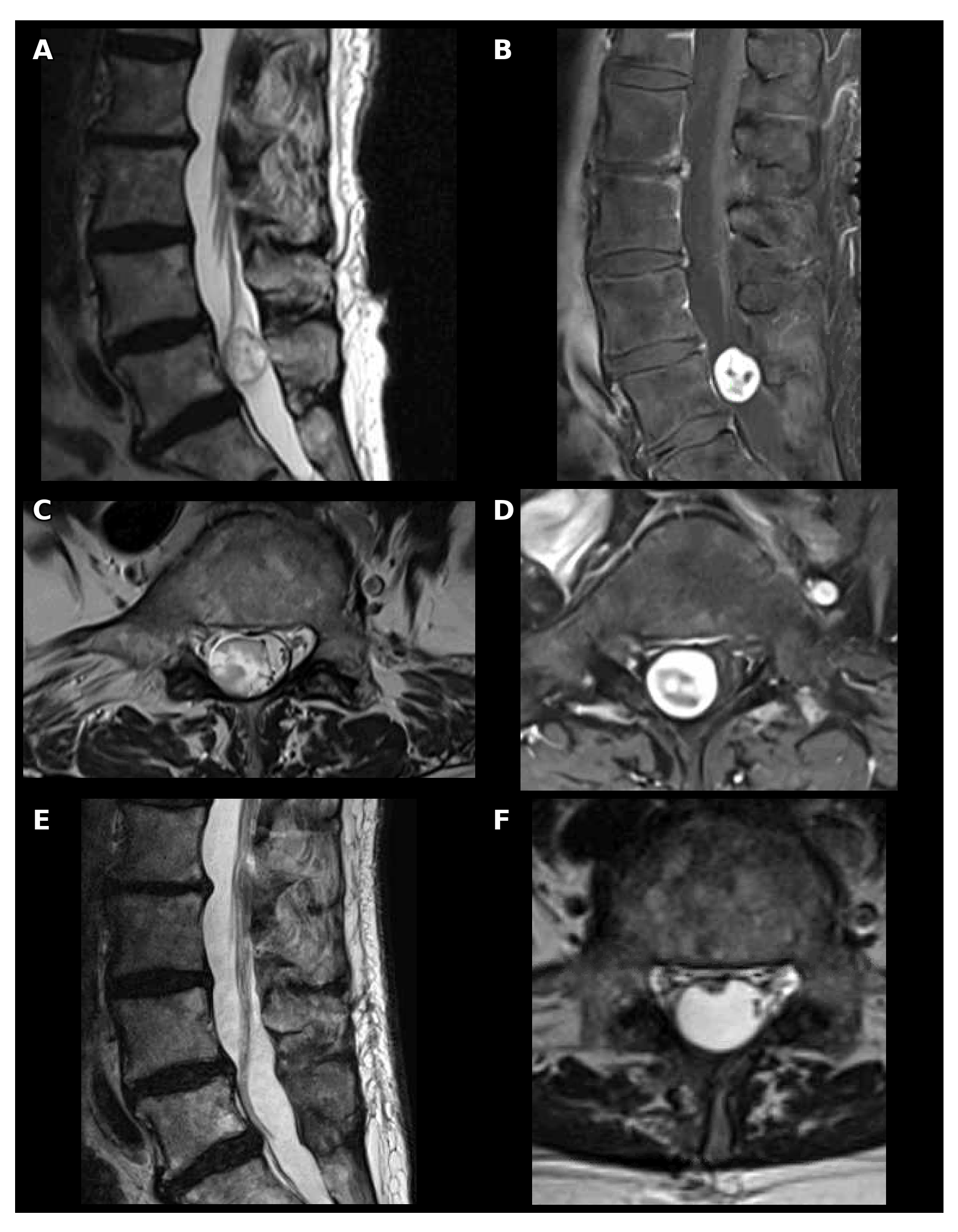
The retrospective observational study reviewed 103 patients who underwent surgery for tumors that originated inside the spinal cord’s protective covering but outside the cord itself. Patients had a median age of 58; 26 were aged 70 or older and 77 were younger. The single-center study covered operations from 2016 to 2025.
Older patients had worse function before surgery, but age 70 or older was not associated with an unfavorable functional outcome. Across the group, functional independence rose from 68.9% before surgery to 89.1% at last follow-up, a median of 24 months later. Worse function at diagnosis and myelomalacia, a form of spinal cord damage, were linked to unfavorable outcomes. Complications occurred in 10.7%, and no deaths occurred.
Why it matters
The study addressed whether chronological age should guide decisions about spinal tumor surgery in older adults. The authors concluded that age alone should not preclude surgery for the tumor type studied.
Caveats
This retrospective, single-center study included only people who underwent surgery, with just 26 aged 70 or older; it cannot rule out age-related differences in outcomes. The findings come from a preprint that has not been peer-reviewed.
From the paper
- Follow-up
Over a median follow-up of 24 months, independence rose from 68.9% to 89.1%.
- Result
Only the mRS at diagnosis (OR 3.58 per point, 95% CI 2.02–7.40) and myelomalacia (OR 4.86, 95% CI 1.28–26.52) were associated with an unfavorable outcome; age 70 years or older was not (OR 1.25, 95% CI 0.29–4.48).
- Limitation
The retrospective single-center design carries a selection bias: patients not referred or judged unsuitable for surgery were not captured, so our findings apply to operated patients and cannot be generalized to all elderly patients harboring an IDEM tumor.
Quoted word for word from the full text on researchsquare.com.
- Spinal tumor surgery
- Myelomalacia
- Meningioma
- Primary intradural extramedullary spinal tumor
- Schwannoma
- Humans
The paper
Primary Intradural Extramedullary Spinal Tumors in the Elderly: Beyond Chronological Age
Hôpital Gui de Chauliac
Research Square, Nov 1, 2026, Open access, Preprint, not peer-reviewed

Comments
Be the first to comment.