Aging linked to less consistent brain activity patterns
An observational study of more than 200 adults found lower consistency at older ages and declines within individuals over a mean of four years.
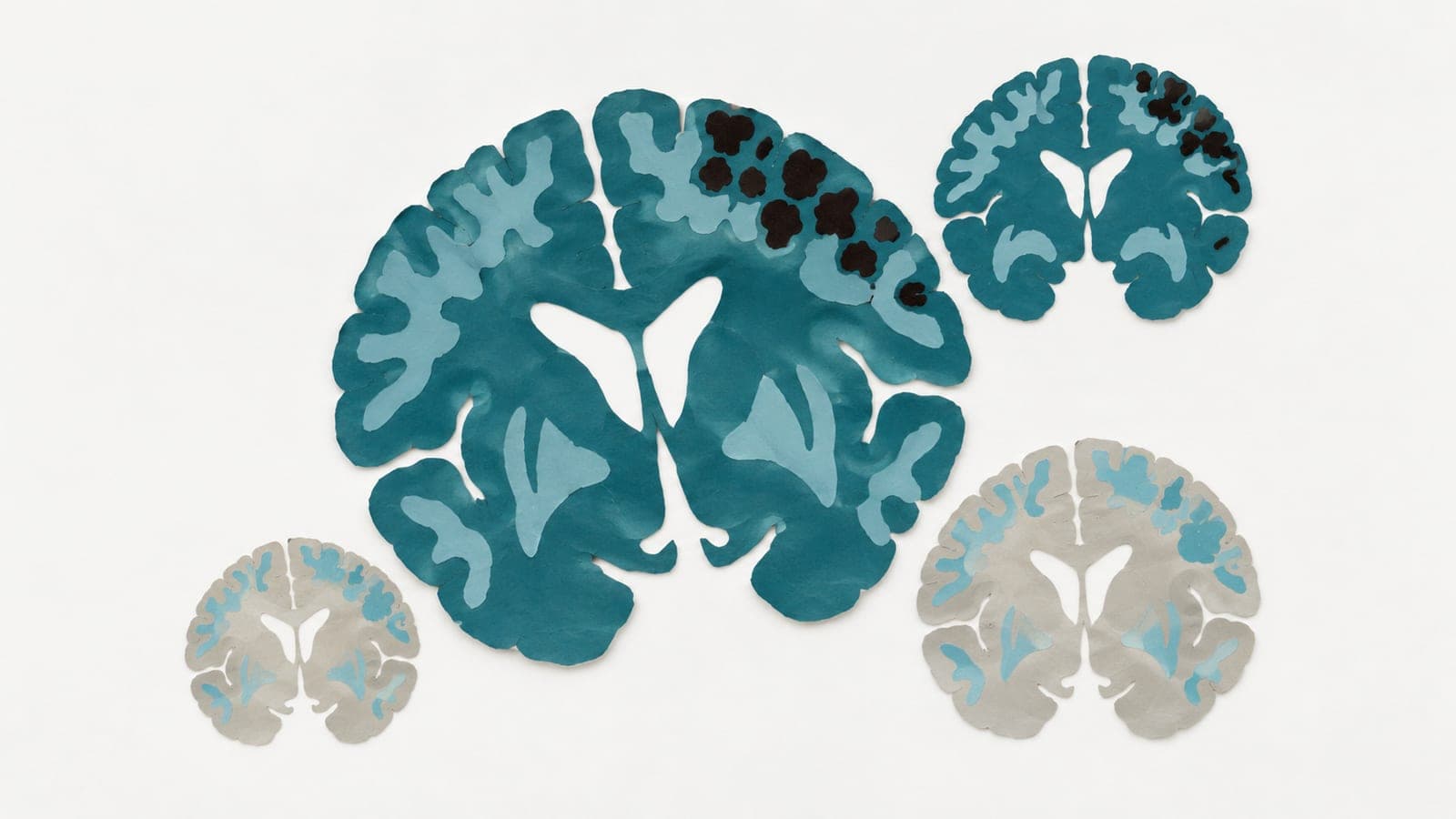
200 participants
Limit: The reported outcomes describe brain-pattern similarity, not changes in thinking or memory
Edited by Boris Djordjevic · AgingResearch.News
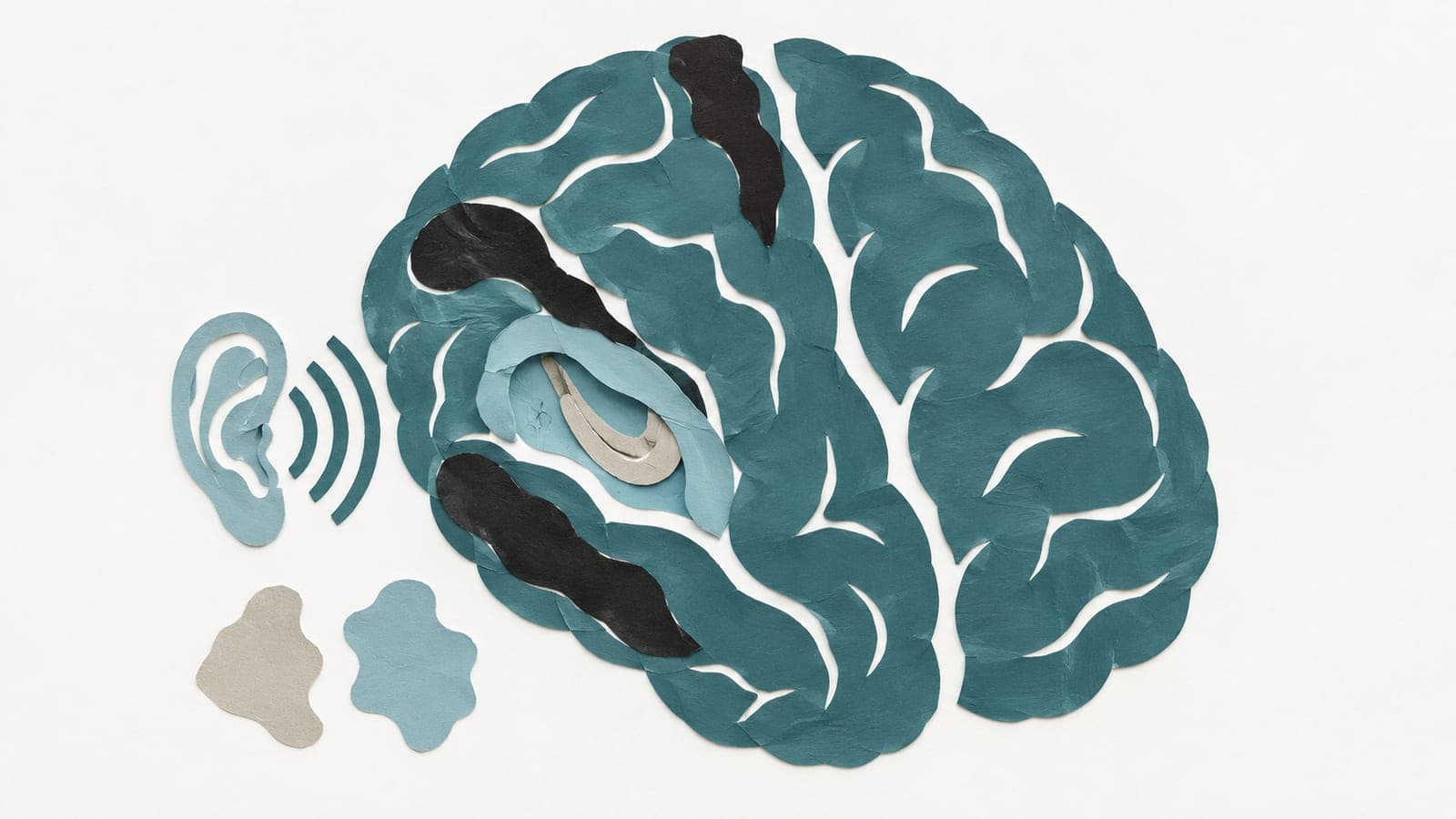
An observational study analyzed data from more than 200 adults aged 18–29 or 65–94 in the Michigan Neural Distinctiveness study. Researchers compared age groups and tracked changes within individuals in brain regions involved in vision, hearing and movement. They separated two measures: how similar brain activity patterns were within the same category, called reliability, and how similar patterns were across categories, called confusability.
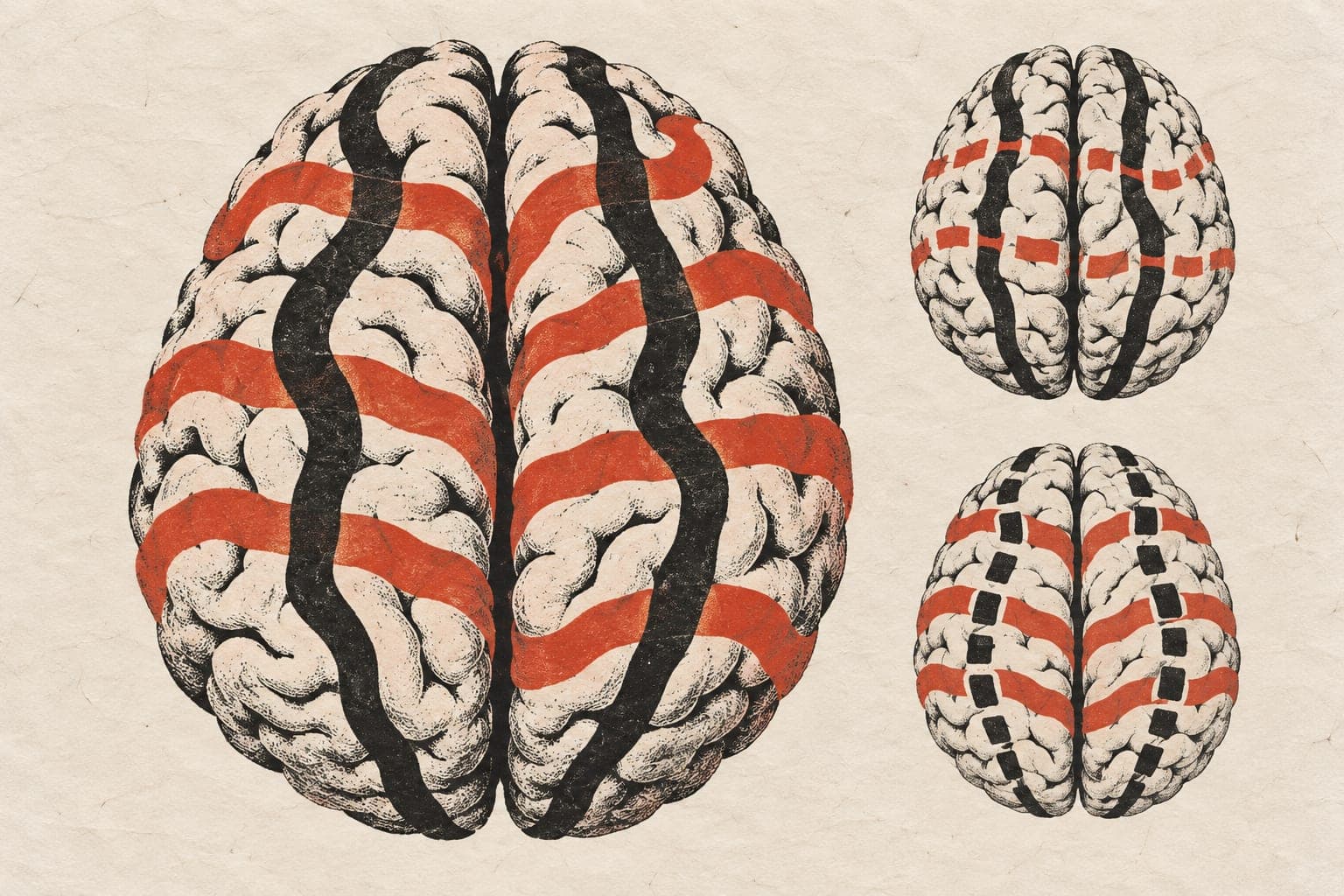
Older adults had lower reliability than younger adults. This age-group difference was larger than the corresponding difference in confusability. Reliability also declined within individuals over a mean interval of four years. The findings linked less distinct brain activity patterns with age primarily to declining reliability rather than increasing similarity across categories.
Why it matters
Cognitive aging involves changes in how distinctly the brain represents information. Separating consistency from similarity across categories may help researchers track those changes more fully.
Caveats
The observational analysis cannot establish what caused the differences or changes. This preprint has not been peer-reviewed.
The paper
Age-Related Neural Dedifferentiation Is Driven by Declining Reliability
PsyArXiv, Oct 24, 2026, Open access, Preprint, not peer-reviewed