Some erectile dysfunction drugs linked to fewer dementia diagnoses
Among male veterans with erectile dysfunction, drug use was associated with fewer Alzheimer dementia diagnoses than non-use, with an odds ratio of 0.91.
Limit: Advanced neurodegenerative disease may reduce treatment uptake, making users appear protected
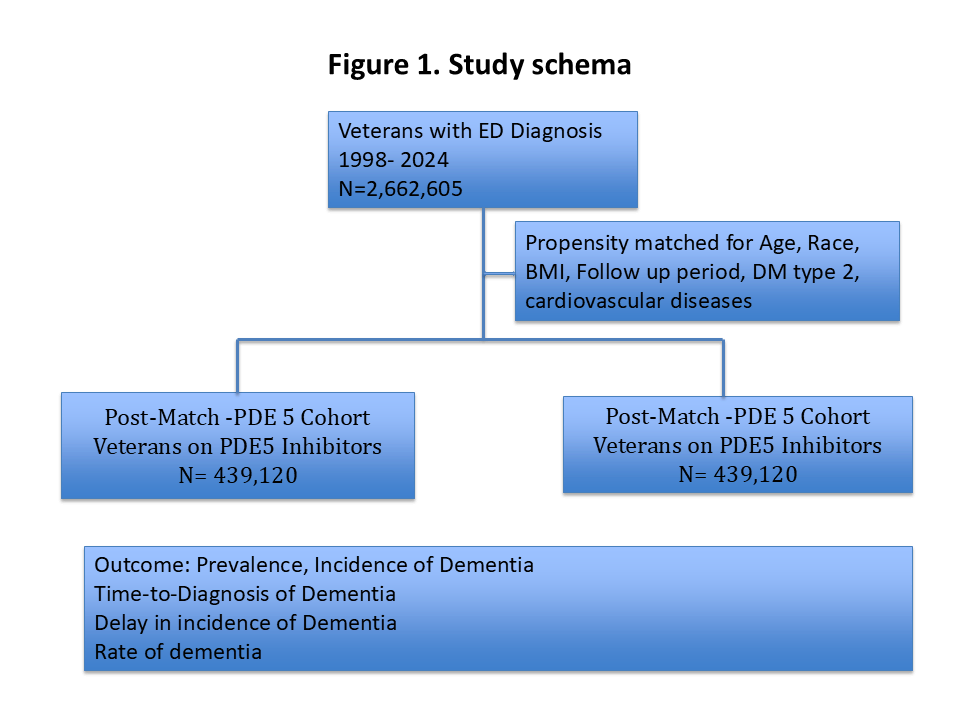
An observational study looked back at records from 878,240 male US veterans with erectile dysfunction, comparing users of certain erectile dysfunction medicines with matched non-users. Researchers used national Department of Veterans Affairs data. The medicines were phosphodiesterase type 5 inhibitors, a class of drugs used for erectile dysfunction.
Users had lower odds of an Alzheimer dementia diagnosis than non-users, with an odds ratio of 0.91. An odds ratio below one indicates lower odds among users. Drug use was also associated with dementia diagnoses occurring two to three years later across several types of dementia. The associations persisted in further analyses that tested how robust the results were.
Why it matters
Dementia is a major concern as people age. The authors called for further research, including possible clinical trials, to test whether these existing medicines could reduce its incidence.
Caveats
This observational study cannot establish cause and effect; it relied on administrative diagnostic codes and lacked information on whether people took the medicines as prescribed. The preprint has not been peer-reviewed, and its findings may not apply beyond male veterans with erectile dysfunction.
From the paper
- Result
… with odds ratios (ORs) of 0.91 for Alzheimer dementia (95% CI, 0.85–0.96), 0.83 for frontotemporal (95% CI, 0.69–1.00), and 0.84 for vascular dementia (95%, CI 0.79–0.89).
Quoted word for word from the full text on researchsquare.com.
The paper
Dementia and PDE5 inhibitors: A retrospective cohort study of veterans
Kansas City VA Medical Center
Research Square, 13 Oct 2026, Open access, Preprint, not peer-reviewed