Kidney aging signs linked to faster decline in diabetic kidneys
In 24 people with diabetic kidney disease, higher tissue-aging scores were linked to faster kidney-function loss, with an adjusted correlation of -0.61.
Our read
Biomarkers- Studied:
- Preprint: cohort study of 24 people with diabetic kidney disease
- What changed:
- Higher tissue-aging scores were linked to faster kidney-function loss in people with diabetic kidney disease
- The catch:
- Other features of diabetic kidney damage may account for the link with decline
- Why it’s aging research:
- It looks at how biology varies with age or lifespan.
Editor of record: Boris Djordjevic · AgingResearch.News
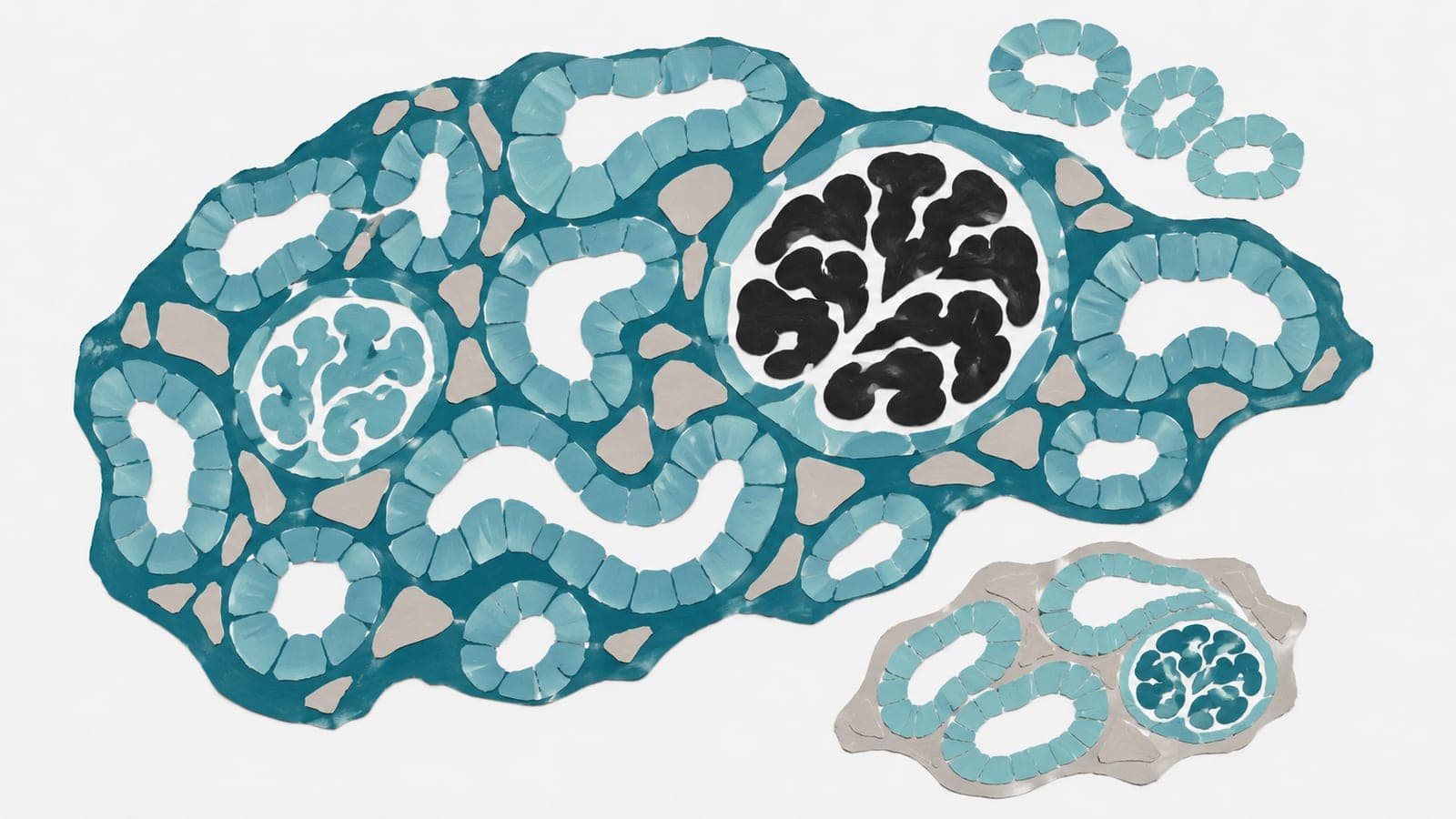
Kidney biopsies from 24 healthy living donors aged 36–66 and 28 people with diabetic kidney disease were compared in an observational study. The team mapped gene activity and cell locations, then used age-related gene activity in donors to build tissue-aging scores. Older donors had fewer contacts between certain cell types, despite little change in the proportions of cells. Stress-response gene activity also rose with age in donors.
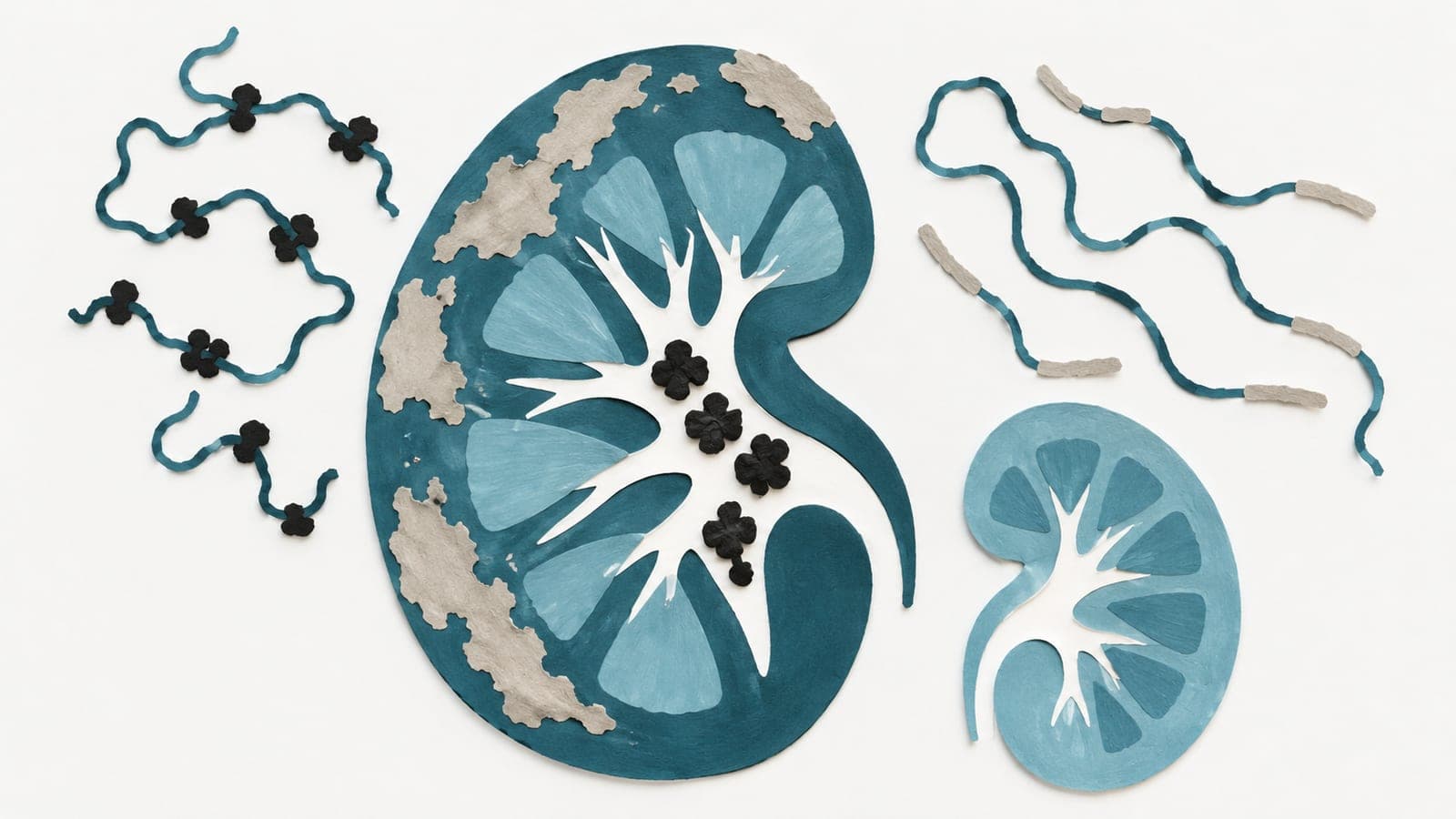
Kidneys with diabetic disease showed broadly similar changes in cell contacts. In 24 patients followed after biopsy, higher scores were associated with faster loss of estimated kidney filtering capacity, after accounting for age, sex, initial kidney function and protein in urine. The association did not hold for scores from podocytes, kidney filtering cells. Scores estimated from routine stained microscope slides tracked the gene-based scores and were also linked to faster decline.
Why it matters
These tissue changes may help researchers investigate how healthy kidney aging overlaps with disease-related decline.
Caveats
The age patterns came from comparisons between donors, not repeated measurements as they aged; other features of diabetic kidney damage may have contributed to the link with decline. The progression analysis included 24 patients, and the preprint has not been peer-reviewed.
The paper
Seoul National University
medRxiv, Nov 6, 2026, Open access, CC BY-NC-ND, Preprint, not yet peer-reviewed

Comments
Be the first to comment.