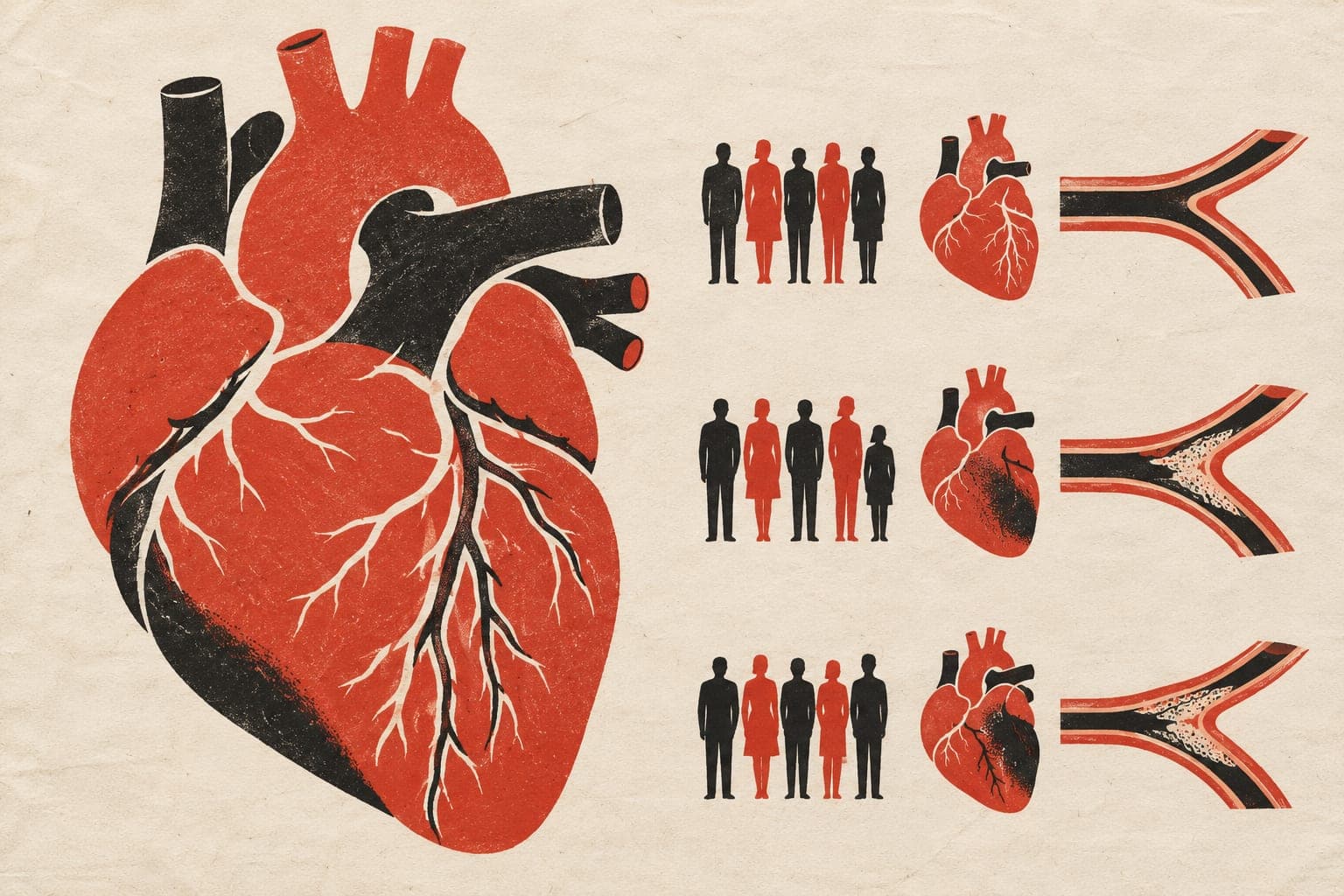
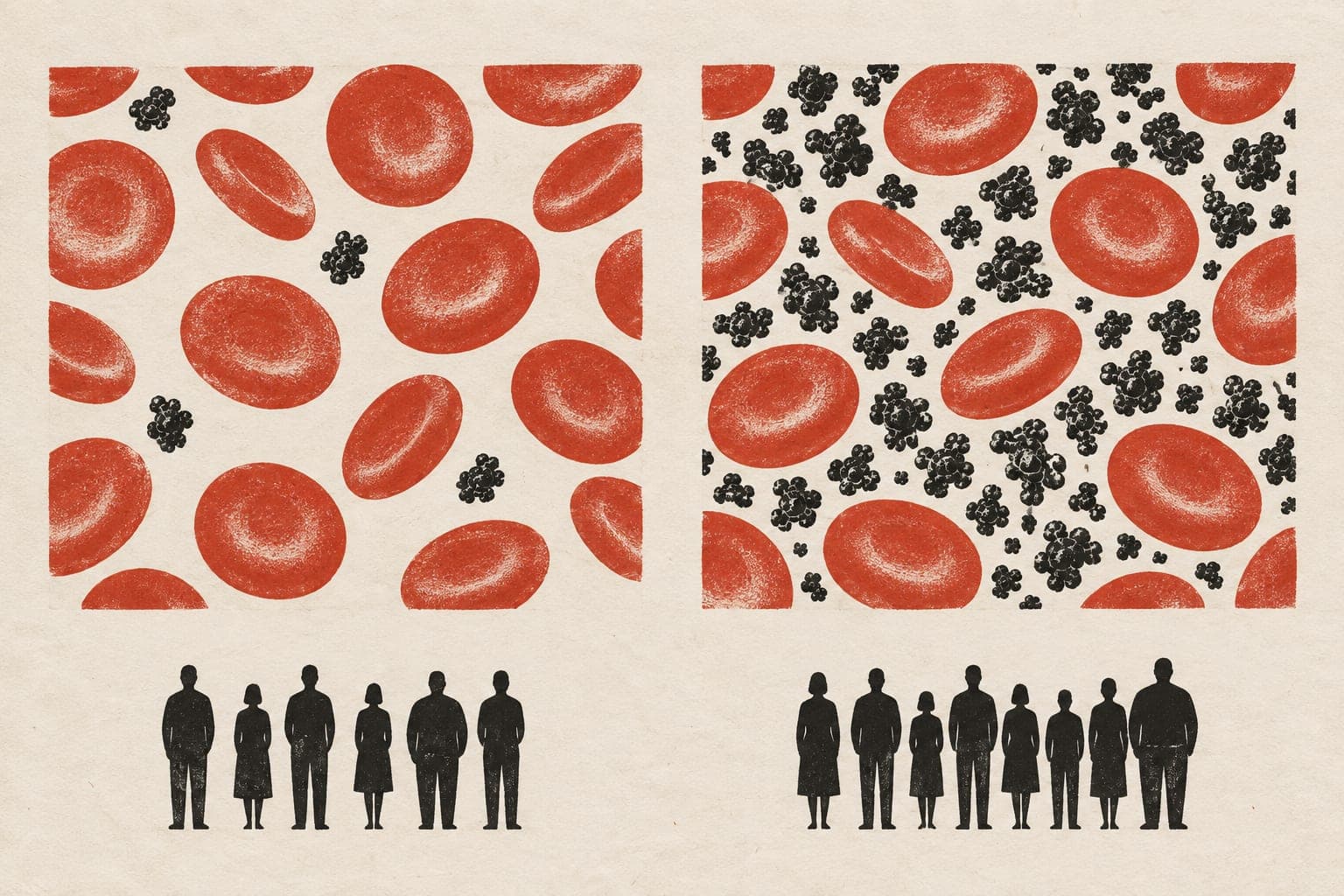
Social vulnerability in health records is linked to mortality risk
In 193,629 adults, each one-unit rise in a six-point social vulnerability score was linked to a higher risk of death, with a hazard ratio of 1.23.
medRxiv
In an observational study of 193,629 individuals aged 35 to 102 in Central Finland, researchers analysed routinely collected electronic health records between 2010 and 2023. Using natural language processing, an artificial intelligence method that extracts information from clinical text, they built a six-item social vulnerability index scored from 0 to 6 from routine medical notes. Scores were calculated at baseline and annually. The average baseline score across all participants was 0.35. Women had higher baseline scores than men (0.39 compared with 0.32), and scores increased with age. Over up to 12 years of follow-up, each one-unit increase in the score was associated with a higher risk of all-cause mortality, with a hazard ratio of 1.23. Each one-unit increase was also linked to higher odds of using healthcare services and greater overall healthcare use.
Why it matters
Social disadvantages often accumulate with age and can influence health and lifespan, but tracking them across large populations has remained difficult. Deriving vulnerability scores from routine clinical notes may help researchers evaluate how social factors relate to long-term health risks in aging populations.
Caveats
The findings come from observational health records from a single region in Finland and cannot establish whether social vulnerability causes worse health outcomes or higher mortality. In addition, this work is a preprint that has not yet been peer-reviewed.
The paper
Show 7 more authors
M. Haapanen, K. Koivunen, A. A. Peltola, M. Niemela, E. Hoogendijk, J. Lin, J. Jylhava,University of Jyvaskyla
medRxiv · 8 Oct 2026 · CC BY-NC-ND · Preprint, not peer-reviewed