Blood sugar swings linked to sudden confusion in older patients
Delirium occurred in 41.8% of the highest blood sugar variability group versus 28.7% of the lowest among older intensive care patients.
Our read
Populations- Studied:
- Cohort study of 16,335 critically ill older adults (Dose-response)
- What changed:
- Delirium odds were 42% higher in patients with the highest blood sugar variability than in those with the lowest
- The catch:
- Differences in patients’ illnesses or care could explain both blood sugar swings and delirium
- In the record:
- The 29th paper on glycemic variability with results in people; 64 on record in all.
Editor of record: Boris Djordjevic · AgingResearch.News
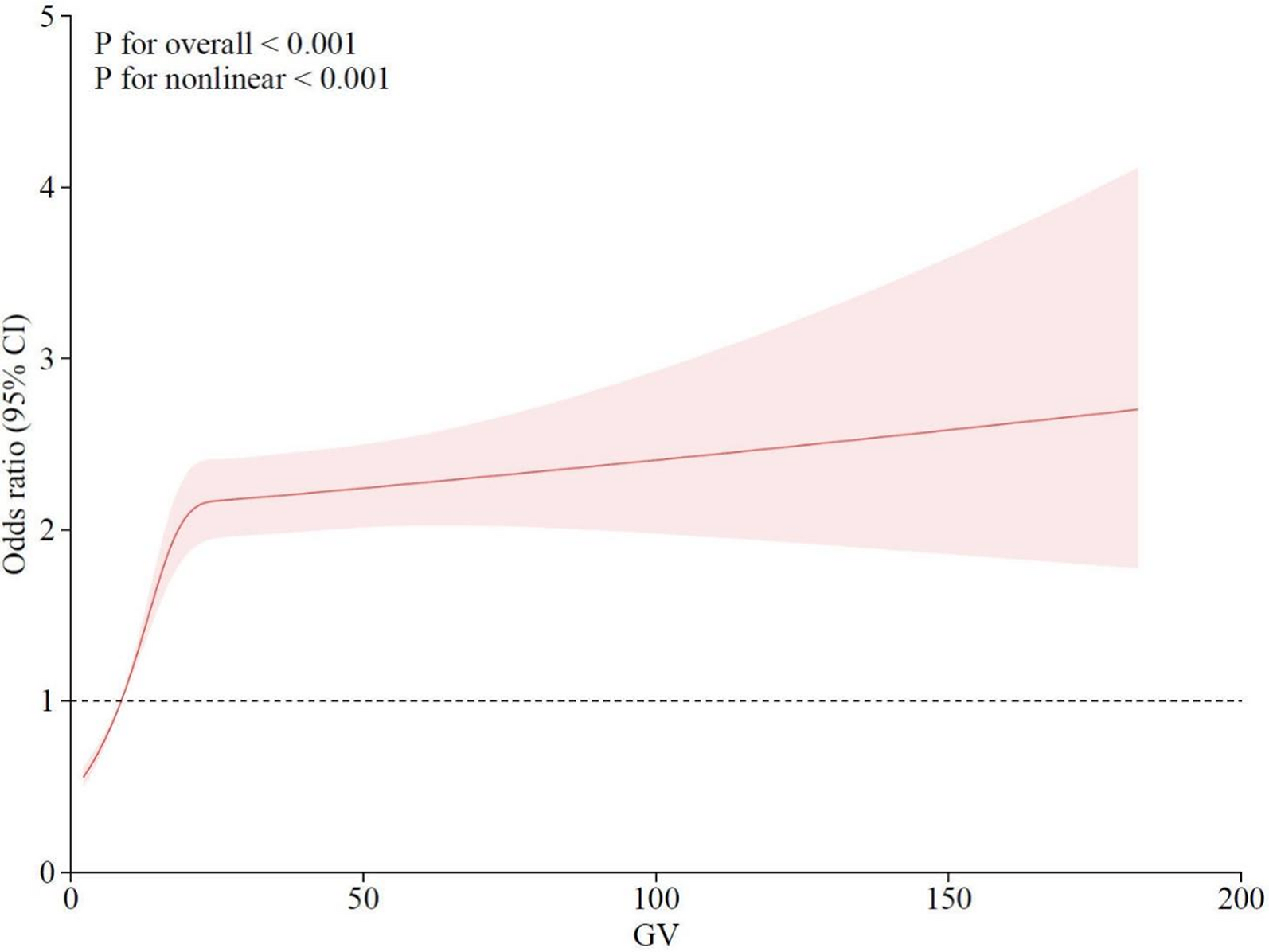
Among 16,335 critically ill patients aged 65 or older, greater variation in blood sugar was associated with delirium, a sudden state of confusion. The retrospective cohort study analyzed records from the MIMIC-IV database. Researchers divided patients into four groups based on how much their blood sugar measurements varied relative to their average level. They assessed delirium using an intensive care screening tool.
After accounting for demographics, clinical measures and other illnesses, patients in the highest-variability group had 42% higher odds of delirium than those in the lowest group. The association held across subgroups, including people with and without diabetes. Adding blood sugar variability also improved the models’ ability to classify patients by delirium risk.
Why it matters
The authors suggest that blood sugar variability may be a modifiable target for preventing delirium in critically ill older adults.
Caveats
Other differences in patients’ illnesses or care could have contributed to both blood sugar variability and delirium despite statistical adjustments. The cohort included only critically ill patients aged 65 or older.
- Delirium
- Critical illness
- Blood glucose
- Confusion Assessment Method for the Intensive Care Unit
- Glycemic variability
- Humans
The paper
Soochow University
Diabetology & Metabolic Syndrome, Aug 12, 2026, Open access
Comments
Be the first to comment.