Text reminders did not clearly boost blood pressure rechecks
Repeat kiosk checks occurred in 12.0% with text reminders versus 9.8% with usual care among 2,281 adults with raised blood pressure.
Our read
Interventions- Studied:
- Randomized trial in 2,281 adults with raised kiosk blood pressure, against usual care (Multicenter)
- What changed:
- Repeat kiosk blood pressure checks did not clearly increase with texts: 12.0% versus 9.8% with usual care
- The catch:
- Counting only kiosk rechecks could miss blood pressure checks at doctors' offices
- Why it’s aging research:
- It bears on staying healthy in midlife and later life.
Editor of record: Boris Djordjevic · AgingResearch.News
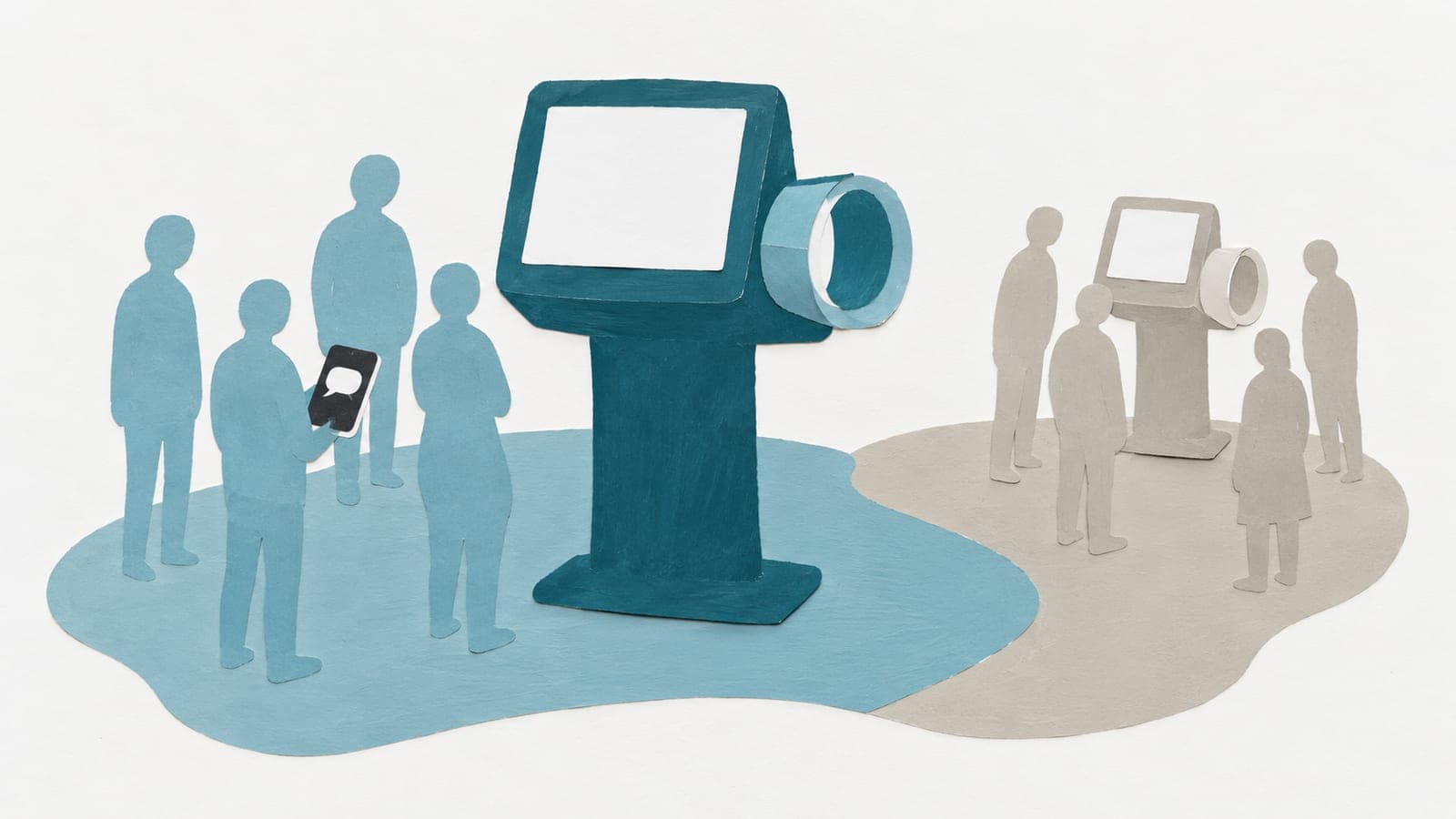
In a cluster-randomized trial, 2,281 adults aged 18 or older had raised blood pressure at kiosks in 30 hardware stores in New South Wales, Australia. Men made up 66% of participants. Eligible readings were at least 140/90 mmHg. Stores were assigned to usual care or automated texts at 1, 2 and 12 weeks encouraging repeat checks, doctor visits and self-care.
Texts did not significantly increase repeat kiosk checks overall, but increased them among men and participants from higher socioeconomic areas. Texts were also associated with greater self-reported doctor attendance: 88% versus 79% with usual care. The groups did not differ significantly in blood pressure changes, reaching target blood pressure, weight or body fat percentage.
Why it matters
High blood pressure is an age-related health concern. The trial addressed how screening outside clinics might connect people with follow-up care.
Caveats
The trial randomized 30 stores rather than individuals, and only 12.0% of the text group and 9.8% of controls repeated kiosk checks. Doctor attendance was exploratory and self-reported; the findings do not cover children, adults with normal kiosk readings or people who declined mobile contact.
The paper
The George Institute for Global Health
ESC Congress 2026 Abstract, Oct 26, 2026, Open access
Presented at ESC Congress 2026

Comments
Be the first to comment.