Delayed follow-up osteoporosis drugs linked to more hip fractures
Among 8,893 patients, high adherence to teriparatide was linked to a 20% lower relative hip fracture risk than lower adherence.
Our read
Interventions- Studied:
- Study in people
- Why it’s aging research:
- It bears on staying healthy in midlife and later life.
Editor of record: Boris Djordjevic · AgingResearch.News
Among 8,893 patients with osteoporosis in Hungary, a retrospective cohort study examined hip fractures after starting teriparatide, a bone-building drug. Researchers used national health insurance records from 2010–2023. They tracked fractures from day 180 after treatment began for up to five years, recording 574 hip fractures.
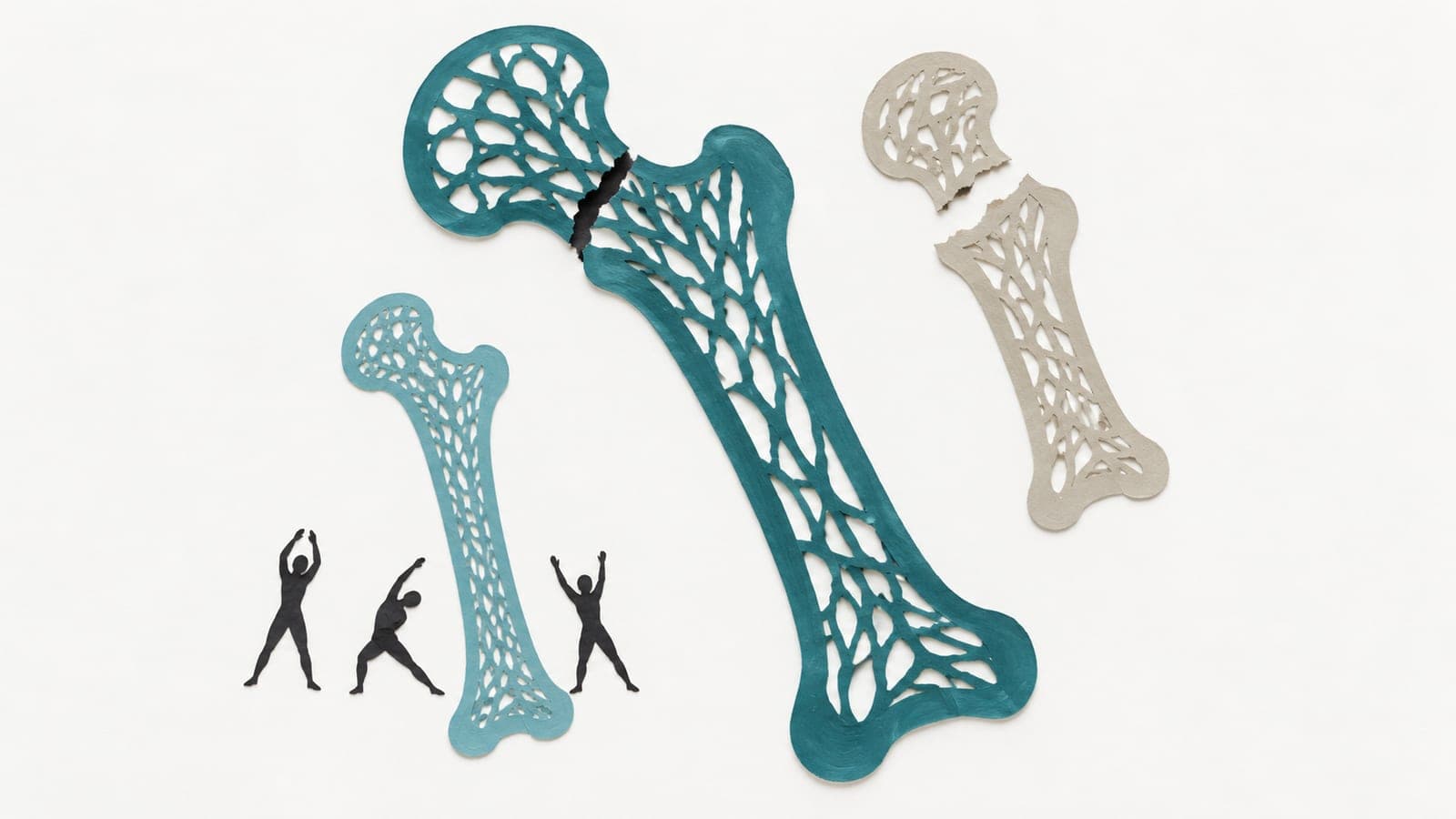
High adherence was associated with a 20% lower relative hip fracture risk. Among highly adherent patients, delaying follow-up medication for more than 90 days after teriparatide ended was associated with higher risk: 19% for bisphosphonates and 31% for denosumab. Both follow-up treatments slow bone breakdown. The analysis accounted for demographics, prior fractures and healthcare use. More fractures before treatment were also associated with higher subsequent risk.
Why it matters
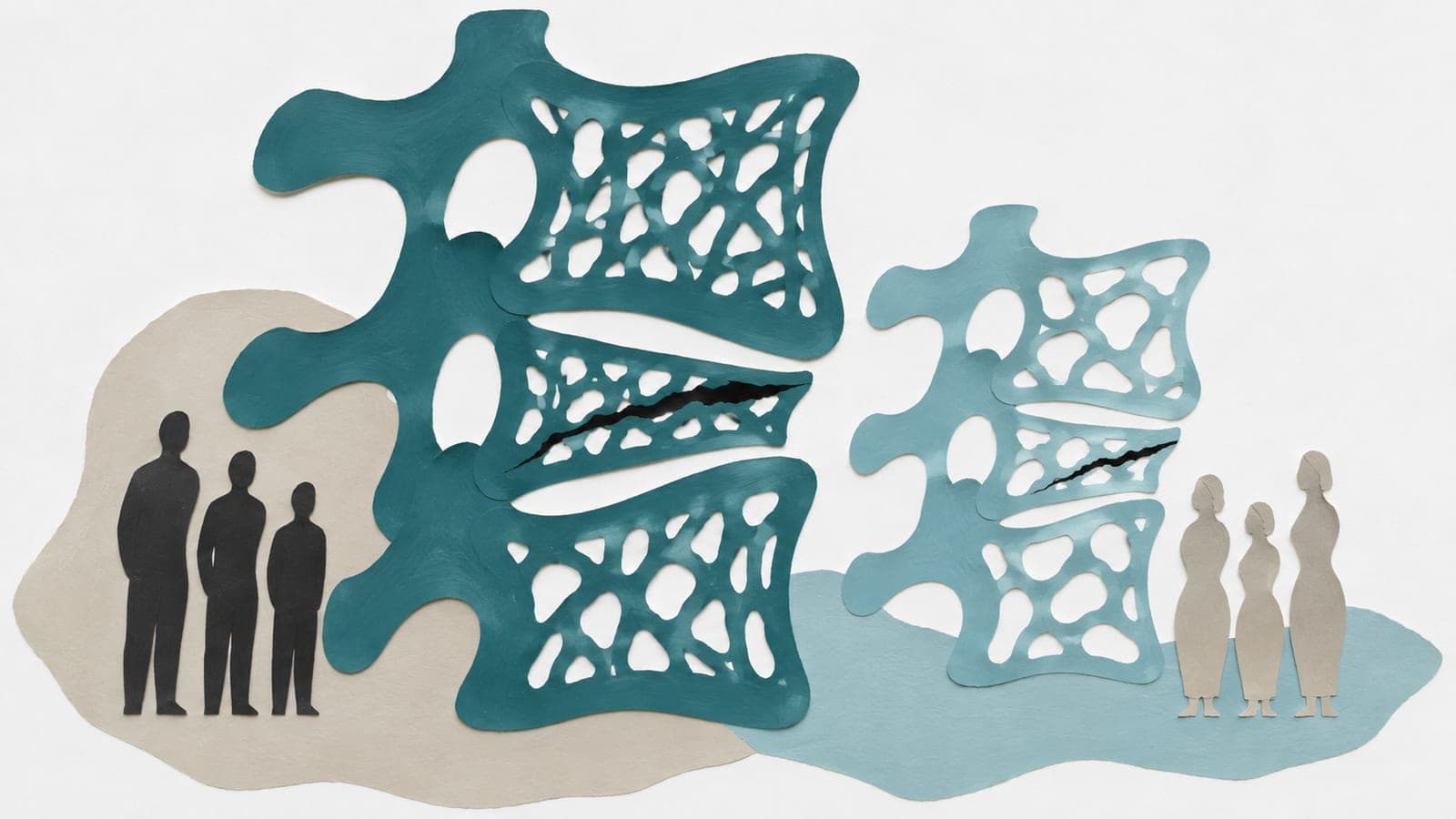
Osteoporosis is an age-related cause of fragile bones. The findings bear on how the timing and continuity of medication may support long-term fracture prevention.
Caveats
Patients who consistently obtained medication or started follow-up drugs sooner may also have differed in health or care in ways the analysis did not capture. Adherence reflected medication possession, not whether patients took each dose.
The paper
Semmelweis University
Journal of Bone and Mineral Research, Nov 8, 2026
Comments
Be the first to comment.