Most moderate or severe mitral leaks lacked valve-flap disease
Among moderate or severe mitral leaks, 68.5% involved widening of the valve’s supporting ring or changes in the main pumping chamber.
10,000 participants
Limit: Participants without available heart ultrasounds were left out of the subtype estimates
Edited by Boris Djordjevic · AgingResearch.News
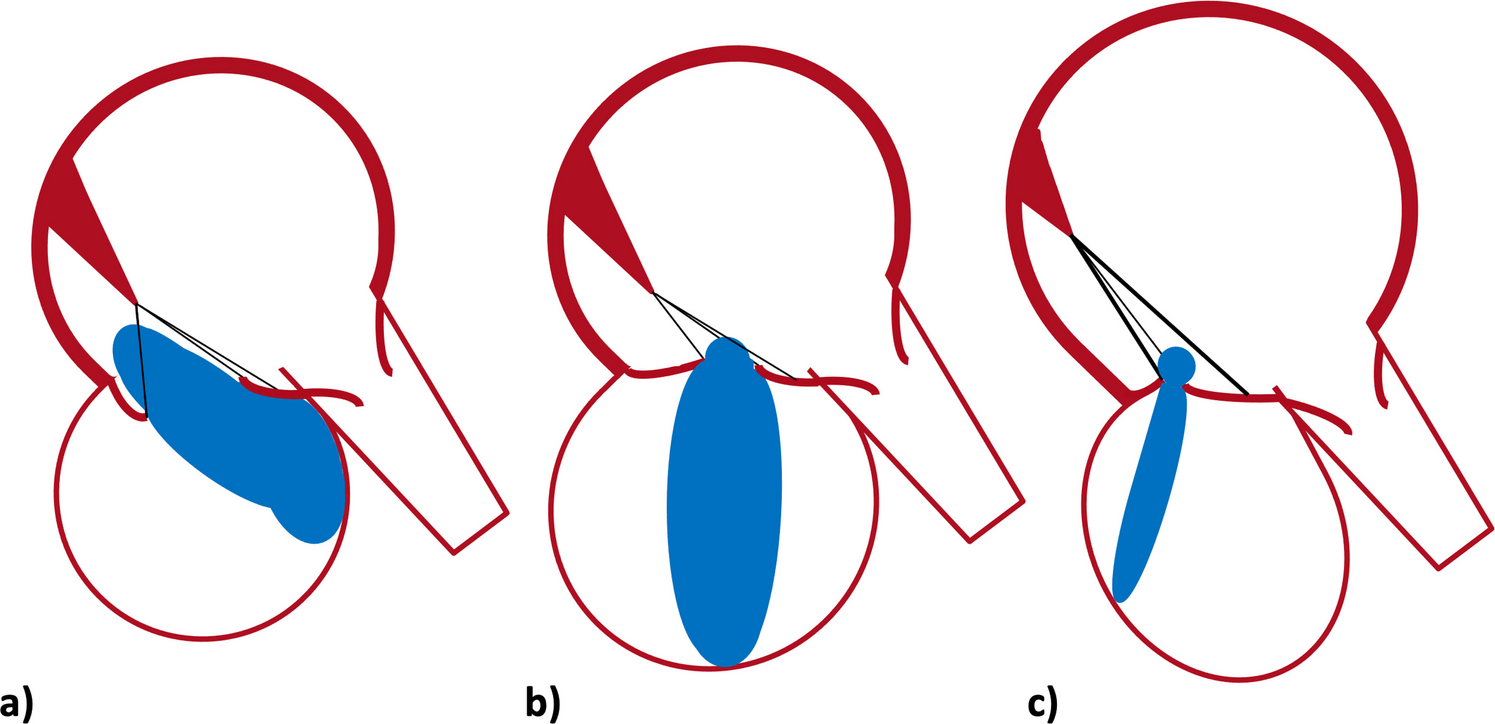
In an observational study of Hamburg City Health Study participants, researchers analyzed 8,543 heart ultrasound examinations from the first 10,000 people enrolled in 2016–2019. They assessed mitral regurgitation, blood leaking backward through a valve on the heart’s left side. Moderate or severe leakage affected 216 participants, or 2.53%.
Secondary leakage accounted for 148 cases. It involved widening of the valve’s supporting ring or changes in the main pumping chamber, without disease of the valve flaps. Among secondary cases, 84.5% were the atrial type, involving ring widening, and 15.5% were the ventricular type, involving pumping-chamber changes. People with ventricular-type leakage were older, had more symptoms and showed more advanced heart changes than those with atrial-type leakage. People with primary leakage, involving valve-flap abnormalities, had more severe leakage than those with secondary leakage.
Why it matters
Distinguishing these forms of valve leakage may help researchers investigate their different long-term implications for heart health in older adults. The authors called for follow-up studies to clarify the outlook for each subtype.
Caveats
This observational study could not establish cause and effect or determine how the subtypes developed over time. The subtype findings came from 216 participants with moderate or severe leakage.
- Mitral regurgitation
- Atrial secondary mitral regurgitation
- Primary mitral regurgitation
- Secondary mitral regurgitation
- Ventricular secondary mitral regurgitation
- Humans
The paper
Primary, atrial secondary, and ventricular secondary mitral regurgitation in the general population
University Heart and Vascular Center Hamburg; German Center for Cardiovascular Research (DZHK)
Clinical Research in Cardiology, Oct 27, 2026


