Remote program improved cognition in cognitively impaired older adults
Cognitive test scores improved by 2.3 points more with the six-month video-based exercise and nutrition program than with usual health promotion services.
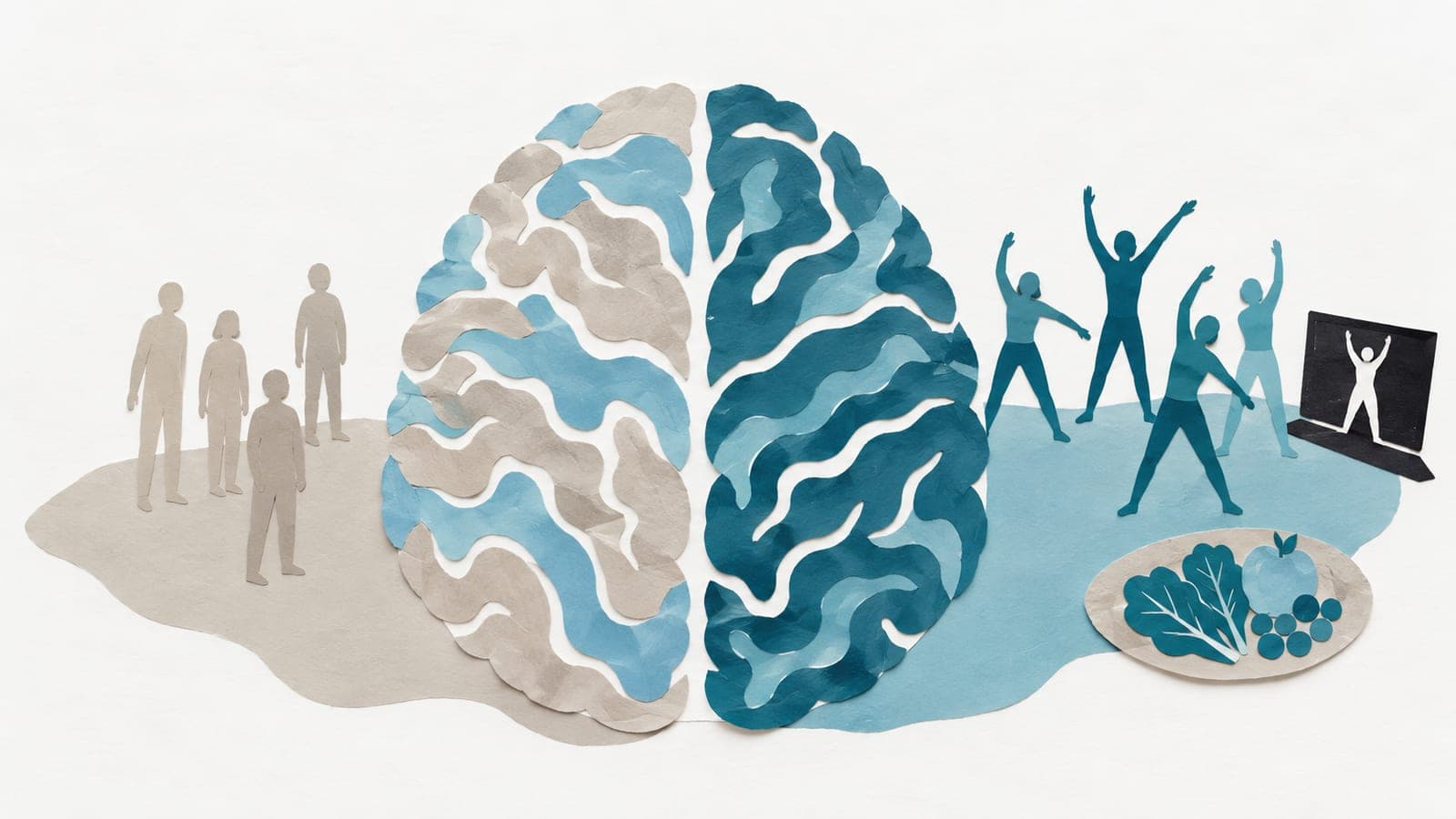
Multicenter, registered KCT0004547
Limit: The separate effects of exercise and nutritional support were not measured
Edited by Boris Djordjevic · AgingResearch.News
The randomized trial enrolled 140 adults aged 60–80 in South Korea who had cognitive impairment but remained functionally independent. Their average age was 75, and 60% were women. At two public health centers, researchers randomly assigned equal numbers to six months of exercise by videoconference with nutritional support or usual health promotion services.
At six months, the program group improved by 2.3 points more than controls on the Korean version of the Montreal Cognitive Assessment, a cognitive test. The difference was 1.1 points at 12 months. The intervention was also associated with improvements in functional independence and frailty at both assessments. No intervention-related adverse events were reported.
Why it matters
Cognitive impairment is common among older adults living in the community. The findings support remote programs integrated into community and primary care, particularly when access to in-person care is limited.
Caveats
The trial tested exercise and nutritional support together, so it could not separate their effects. It did not test people outside ages 60–80 or those without preserved functional independence.
- Exercise
- Nutritional support
- Remote multicomponent intervention
- Cognitive impairment
- Montreal Cognitive Assessment-Korean version
- Humans
Exercise is part of Bryan Johnson's Blueprint
The paper
University of Ulsan College of Medicine; Marcus Institute for Aging Research
Age and Ageing, Aug 3, 2026

