Corn and milk proteins similarly boost muscle protein production
Muscle protein production rose 216% from baseline with 20 grams of corn protein, versus 77% with a low-energy placebo without protein.
Our read
Interventions- Studied:
- Randomized trial in 48 healthy older adults, against milk protein (Double-blind, placebo-controlled, registered NCT05917223)
- What changed:
- Muscle protein production rose similarly: 216 ± 170% with corn versus 138 ± 78% with milk
- The catch:
- Only 48 healthy older adults were included
- Stake:
- An author holds patents licensed to Exerkine.
Editor of record: Boris Djordjevic · AgingResearch.News
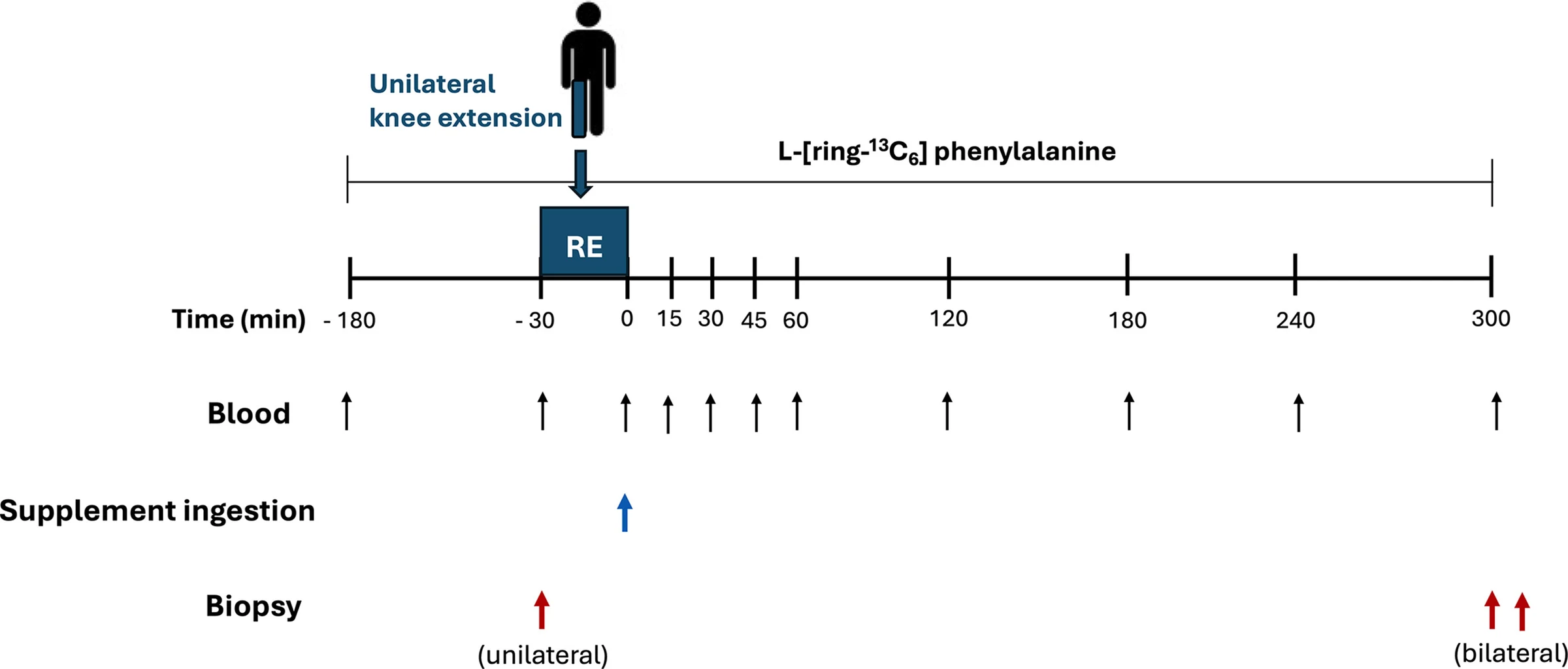
A randomized, double-blind, placebo-controlled trial studied 48 healthy older adults whose average age was 68. The participants included 24 men and 24 women. They consumed 20 grams of corn protein, a pea-and-corn protein blend or milk protein, or received a low-energy placebo without protein. Each participant also performed three sets of 10 knee extensions with one leg. Researchers collected blood and muscle samples to measure muscle protein production.
All three protein options increased muscle protein production more than the placebo. The researchers found no differences between the protein groups. Resistance exercise further increased muscle protein production compared with supplementation alone in every group.
Why it matters
Older adults have a reduced muscle-building response to protein. The trial addressed whether protein source matters for stimulating production of new muscle proteins in later life.
Caveats
The measured outcome was muscle protein production, which does not establish lasting gains in muscle size or strength. The trial included only 48 healthy older adults.

Comments
Be the first to comment.