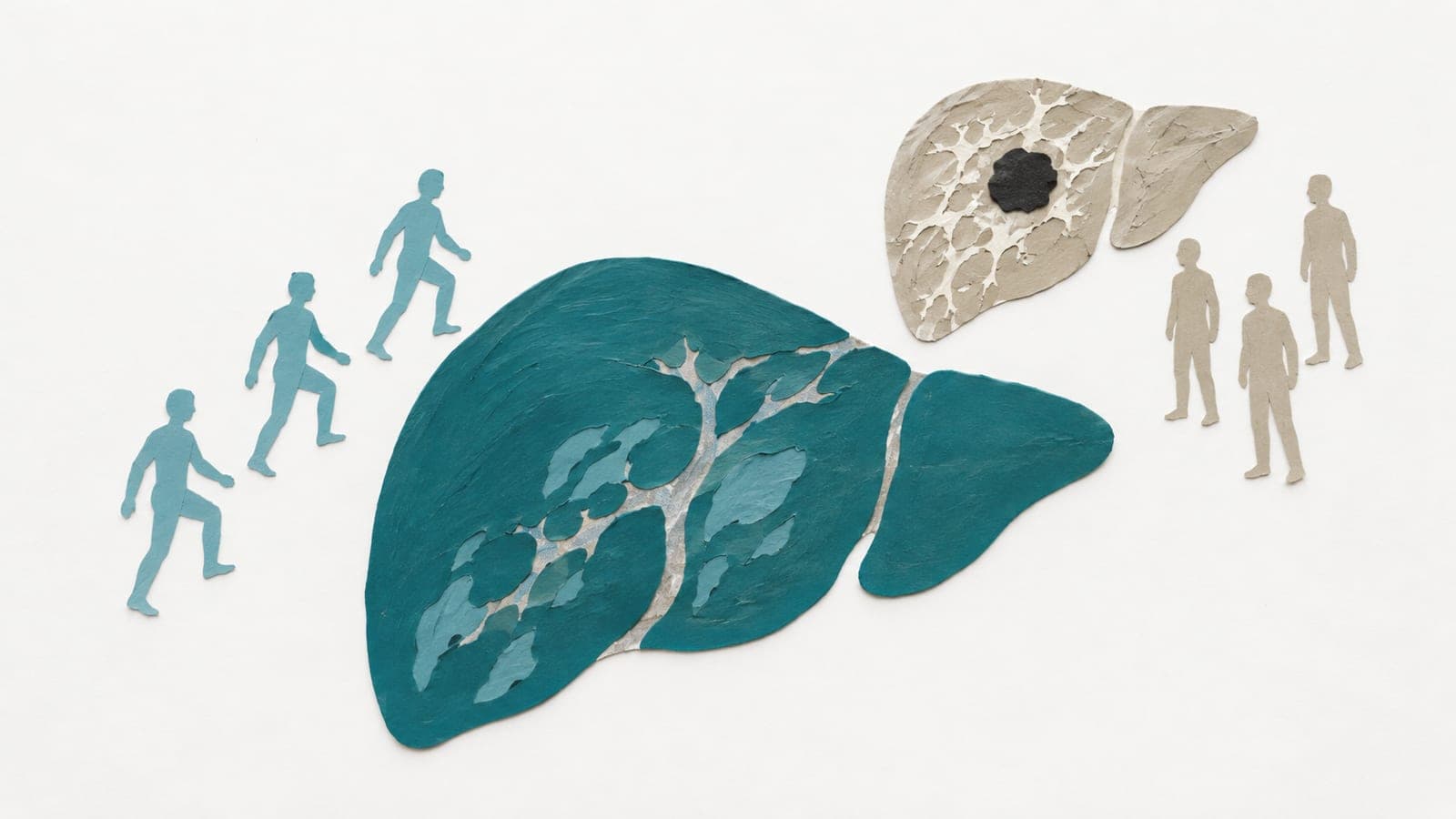
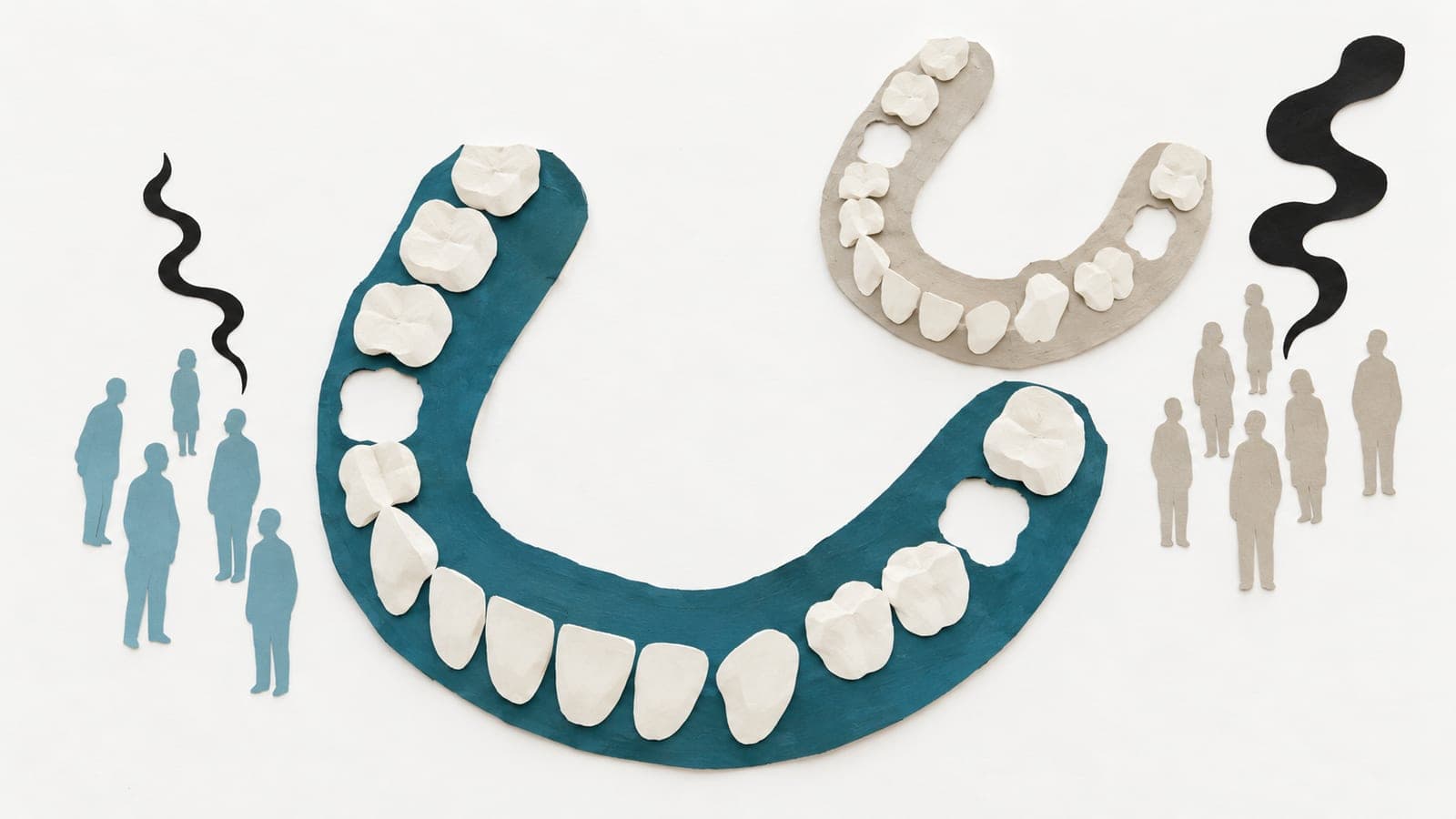
Dental disease and tooth loss linked to liver cancer
Compared with adults with more than 27 teeth, those with fewer teeth had relative risk measures ranging from 1.15 to 1.84.

Dose-response
Limit: Missing smoking and alcohol histories leave potential confounding despite adjustment for related diseases
Edited by Boris Djordjevic · AgingResearch.News
Researchers conducted a retrospective observational study of 5,893,325 adults registered in the Swedish Dental Health Register between 2009 and 2016. They used national registers to identify new cases of primary liver cancer, meaning cancer that began in the liver.
During an average follow-up of 6.36 years, 2,374 cases occurred. Tooth decay was associated with a hazard ratio of 1.15, and periodontitis, a disease of the tissues supporting teeth, with 1.25. Hazard ratios above 1 indicate a higher rate of cancer developing. Fewer remaining teeth were also associated with higher risk. The researchers adjusted for potential confounding factors. Findings were generally consistent in comparisons between siblings, which controlled for shared genetic and early-life environmental factors.
Why it matters
Liver cancer is an age-related disease. Dental health offers another possible factor to examine when studying how cancer risk develops as people age.
Caveats
This observational study cannot establish that dental disease or tooth loss caused liver cancer. Its population consisted of adults registered in Sweden’s dental health register, rather than adults everywhere.
From the paper
- Participants
In the main analyses, a total of 5,889,650 individuals were included, with males accounting for approximately half of the population (48.7%).
- Follow-up
During a mean follow-up of 6.36 years, 2374 PLC cases were identified through linkage with the Cancer Register: 1856 hepatocellular carcinoma (HCC) and 518 non-HCC PLC cases.
- Result
Both caries (hazard ratio [HR] = 1.15, 95% CI: 1.02–1.30) and periodontitis (HR = 1.25, 95% CI: 1.12–1.39) were associated with an increased risk of PLC.
- Limitation
First, because the Dental Health Register was established in 2008, dental conditions or treatments occurring before the establishment of the register may not have been captured, potentially resulting in some exposure misclassification.
Quoted word for word from the full text on onlinelibrary.wiley.com.
The paper
Clinical Oncology School of Fujian Medical University; Karolinska Institutet
Journal of Clinical Periodontology, Oct 25, 2026