Childhood segregation linked to racial gaps in heart health
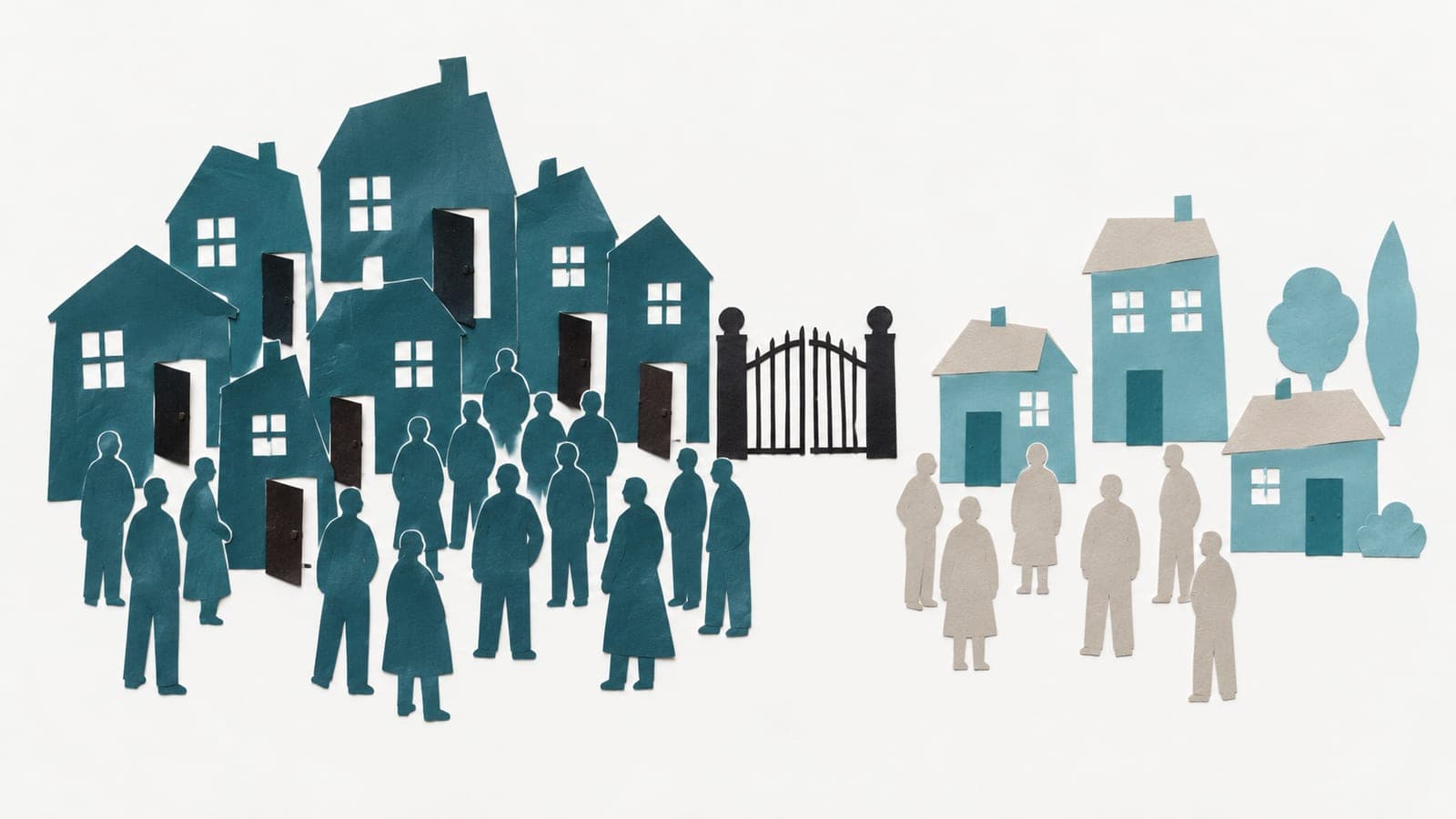
A natural experiment involving 829 Black and 1,262 White participants suggested opposite links between childhood segregation and the timing of cardiovascular disease or high blood pressure.

Limit: Railroad layouts’ ability to isolate segregation effects varied across models
Edited by Boris Djordjevic · AgingResearch.News
An observational study examined 829 Black and 1,262 White participants in the Panel Study of Income Dynamics. It assessed the onset of cardiovascular disease, which affects the heart and blood vessels, or high blood pressure. Researchers linked participants’ birthplaces to historical railroad layouts in Northern US cities and followed participants through 2023. The natural experiment used those layouts to estimate segregation’s possible effects, successively adjusting for other railroad features, socioeconomic status and birth year.
Estimates suggested that childhood residential racial segregation was linked to earlier onset of these conditions among Black participants, but later onset among White participants. Models that adjusted for other differences without using railroad layouts produced much weaker associations in the same direction.
Why it matters
Cardiovascular health inequities raise questions about how childhood environments may shape health later in life. The analysis addresses whether residential segregation may contribute to those lifelong differences.
Caveats
The natural experiment relied on railroad layouts to isolate differences in segregation exposure, and the statistical strength of this approach varied across models. The uncertainty around the estimates also varied.
The paper
Drexel University
American Journal of Epidemiology, Oct 23, 2026